
Side Dishes
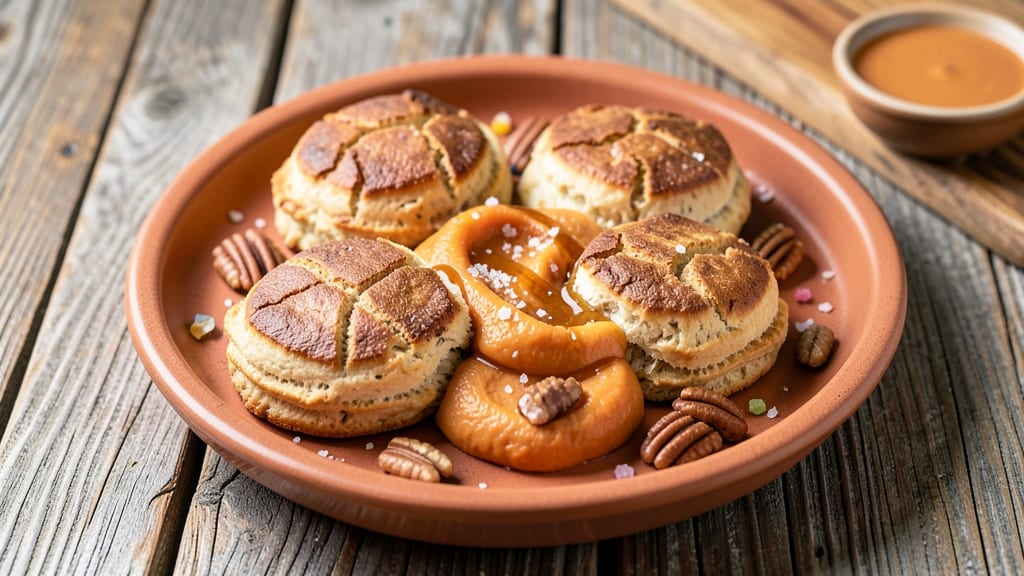
Thomas Jefferson’s sweet potato biscuits recipe brings colonial-era baking to life with layers of buttery richness and nutty sweetness. 🌟 These tender, flaky biscuits were a staple at Monticello, where Jefferson perfected the art of transforming humble ingredients into something extraordinary.
The secret lies in a simple yet precise technique that creates those signature pockets of golden-brown crispness.
What makes these biscuits special is their balance—sweet from the mashed sweet potatoes, rich from the cold butter, and just enough warmth from a pinch of baking powder. Unlike modern shortcuts, this recipe stays true to Jefferson’s methods while adapting for today’s kitchens.
The dough comes together in minutes, and the baking time is short, ensuring you won’t spend hours in the kitchen for a side dish that feels like a centerpiece.
The result is a stack of biscuits with crisp, buttery layers that melt in your mouth, each bite offering a harmonious blend of sweetness and savory depth.
Perfect for serving alongside roasted meats, hearty stews, or even as a standalone treat with honey or jam, these biscuits are a testament to how simple ingredients can create something truly memorable. Let’s bring a piece of history to your table.
Whether you’re recreating a colonial meal or simply craving a classic side dish with a twist, this recipe delivers restaurant-quality texture and flavor without the fuss.
The key is patience in the dough preparation and precision in the baking—trust the process, and you’ll end up with biscuits that taste like they’ve been simmering in tradition for centuries.
Ingredients for thomas jefferson sweet potato biscuits
Nine ingredients transform colonial tradition into buttery, nutty sweetness perfection.
| Ingredient | Amount | Notes |
|---|---|---|
| Sweet Potatoes 🍠 | 1 ½ lbs | Orange-fleshed, peeled and mashed |
| All-Purpose Flour 🌾 | 4 cups | Sifted, high protein preferred |
| Cold Unsalted Butter 🧈 | 1 cup | Cut into 1-inch cubes |
| Baking Powder 🧂 | 1 tbsp | Aluminum-free preferred |
| Granulated Sugar 🍚 | 2 tbsp | Light brown preferred |
| Diamond Crystal Kosher Salt 🧂 | 1 tsp | Fine grain preferred |
| Ground Nutmeg 🌿 | ¼ tsp | Freshly grated preferred |
| Heavy Cream 🥛 | ½ cup | Cold, full-fat preferred |
| Whole Milk 🥛 | ¼ cup | Room temperature |
The sweet potatoes are the foundation—choose firm, vibrant orange varieties like Beauregard for their natural sweetness. Whole Foods and Trader Joe's carry excellent organic options year-round, but local farmers' markets often have heirloom varieties with deeper flavor. Peel and mash them while still warm to maximize tenderness. For the flour, King Arthur Unbleached or Gold Medal create that signature flaky texture; avoid self-rising blends. The butter must be cold—cut it into uniform cubes for even distribution in the dough. Jefferson's original recipe likely used rendered pork fat, but modern adaptations rely on butter for accessibility without compromising texture.
No sweet potatoes? Yams or regular potatoes work in a pinch, though texture will differ slightly. Substitute brown sugar for white if you prefer a deeper caramel note, but reduce to 1.5 tbsp to maintain balance. For dairy-free adaptations, replace butter with vegan butter or coconut oil (though texture may vary), and use almond milk instead of heavy cream. The nutmeg is non-negotiable—it's what gives these biscuits their signature warmth. Penzeys sells premium ground nutmeg that stays potent longer than grocery store brands. For extra richness, some modern adaptations add a pinch of cinnamon, but traditionalists swear by nutmeg alone for authenticity.
Store leftover dough in the fridge for up to 3 days wrapped in parchment, or freeze shaped biscuits for 3 months. Baked biscuits keep at room temperature for 2 days in an airtight container, though they're best enjoyed fresh. For make-ahead convenience, prepare the dough up to 24 hours ahead—it actually develops better flavor when rested. Jefferson's original recipe likely used a cast-iron skillet for baking, which creates that perfect crispy bottom. If you don't have one, use a heavy baking sheet and bake at 425°F for maximum crispness.
Why You'll Love This Recipe
- Sweet Potato Magic: I swear by this trick—just mash and mix. No peeling, no grating, no fancy steps. Toss in roasted sweet potato (or even leftover mashed sweet potatoes from dinner) and you’ve got dough in 10 minutes. Honestly, the butter and sugar cut into cubes right into the flour? That’s the real hack.
- Buttery Sweet Heat: That first bite—warm, flaky layers with a hint of caramelized sweet potato? It’s like a biscuit hugged a cinnamon roll. The sugar keeps them tender, but the baking powder gives that perfect lift. (Yes, even on a Tuesday night.)
- Breakfast or Snack: These disappear faster than toast at a brunch. Serve them fresh with honey butter, or freeze half for quick toast later. My kids grab them straight from the oven—no plate needed—and they’re just as good reheated.
- Pantry Staple Power: Three ingredients you already own: flour, butter, sugar. Sweet potatoes stretch a budget, and one batch feeds six. Leftovers? Toss them in a toaster or air fryer—crispy again in minutes. This is my go-to when I’m low on time and low on groceries.
Step-by-step instructions for Jefferson-style sweet potato biscuits
Here's how to create these iconic biscuits with their signature buttery layers and nutty sweetness.
🍳 Step 1: Prepare the Sweet Potato Base
Preheat your oven to 375°F and line two baking sheets with parchment paper. Peel the 1.5 lbs sweet potatoes and cut them into 1-inch cubes. Place them on one of the prepared baking sheets and roast for 30-35 minutes until they're fork-tender and slightly caramelized around the edges.
Once roasted, transfer the sweet potatoes to a food processor or high-powered blender. Pulse until you achieve a completely smooth puree with no visible lumps. This texture is crucial for the biscuits' tender crumb. Let the puree cool completely before using—warm puree can make your dough too soft to handle properly.
👨🍳 Step 2: Create the Dough Foundation
In a large mixing bowl, combine the 4 cups all-purpose flour, 1 tbsp baking powder, 2 tbsp granulated sugar, 1 tsp diamond crystal kosher salt, and 0.25 tsp ground nutmeg. Whisk these dry ingredients together until evenly distributed—this ensures consistent leavening throughout each biscuit.
Make a well in the center of the dry ingredients and add the cooled sweet potato puree, 0.5 cup heavy cream, and 0.25 cup whole milk. Using a wooden spoon or silicone spatula, gently mix until just combined. You'll see some dry spots remain—that's intentional. Overmixing develops gluten and makes the biscuits tough instead of flaky.
🥘 Step 3: Cut and Chill the Butter
Add the 1 cup cold unsalted butter (cut into 1-inch cubes) to the dough mixture. Using your hands or a pastry cutter, work the butter into the dough until you achieve pea-sized crumbles throughout. The butter should be evenly distributed but still visible in chunks—this creates those signature layers.
Once the butter is incorporated, shape the dough into a rectangle about 1-inch thick and wrap it tightly in plastic wrap. Refrigerate for at least 30 minutes (or up to 24 hours). This chilling step is critical—it firms up the butter so it doesn't melt prematurely during baking, which would prevent those beautiful flaky layers from forming.
🔪 Step 4: Cut and Bake the Biscuits
Preheat your oven to 425°F and line another baking sheet with parchment paper. Remove the chilled dough from the refrigerator and, using a 2.5-inch round biscuit cutter, cut out biscuits. Press straight down—don't twist the cutter—as this creates tight seams that can prevent proper rising.
Place the biscuits on the prepared baking sheet, spacing them about 1 inch apart. Bake for 12-15 minutes until they're deep golden brown on top and the internal temperature reaches 190°F. The biscuits should sound hollow when tapped on the bottom. Serve warm with honey or fresh berry compote for the full Jefferson experience.
Pro Tips For Making Thomas Jefferson Sweet Potato Biscuits
- USE ROASTED POTATOES: DESCRIPTION: Skip the raw sweet potato mess—roast them first at 400°F (200°C) for 25-30 minutes until tender. Mash them while still warm so the dough stays smooth and doesn’t turn gummy. (Yes, even if you’re impatient like me, resist the urge to rush this.)
- CHILL THE DOUGH: DESCRIPTION: After mixing, let the dough rest in the fridge for at least 15 minutes—no, 30 is better. Cold butter behaves better, and the biscuits rise taller instead of spreading into sad pancakes. (I learned this the hard way after a batch of flat, sad discs.)
- CUT THROUGH THE BUTTER: DESCRIPTION: Use a pastry cutter or two forks to work the cold butter into the flour until you see pea-sized lumps—not smooth dough. Overmixing = tough biscuits. (Your future self will thank you for stopping when it looks shaggy.)
- WEIGH THE FLOUR: DESCRIPTION: Spoon the flour into a scale, not the cup—packing it changes the ratio. Too much flour = dense biscuits; too little = a sticky disaster. (I skip this when I’m lazy, but the difference is noticeable.)
Essential equipment for this dish
Must-Have Baking Tools
Start with a high-quality 9-inch cast-iron skillet—Jefferson likely baked these biscuits in one, and it creates that signature crisp bottom. I recommend a Lodge Pre-Seasoned Cast Iron Skillet for even heat distribution.
A sharp 2.5-inch round biscuit cutter is essential for clean edges; the Wilton Non-Stick Biscuit Cutter works perfectly and won’t stick to the dough. 🔥
Precision Measuring
Accurate measurements are key for tender biscuits. Use a digital kitchen scale for the sweet potatoes (aim for 1.5 lbs) and a stainless steel measuring cups set like OXO Good Grips for dry ingredients.
The baking powder and nutmeg should be measured with a spoon-and-level technique—packing them down leads to over-leavened biscuits. A fine-mesh strainer helps sift the flour evenly for consistent texture.
Dough Handling Gear
Cold butter requires sturdy tools. A pastry blender or fork works for cutting butter into dough, but I prefer using my chilled hands for better control. Wrap the dough in plastic wrap for chilling, but parchment paper is better for shaping—it prevents sticking.
A bench scraper helps divide the dough cleanly when rolling it out. For extra flakiness, some chefs use a rolling pin, but I find gentle pressing with my hands works best.
Oven Essentials
Your oven needs precise temperature control. A thermometer probe like the Thermoworks Thermapen ensures accuracy—Jefferson’s biscuits need 425°F for that golden crust. Use parchment-lined baking sheets to prevent sticking, and place them on the middle rack for even heat.
A wire cooling rack keeps biscuits crisp longer after baking, but I always serve them straight from the skillet for maximum buttery goodness.
Optional Upgrades
For a cast-iron skillet, a heat-resistant glove protects your hands when transferring hot biscuits. A digital timer prevents overbaking—these biscuits are ready when golden in 12-15 minutes. For storage, airtight containers like Rubbermaid Brilliance keep them fresh for days.
And if you’re feeling fancy, a pastry brush helps brush melted butter on top after baking for extra richness. 💫
Nutrition facts
Frequently asked questions
Why does the recipe use roasted sweet potatoes instead of raw?
Roasting caramelizes the sweet potatoes, deepening their natural sweetness and creating a smoother puree that blends seamlessly into the dough. This method also prevents the dough from becoming too wet—raw sweet potatoes release excess moisture that can make biscuits gummy. The roasting time ensures perfect tenderness without sacrificing texture.
Can I make these biscuits without butter?
While butter creates the signature flaky layers, you can substitute with 1 cup cold coconut oil or vegan butter for a dairy-free version. The texture will be slightly denser, but the nutty sweetness remains. For extra richness, chill the dough longer (up to 4 hours) to compensate for the lack of butter's melt resistance.
How do I fix biscuits that turned out flat or dense?
Flat biscuits usually mean the butter melted too soon—ensure your dough chills for the full 30 minutes before cutting. Dense biscuits likely came from overmixing or too much flour. For next time, handle the dough gently and use a kitchen scale for precise measurements. The baking powder should also be fresh—old leavening loses potency.
What's the best way to reheat leftover biscuits?
For crispy texture, reheat in a 350°F oven for 5-7 minutes wrapped in foil. For soft biscuits, use the microwave for 15-20 seconds—but they won't be as flaky. The key is speed—reheat only until warmed through to preserve the layers. Avoid steam methods like toaster ovens, which can make them soggy.
Can I add cheese or herbs to these biscuits?
While traditional, you can experiment with sharp cheddar (add 1 cup shredded to the dough) or fresh herbs like thyme. However, these biscuits rely on their delicate balance—too many additions can overpower the sweet potato flavor. If using cheese, reduce the milk by 2 tablespoons to maintain proper texture.