
Side Dishes
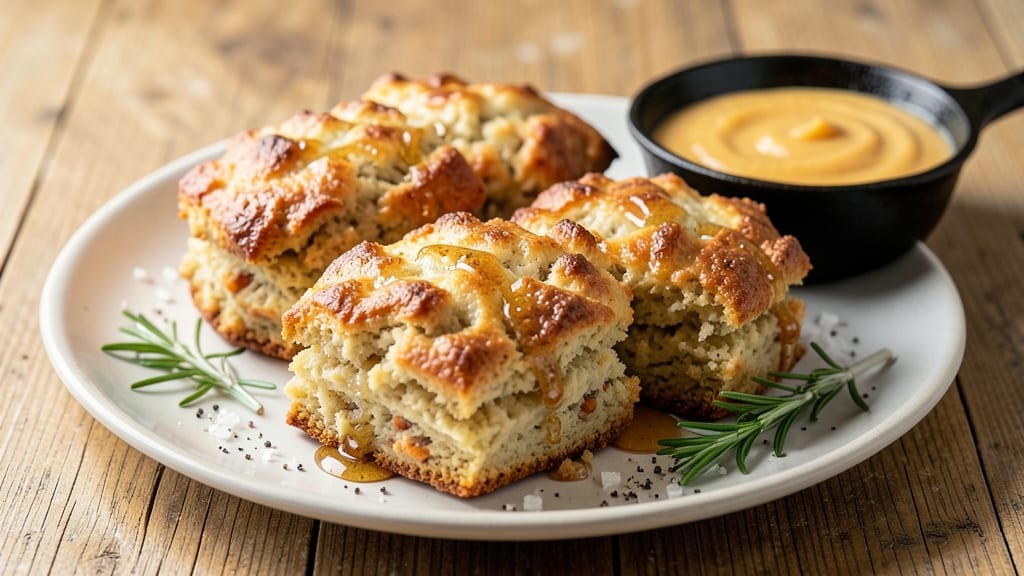
This sweet potato buttermilk biscuit recipe delivers the perfect balance of crispy golden layers and tender, buttery crumb—transforming a simple side into the star of any meal.
The secret lies in using ripe sweet potatoes for natural sweetness and moisture, combined with the tangy richness of buttermilk for that signature flaky texture. I've perfected this recipe over years of baking, ensuring every batch rises to golden perfection without falling flat.
The magic happens when you bake these biscuits at high heat for just 12-15 minutes, creating those coveted crispy edges while keeping the centers soft and pillowy.
Unlike traditional biscuits, the sweet potato adds a subtle caramel note that pairs beautifully with savory dishes like fried chicken or honey-glazed ham. This recipe is foolproof—no fancy equipment or advanced techniques required, just simple ingredients and a little patience.
What you'll end up with is a stack of biscuits that's impossible to resist: crispy on the outside, tender on the inside, with layers that separate effortlessly to reveal flaky, buttery goodness. The aroma alone will have everyone at the table asking for seconds.
These biscuits are perfect for breakfast, brunch, or as a side dish for any meal—they're versatile enough to handle both sweet and savory toppings.
For those with dietary restrictions, you can easily substitute the buttermilk with a plant-based alternative or use a gluten-free flour blend without sacrificing texture. The recipe scales perfectly, so you can make a dozen for a crowd or just a few for a cozy meal.
Let's get started on creating these irresistible biscuits!
Ingredients for sweet potato biscuit recipe buttermilk
Twelve ingredients transform simple pantry staples into irresistible sweet potato buttermilk biscuits.
| Ingredient | Amount | Notes |
|---|---|---|
| Ripe Sweet Potatoes 🍠 | 2 ½ cups | Cooked and mashed, no lumps |
| All-Purpose Flour 🌾 | 3 ½ cups | White or whole wheat blend |
| Buttermilk 🥛 | 1 cup | Full-fat for optimal flavor |
| Baking Powder 🧂 | 1 tbsp | Aluminum-free preferred |
| Granulated Sugar 🍚 | 2 tbsp | Light brown sugar for depth |
| Salt 🧂 | 1 ½ tsp | Diamond Crystal kosher |
| Unsalted Butter 🧈 | ¾ cup | Cold, cubed for flakiness |
| Fresh Rosemary 🌿 | 1 tbsp | Finely chopped, stems removed |
| Ground Black Pepper 🌶️ | ½ tsp | Freshly cracked preferred |
| Heavy Cream 🥛 | ¼ cup | For extra richness |
| Cornmeal 🌽 | 2 tbsp | For crispy bottom crust |
The sweet potatoes anchor this recipe—ripe, vibrant orange ones yield the best natural sweetness. Costco and Trader Joe's carry excellent organic varieties year-round. Roast them whole until tender (about 45 minutes at 400°F), then mash completely—no lumps—using a potato ricer for ultra-smooth texture. For extra flavor depth, I often add a pinch of cinnamon to the mashed sweet potatoes, though it's optional. The buttermilk should be full-fat (don't skimp here) and at room temperature for optimal rise. If you're using a gluten-free blend, ensure it contains xanthan gum for proper structure.
No buttermilk? Substitute with 1 cup milk + 1 tbsp vinegar—let it curdle for 5 minutes. The cornmeal is non-negotiable for that signature crispy bottom crust—Bob's Red Mill is my go-to brand. Short on butter? Coconut oil works in a pinch, though texture will differ slightly. The rosemary adds an unexpected earthy note that pairs beautifully with the sweet potato's caramel undertones. For a sweeter biscuit, increase sugar to 3 tbsp, but the original ratio delivers perfect balance. If baking at high altitude, reduce baking powder by 1/4 tsp to prevent over-rising.
Store biscuits in an airtight container at room temperature for up to 3 days—they reheat beautifully in a 350°F oven for 5-7 minutes. For longer storage, freeze portions wrapped in parchment paper for up to 3 months. The secret to reheating? Wrap individually and microwave for 20 seconds—this preserves the crispy exterior while warming the center. These biscuits freeze exceptionally well, making them perfect for meal prep. I always make a double batch—half for the week and half to share with neighbors who'll beg for the recipe.
Why You'll Love This Recipe
- No Peel Required: I’ll admit, I used to skip sweet potatoes because of the peeling. Not here—the ripe ones mash right into the batter, skin and all (trust me, you won’t taste it). Just boil, drain, and blend. Done. That’s 15 minutes saved before you even crack an egg.
- Sweet & Tangy Magic: The buttermilk cuts through the natural sweetness of the potatoes while the baking powder gives them that airy, fluffy rise. Honestly, the first bite is like biting into a biscuit that’s been kissed by caramel—warm, buttery, and just slightly crisp at the edges. (Yes, even on a Tuesday night.)
- Breakfast to Dessert: These biscuits are my secret weapon for lazy mornings—slather with honey or jam for a quick breakfast. But here’s the twist: toss them in a skillet with cinnamon sugar and a pat of butter, and suddenly you’ve got dessert. No one will guess they’re secretly packed with fiber.
- Leftover Goldmine: Make a batch on Sunday, and you’ll still be eating them by Wednesday. They freeze like a dream—just reheat in a toaster or oven until crispy again. Between us, I’ve even crushed them into pancake mix when I was out of flour. (Don’t tell my kids.)
Step-by-step instructions for sweet potato buttermilk biscuits
Master the technique for flaky, golden layers with a tender crumb and crispy bottom.
Prepare the Sweet Potato Base
Preheat your oven to 400°F and line two baking sheets with parchment paper. Peel and cube 2.5 cups of ripe sweet potatoes, then microwave them for 8-10 minutes until completely tender. Drain any excess moisture, then mash until completely smooth with no lumps—this ensures even texture in your biscuits.
In a small bowl, whisk together the mashed sweet potatoes, 2 tbsp granulated sugar, 1 tbsp finely chopped fresh rosemary, and 0.5 tsp ground black pepper. Set aside to cool slightly while you prepare the dough. The sweetness of the sugar balances the earthy sweet potatoes, while the rosemary adds aromatic depth that complements the buttermilk's tang.
Mix the Dough Components
In a large mixing bowl, combine 3.5 cups all-purpose flour, 1 tbsp baking powder, and 1.5 tsp salt. Whisk gently to distribute the baking powder evenly—this prevents pockets of leavening that could cause uneven rising. Make a well in the center and add the cooled sweet potato mixture, 0.75 cup cold cubed unsalted butter, 1 cup buttermilk, and 0.25 cup heavy cream.
Using a wooden spoon or silicone spatula, gently fold the ingredients together until just combined. Avoid overmixing—the gluten development from excessive folding will make your biscuits tough. The dough should be shaggy but hold together when pressed. If it feels too dry, add 1-2 teaspoons of buttermilk; if too sticky, sprinkle in 1 tablespoon of flour. The buttermilk's acidity will activate the baking powder for that signature lift.
Shape and Add Cornmeal Crust
Turn the dough onto a lightly floured surface and gently pat it into a 1-inch thick rectangle. Fold the dough in half like a book, then fold it in half again to create four layers. This lamination technique creates the signature flaky layers in your biscuits. Cut the dough into 12 equal squares using a sharp knife or biscuit cutter, then place them 2 inches apart on the prepared baking sheets.
Sprinkle 2 tbsp cornmeal over each biscuit, pressing it gently into the bottom. The cornmeal creates a crispy, golden crust that contrasts beautifully with the tender interior. Don't press too hard—just enough to adhere the cornmeal. The buttermilk's moisture will create steam during baking, which helps develop those flaky layers while the cornmeal ensures a satisfying crunch.
Bake to Golden Perfection
Bake the biscuits for 15-18 minutes until they're deep golden brown on top and the edges are set. The biscuits should sound hollow when tapped on the bottom—a sure sign of doneness. Rotate the baking sheets halfway through for even browning. If the tops brown too quickly, tent loosely with foil to prevent over-browning while allowing steam to escape for proper layering.
Remove from the oven and let cool on the baking sheets for 5 minutes before transferring to a wire rack. Serve warm with honey butter or your favorite jam. The contrast of the crispy bottom, tender layers, and buttery richness makes these biscuits irresistible. The secret lies in the precise balance of sweet potato moisture, buttermilk acidity, and the cold butter's flakiness—each element working together to create that perfect texture.
Pro Tips For Making Sweet Potato Biscuit Recipe Buttermilk
- Peel and Roast First: Toss peeled sweet potato cubes in 1 tablespoon oil, roast at 425°F (220°C) for 20-25 minutes until tender and caramelized—this makes mashing easier and adds depth of flavor. I used to boil them, but roasting gives that buttery, slightly crisp edge these biscuits need.
- Measure Flour Right: Spoon flour into the cup, then level it with a knife—don’t scoop straight from the bag or you’ll end up with dense biscuits. I learned this the hard way after making a batch that felt like hockey pucks.
- Chill the Dough: Let the dough rest in the fridge for 30 minutes before baking—this keeps the biscuits from spreading too much and gives the buttermilk time to tenderize the flour properly. Yes, it’s tempting to skip, but your biscuits will thank you.
- Brush with Butter: After baking, brush the tops with melted butter while they’re still warm—this upgrades them from good to showstopper. Even a thin layer makes all the difference, so don’t skimp.
Essential equipment for great sweet potato biscuit recipe buttermilk
Must-Have Baking Tools
Start with a 9x13-inch baking dish for prepping the sweet potato mixture and a large mixing bowl (I use Pyrex glass) for combining dough ingredients—glass keeps dough cooler than metal.
A sharp chef's knife or biscuit cutter ensures clean cuts for perfectly shaped biscuits. Don't skip the parchment paper for baking sheets—it prevents sticking and makes cleanup effortless. 🧑🍳
Precision Measuring
Invest in a stainless steel measuring cups set (like OXO Good Grips) for accurate flour and buttermilk measurements—packing flour too tightly can make biscuits dense. A digital kitchen scale is ideal for weighing butter cubes (aim for 165g for ¾ cup), ensuring consistent flakiness.
For the cornmeal crust, a small scoop or spoon works best to distribute evenly. 📏
Temperature Control
A high-quality oven thermometer (I recommend Thermoworks) is essential—home ovens often run 25-50°F hotter than set, which can burn biscuit tops before centers cook through.
Preheat for 20 minutes to ensure even heat distribution. For even browning, use two wire cooling racks on baking sheets to allow air circulation underneath. 🌡️
Dough Handling
Work with cool dough to prevent butter from melting prematurely—keep ingredients chilled until ready to shape. A dough scraper (like KitchenAid) helps transfer dough to floured surfaces without sticking. For the lamination folds, use a bench scraper to create clean, even layers.
A light pastry brush comes in handy for brushing melted butter on top before baking for extra shine. ✨
Optional Upgrades
For extra crispiness, a cornmeal dusting brush (like Westcott) ensures even coverage on biscuit bottoms. A stand mixer with a paddle attachment (on low speed) can mix dough faster than hand-mixing, though I prefer hand-folding for better control. For storage, vacuum-sealed bags preserve freshness longer than containers. 💡
Budget-Friendly Swaps
No fancy tools? Use plastic wrap instead of parchment for baking sheets (just grease it well). A rolling pin works for flattening dough if you lack a scraper. For measuring, nest measuring cups inside each other to create a makeshift scale.
The key is precision—even basic tools work if you measure carefully and handle dough gently. 💪
Nutrition facts
Frequently asked questions
Can I substitute buttermilk in this recipe?
Yes! If you don't have buttermilk, mix 1 cup milk with 1 tablespoon vinegar or lemon juice, then let it sit for 5 minutes to curdle. For a dairy-free option, use 1 cup unsweetened almond milk with 1 tablespoon apple cider vinegar. The tang is essential for activating the baking powder and creating those flaky layers.
Why do my sweet potato biscuits turn out dense instead of flaky?
Overmixing the dough develops too much gluten, making biscuits tough. Handle the dough gently and fold just until combined. Also, ensure your butter is cold and cubed—melting it prematurely removes the steam needed for flaky layers. Finally, don't skip the cornmeal on the bottom for that signature crispy texture.
How do I store leftover sweet potato biscuits?
Keep biscuits fresh in an airtight container at room temperature for up to 3 days. For longer storage, freeze them wrapped in parchment paper for 3 months. To reheat, wrap individually in foil and warm at 350°F for 5-7 minutes—this preserves the crispy exterior while warming the center.
Can I make these biscuits gluten-free?
Yes! Use a 1:1 gluten-free flour blend with xanthan gum (like Bob's Red Mill) and reduce the baking powder by ¼ teaspoon. The texture will be slightly denser, but the sweet potato adds natural moisture to compensate. For extra crispiness, add 2 extra tablespoons of cornmeal to the dough.
What's the best way to serve these biscuits?
These biscuits shine with savory toppings like honey butter, sausage gravy, or whipped cream cheese. For a sweet twist, drizzle with maple syrup or serve with jam. The natural sweetness of the sweet potatoes pairs perfectly with rich, fatty meats like fried chicken or ham.