
Side Dishes
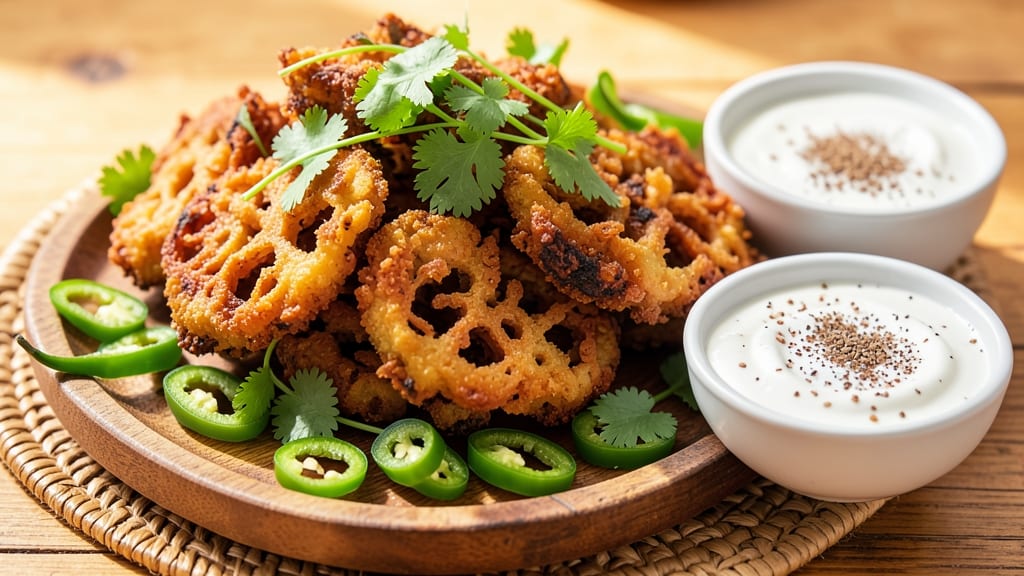
This sweet potato pakora recipe delivers crispy, golden bites with a fragrant spice blend that transforms humble sweet potatoes into irresistible appetizers. The secret lies in a light chickpea flour batter infused with cumin, coriander, and turmeric—just enough to coat without overwhelming the natural sweetness.
I've perfected the double-frying technique that ensures every piece stays delightfully crispy, not soggy, while keeping the oil mess to a minimum with these precise shaping methods.
The batter comes together in minutes using pantry staples: chickpea flour, yogurt, and a pinch of baking soda for that signature lightness. You'll work with freshly grated sweet potatoes (never pre-cooked—they release too much moisture), shaping them into neat, compact balls that fry up evenly.
What makes this version special is the balance of spices—warm cumin, earthy coriander, and a hint of asafoetida for that authentic Indian restaurant flavor without the aftertaste.
By the time you're done, you'll have a plate of golden-brown pakoras with crackling edges and tender interiors, their aroma filling your kitchen with the scent of freshly fried spices.
The key to presentation is serving them immediately with tamarind chutney or mint yogurt sauce—each bite delivers that perfect contrast of crispy exterior and soft center. This recipe makes 20-25 pakoras, perfect for sharing or meal prep, though they're impossible to resist fresh from the fryer.
For those concerned about oil splatter, I've included a foolproof technique using a deep pot with minimal oil that still achieves that restaurant-quality crispiness. The same method works for other vegetables like onions or cauliflower, making this your go-to crispy appetizer for any occasion.
Let's get started with this zero-fuss, high-impact recipe that proves homemade can taste better than takeout.
Ingredients for sweet potato pakora
Pantry staples plus a few fresh ingredients for crispy, fragrant sweet potato pakoras.
| Ingredient | Amount | Notes |
|---|---|---|
| Medium Sweet Potatoes 🍠 | 2 lbs | Freshly grated, no moisture |
| Chickpea Flour 🥜 | 1 ½ cups | Also called besan, sifted |
| Plain Yogurt 🍶 | ½ cup | Full-fat for best texture |
| Green Chilies 🌶️ | 4 whole | Fresh, finely chopped |
| Fresh Cilantro 🌿 | ¼ cup | Stems removed, chopped |
| Ground Cumin 🌿 | 1 ½ tsp | Toasted for deeper flavor |
| Ground Coriander 🌿 | 1 tsp | Freshly ground preferred |
| Turmeric Powder 🌶️ | ½ tsp | Bright yellow color |
| Asafoetida Powder 🌿 | ¼ tsp | Also called hing |
| Baking Soda 🧂 | ½ tsp | For lightness, not baking powder |
| Salt 🧂 | 1 tsp | Kosher or sea salt |
| Vegetable Oil 🫒 | 2 cups | High smoke point preferred |
| Lemon Juice 🍋 | 1 tbsp | Freshly squeezed |
The sweet potatoes are non-negotiable—orange-fleshed varieties like Jewel or Beauregard work best. Grab them from the produce section, not the pre-peeled bagged kind (they're often waxed and won't grate properly). Whole Foods or local markets usually carry the freshest tubers. Skip the microwave—grate them by hand while still warm from the oven (microwaving releases too much moisture). For the chickpea flour, Bob's Red Mill is my go-to brand—it's finely ground and stays fresh longer. Store it in the freezer to prevent rancidity, which happens fast in hot kitchens.
No fresh cilantro? Dried cilantro works at half the amount, but it lacks that bright freshness. Green chilies too spicy? Remove seeds and membranes before chopping. The yogurt should be thick—if it's runny, strain it through a cheesecloth for 10 minutes. For the oil, avocado or sunflower oil works better than olive (lower smoke point). The asafoetida might be tricky to find—Indian grocery stores carry it in tiny packets, or look for 'hing' online. If you can't find it, skip it entirely—the dish will still be delicious.
Grated sweet potatoes keep for 3 days in the fridge if stored in a sealed container with a paper towel to absorb moisture. The batter should be used within 4 hours of mixing—it thickens as it sits. For frying, keep the oil at 350°F and use a deep pot with high sides to minimize splatter. Leftover pakoras? Freeze them on a tray first, then transfer to a bag—they reheat beautifully in the air fryer at 375°F for 3-4 minutes.
Why You'll Love This Recipe
- I swear by this trick: just grate the sweet potatoes raw—no boiling, no peeling, no fuss. The yogurt batter clings perfectly, and the flour mixture stays thick enough to hold its shape without extra effort.
- No-Cook Prep: I swear by this trick: just grate the sweet potatoes raw—no boiling, no peeling, no fuss. The yogurt batter clings perfectly, and the flour mixture stays thick enough to hold its shape without extra effort.
- Crispy-Creamy Magic: That first bite? Golden, shatteringly crisp on the outside, then soft and sweet inside. The green chilies add a bright kick, while the cilantro keeps it fresh—like a hug for your taste buds.
- Party in a Bowl: Between us, these are my secret weapon for game day or unexpected guests. Serve them with mint chutney and you’ve got a full spread without the stress. (Yes, even on a Tuesday night.)
Step-by-step instructions for sweet potato pakora
Here's how to make crispy, golden pakora with no oil splatter—just follow these simple steps.
Grate the Sweet Potatoes and Prepare the Batter
Peel the 2 lbs medium sweet potatoes and grate them using a box grater or food processor. I like to use a fine grater to get uniform shreds—this ensures even cooking and maximum crispiness. Transfer the grated sweet potatoes to a clean kitchen towel and press out all excess moisture. You want the mixture to be dry enough to hold its shape when shaped into pakora.
In a large mixing bowl, combine the 1.5 cups chickpea flour, 0.5 cup plain yogurt, 1.5 tsp ground cumin, 1 tsp ground coriander, 0.5 tsp turmeric powder, 0.25 tsp asafoetida powder, 0.5 tsp baking soda, and 1 tsp salt. Mix these dry ingredients thoroughly to create a smooth batter. The baking soda is key here—it helps the pakora puff up and stay light. Add the squeezed sweet potatoes to the batter and mix gently until just combined. The batter should be thick but moldable—if it's too wet, add a little more chickpea flour.
Shape the Pakora and Heat the Oil
Take small portions of the batter—about 1 tablespoon each—and shape them into smooth, round balls. I press them gently between my palms to form neat, even-sized pakora. Place them on a plate and let them rest for 5 minutes to firm up slightly. This resting time helps them hold their shape better when frying.
Heat 2 cups vegetable oil in a deep, heavy-bottomed pan over medium heat. The oil should reach 350°F—use a thermometer to check this, as too-high heat will burn the pakora before they cook through. If you don’t have a thermometer, test the oil by dropping a small piece of batter in—it should sizzle steadily and float to the surface within 10 seconds. This is the perfect temperature for crispy, golden pakora.
Fry the Pakora to Golden Perfection
Carefully slide 4-5 pakora into the hot oil at a time, being gentle to avoid splashing. Fry them for 3-4 minutes on medium heat, turning occasionally, until they turn a deep golden brown. The pakora should puff up slightly and develop crispy, crackly edges—this is your cue that they're nearly done. If they brown too quickly, reduce the heat slightly to prevent burning.
Use a slotted spoon to remove the pakora and drain them on a paper towel-lined plate. I like to sprinkle them with 1 tbsp lemon juice right after frying—this adds a bright, tangy finish that cuts through the richness of the fried pakora. Keep the oil at 350°F for the next batch, adding more pakora in batches to avoid overcrowding the pan.
Serve Warm with Fresh Cilantro and Chili
Once all the pakora are fried and drained, transfer them to a serving platter. Sprinkle with the 0.25 cup chopped fresh cilantro and the remaining finely chopped green chilies for a fresh, herby kick. The pakora should be crispy on the outside and tender on the inside—if they feel too soft, they need a little more frying time next batch.
Serve immediately with your favorite chutney or mint-coriander sauce. These pakora are best enjoyed hot, straight from the fryer, when the batter is still crisp and the flavors are at their peak. Store any leftovers in an airtight container, but I promise you won’t have many leftovers—they disappear fast!
Pro Tips For Making Sweet Potato Pakora
- Boil Sweet Potatoes First: I learned this the hard way—raw chunks in the batter make a mushy, uneven mess. Parboil the sweet potatoes until fork-tender (about 8-10 minutes), then cool completely before grating. The texture stays firm, and the pakoras hold together like they should.
- Grind Chilies Coarse: Skip the food processor for green chilies—chop them roughly by hand. A fine paste burns easily and overpowers the dish. Big, uneven pieces distribute heat better and keep the flavor balanced without making your mouth blaze.
- Drain Yogurt Thoroughly: This isn’t the prettiest method, but it’s the tastiest: after mixing yogurt into the batter, let it sit for 20 minutes, then strain out excess liquid through a fine sieve. Too much moisture = soggy pakoras. (Yes, even if you’re impatient like me.)
- Fry in Small Batches: Crowding the pan drops the oil temperature fast, and your pakoras turn greasy instead of crisp. Work in batches of 4-5, and resist the urge to double-dip—once the edges are golden, they’re done. Overcooking = rubbery centers.
Troubleshooting great sweet potato pakora
Batter Too Wet?
If your batter feels sticky or clings to your hands, it needs more chickpea flour. Start by adding 1 tablespoon at a time until the mixture holds its shape when pressed.
Too much moisture causes soggy pakoras—always press grated sweet potatoes in a clean towel to remove excess liquid. For extra insurance, chill the batter for 15 minutes before shaping. 🧂
Oil Too Hot?
Burnt pakoras mean your oil is too hot. Keep it at a steady 350°F—use a thermometer for accuracy. If you don’t have one, test with a small batter piece: it should sizzle gently and float up in 10 seconds.
Lower the heat if it browns too fast. A deep pot with high sides also minimizes splatter and helps maintain even temperature.
Pakora Falling Apart?
This happens when the batter isn’t firm enough. Let shaped pakoras rest for 5-10 minutes before frying—they’ll firm up and hold together better. If they still crumble, add ½ tsp more baking soda to the batter (but don’t exceed 1 tsp total).
Overmixing also weakens the structure, so mix just until combined.
Uneven Cooking?
Uneven pakoras often mean inconsistent oil temperature or overcrowding. Fry in batches of 4-5 pieces max and keep oil at 350°F between batches. Smaller pakoras cook faster—shape them uniformly by weighing portions (1 tbsp each). If edges brown too quickly, reduce heat slightly to 325°F for even cooking.
Leftover Oil Smell?
After frying, strain the oil through a fine-mesh sieve into a clean jar. Store in a cool, dark place for up to 1 month—it’s perfect for future pakoras or other fried dishes.
For extra freshness, add 1 bay leaf while storing. Never reuse oil that smells rancid or develops a dark color.
Pakoras Too Dry?
If your pakoras lack moisture, the oil may have been too hot or they were fried too long. Aim for 3-4 minutes per batch at 350°F. For extra tenderness, add 1 tbsp water to the batter (but not too much—it should still hold shape).
Serve immediately with a side of yogurt sauce to restore juiciness. 💫
Nutrition facts
Frequently asked questions
Can I use regular potatoes instead of sweet potatoes?
Regular potatoes won't work as well—they're too starchy and lack the natural sweetness that balances the spiced batter. Sweet potatoes give pakoras their signature flavor and texture. If you're desperate, try a mix of 70% sweet potato and 30% regular potato, but expect less crispiness and a different taste profile.
How do I make pakoras less oily?
Use a deep pot with minimal oil (2 cups max) and maintain it at 350°F—never overcrowd the pan. Drain pakoras on a wire rack instead of paper towels to remove excess oil. For extra crispiness without oiliness, try the double-fry method: fry once at 325°F for 2 minutes, then finish at 375°F for 1 minute.
What's the best way to store leftover pakoras?
Cool completely, then store in an airtight container for 2 days at room temperature. For longer storage, freeze them on a tray first (to prevent sticking), then transfer to a bag for up to 1 month. Reheat in an air fryer at 375°F for 3-4 minutes—they'll taste almost as good as fresh!
Can I make pakoras without deep-frying?
Yes! For a healthier version, bake at 400°F for 12-15 minutes on a wire rack (not a tray) until golden. Brush with a little oil first for crispiness. The texture won't be identical, but it's a great alternative. Air fryers also work well at 375°F for 8-10 minutes, turning halfway.
Why do my pakoras turn out dense instead of crispy?
This usually happens from overmixing the batter or using too much moisture. Press grated sweet potatoes thoroughly to remove excess liquid, and mix just until combined. For extra crispiness, add ½ tsp baking soda (but don't exceed 1 tsp total) and shape pakoras firmly—don't pack them too tightly when forming.