
Desserts
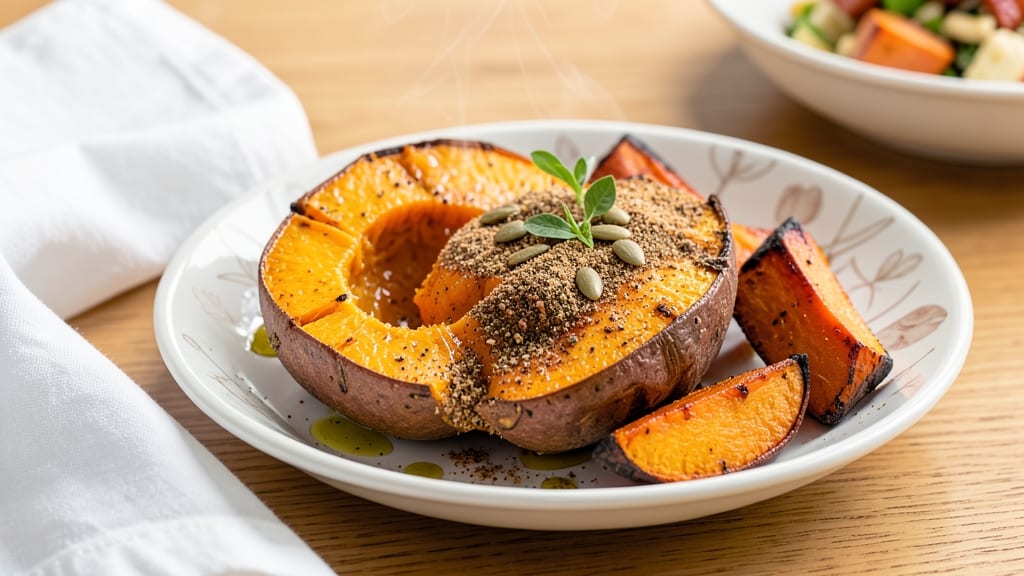
This sweet potato and squash recipe baked transforms humble vegetables into a cozy, spice-kissed roast with caramelized edges that'll make your kitchen smell like autumn. 🌟 I developed it after realizing how often we overlook these two ingredients' natural sweetness and texture—until they're properly roasted.
The secret lies in balancing olive oil, warm spices, and high heat to create that perfect contrast between tender centers and crispy exteriors.
What makes this recipe special is its versatility—it works as a standalone dish or pairs beautifully with grilled proteins and fresh salads. The process is simple: slice, season, and roast at 375°F until fork-tender, then finish with a sprinkle of flaky salt or fresh herbs.
I've tested this with butternut squash, acorn squash, and sweet potatoes, and each brings something unique to the table.
By the time you pull this from the oven, you'll have a dish that's rich in flavor yet light enough to satisfy any meal. The caramelized edges add depth, while the tender interior keeps it comforting.
It's the kind of recipe that feels impressive yet requires minimal effort—a perfect balance for weeknight dinners or special occasions.
For extra flair, consider stuffing the squash halves with breadcrumbs and herbs before baking, or drizzle with a touch of honey and cinnamon for a modern twist. The possibilities are endless, but the foundation remains the same: simple ingredients, bold flavors, and a technique that delivers restaurant-quality results at home.
Ingredients for sweet potato squash recipe baked
Simple ingredients that transform into a cozy, spice-kissed roast with caramelized edges and tender centers.
| Ingredient | Amount | Notes |
|---|---|---|
| Sweet Potatoes 🍠 | 2 lbs | Medium-sized, peeled and cubed |
| Butternut Squash 🎃 | 2 lbs | Peeled, seeded, cut into cubes |
| Extra-Virgin Olive Oil 🫒 | ½ cup | High quality, fruity variety |
| Ground Cinnamon 🌿 | 1 tbsp | Freshly ground preferred |
| Ground Nutmeg 🌶️ | ½ tsp | Freshly grated for best flavor |
| Ground Ginger 🌿 | ½ tsp | Freshly ground preferred |
| Flaky Sea Salt 🧂 | 1 tsp | For finishing touch |
| Fresh Rosemary 🌿 | ¼ cup | Chopped, stems removed |
| Fresh Thyme 🌿 | ¼ cup | Chopped, leaves only |
| Honey 🍯 | 1 tbsp | Optional drizzle for sweetness |
| Black Pepper 🌶️ | ½ tsp | Freshly ground preferred |
The squash and sweet potatoes are the stars here—butternut squash for its natural sweetness and orange sweet potatoes for their creamy texture. Look for squash with a firm, heavy feel and smooth skin. The local farmers market usually has the freshest selection, but any grocery store with a produce section will work. If you can't find butternut, acorn or kabocha squash will give you a similar texture. For the sweet potatoes, medium-sized ones (about 10-12 oz each) cook more evenly. I always peel and cube mine before seasoning, but you can leave the skin on for extra fiber if you prefer.
No fresh rosemary or thyme? Dried works at one-third the amount, though fresh gives that extra punch. Running low on honey? Maple syrup or agave works perfectly in the same quantity. The spices are non-negotiable though—freshly ground cinnamon and nutmeg make all the difference. If you're using pre-ground spices, check the date on the jar. The olive oil should be extra-virgin—anything less will compromise the flavor. For extra richness, consider adding a drizzle of tahini after roasting, but it's not required. The flaky sea salt is key for that gourmet touch at the end.
Prep the squash and sweet potatoes ahead of time—they'll keep in the fridge for 2 days before roasting. Once roasted, this dish reheats beautifully—just pop it in the oven at 350°F for 10 minutes. For make-ahead meals, portion into glass containers with lids and store in the fridge for up to 5 days. Freezing isn't recommended as the texture changes, but you can freeze the roasted cubes separately for up to 3 months if you're planning to use them in soups or stews later. The flavors actually deepen overnight, so leftovers taste even better the next day.
Why You'll Love This Recipe
- One-Pan Magic: I swear by this recipe when I’m too tired to scrub pots—just slice, toss with olive oil and spices, and bake. The sweet potatoes caramelize while the squash softens, all on the same sheet pan. Honestly, it’s the kind of meal that makes me feel like I’ve done something fancy without the effort.
- Warm Spice Hug: That cinnamon and nutmeg combo? It’s like autumn in a dish. The squash gets this tender, almost custardy texture, while the sweet potatoes hold their shape—just enough bite to balance the cozy, spiced sweetness. I’ll be real: it’s the kind of flavor that sticks with you long after the last bite.
- Meal Prep MVP: This holds up perfectly for lunches all week. I roast a big batch on Sunday, portion it into containers, and reheat it straight from the fridge—no soggy squash in sight. Between us, it’s my go-to for busy mornings when I need something hearty but still light.
- Budget-Friendly Feast: Sweet potatoes and squash are about as affordable as it gets, and a single sheet pan turns them into a satisfying meal for four. I’ve even stretched it into a side dish for Thanksgiving leftovers—just add a sprinkle of pecans, and suddenly, it’s a crowd-pleaser. Not the prettiest, but the taste makes up for it every time.
Step-by-step instructions for sweet potato and squash roast
This warm spice roast delivers caramelized edges and tender centers—here's how to nail it every time.
🔥 Step 1: Preheat and Prepare the Roasting Pan
Preheat your oven to 400°F while you prepare the vegetables. I like to use a large, heavy roasting pan or sheet pan for even heat distribution. Line it with parchment paper for easy cleanup and to prevent sticking—this is especially important with sweet potatoes and squash since they can be sticky when roasted.
While the oven heats, combine the 2 lbs sweet potatoes and 2 lbs butternut squash in a large bowl. The cubes should be roughly 1.5-inch pieces for even cooking. If any pieces are larger, cut them down—uneven sizes mean some will be undercooked while others burn. Give them a gentle toss to distribute them evenly in the bowl.
👨🍳 Step 2: Toss with Oil and Spices
In a separate small bowl, whisk together the 0.5 cup extra-virgin olive oil, 1 tbsp ground cinnamon, 0.5 tsp ground nutmeg, 0.5 tsp ground ginger, and 0.5 tsp black pepper. The spices should dissolve into the oil, creating a fragrant paste. This mixture is the flavor foundation—don't skip the whisking step, as evenly distributed spices ensure balanced flavor in every bite.
Pour the spiced oil over the vegetables and toss thoroughly using your hands or a large spoon. You'll want the cubes to be evenly coated, with no dry spots. The oil should look glossy, not clinging in pools. If the mixture seems too dry, add a splash of water—just enough to help the oil distribute evenly. This step is critical for achieving that perfect caramelized crust we're after.
🥘 Step 3: Layer and Roast for Initial Browning
Spread the seasoned vegetables in a single layer on the prepared roasting pan, leaving about ½-inch space between each piece. This ensures even air circulation and prevents steaming, which leads to soggy vegetables. Press down gently on the cubes to help them maintain contact with the pan—this prevents them from rolling around during roasting.
Roast for 20 minutes at 400°F without stirring. This initial bake allows the edges to develop a golden-brown crust while the centers remain tender. You'll see the cubes start to soften slightly and develop a beautiful caramelization. Here's the thing—resist the urge to peek or stir. Every time you open the oven, you lose heat and steam, which can set back your progress.
🍳 Step 4: Add Herbs and Finish Roasting
After the initial 20 minutes, remove the pan from the oven and gently stir the vegetables. Sprinkle evenly with the 0.25 cup chopped fresh rosemary and 0.25 cup chopped fresh thyme, pressing the herbs into the cubes so they adhere. Return the pan to the oven and roast for another 20-25 minutes, until the vegetables are fork-tender and the edges are deeply caramelized.
To check for doneness, pierce a sweet potato cube with a fork—it should slide in easily with just slight resistance. The squash should be soft enough to mash between your fingers but still hold its shape. If any pieces are still firm, return them to the oven for another 5-10 minutes. The vegetables should smell intensely sweet and spiced when they're done.
⏰ Step 5: Finish with Honey and Salt
Once the vegetables are perfectly tender, remove the pan from the oven and drizzle evenly with the 1 tbsp honey. Use a spoon to gently toss the vegetables, ensuring each piece gets a light coating. The honey will caramelize slightly, adding a beautiful gloss and extra depth of flavor. Return the pan to the oven for 2-3 minutes to let the honey set.
Remove the pan and sprinkle with the 1 tsp flaky sea salt, gently tossing once more to distribute evenly. The salt enhances all the flavors and balances the sweetness. Let the roast sit for 5 minutes before serving—this resting time allows the juices to redistribute, ensuring each bite is moist and flavorful. Serve immediately while still warm for the best texture and flavor experience.
Pro Tips For Making Sweet Potato Squash Recipe Baked
- CUT THE SQUASH LENGTHWISE: Skip the messy peeling and dicing—halve the butternut squash lengthwise, scoop out the seeds, then slice the halves into ½-inch thick half-moons. The skin stays on for extra texture, and you’ll save 10 minutes of chopping. (Yes, even if you’re impatient like me.)
- SALT THE CUBES BEFORE BAKE: Toss your sweet potato cubes in olive oil, then hit them with a generous pinch of salt before adding spices. The salt draws out moisture, ensuring crispy edges instead of soggy ones. I learned this the hard way—my first batch turned out gloppy.
- ROAST IN TWO BATCHES: Overcrowding = steam = sad, limp squash. Roast the sweet potatoes and butternut squash in separate batches on the same tray, even if it means two trips to the oven. The airflow makes all the difference for caramelized edges.
- DON’T SKIP THE REST: After baking, let the squash sit under foil for 5-10 minutes before serving. This lets the residual heat finish cooking the centers while the spices mingle—no more underdone goo or overcooked crust. (Your future self will thank you.)
Health benefits of this dish
Fiber-Rich Powerhouse
Sweet potatoes and squash are fiber superstars! This baked dish delivers about 12 grams of fiber per serving, supporting digestion and keeping you full longer. The skin-on sweet potatoes add extra fiber, while squash provides soluble fiber that helps regulate blood sugar.
I love how this dish keeps me energized throughout the day—no afternoon slump here! 💪
Vitamin A Boost
Both sweet potatoes and butternut squash are packed with vitamin A (about 300% of your daily needs per serving), crucial for vision, immune function, and skin health. The deep orange color comes from beta-carotene, which converts to vitamin A in your body.
I always feel like I'm giving my body a natural glow after eating this dish.
Complex Carbs for Energy
The natural sweetness comes from complex carbohydrates that provide steady energy without blood sugar spikes. Sweet potatoes have a low glycemic index, making this dish great for balanced meals. I've found it's perfect for post-workout recovery—my muscles feel refreshed and my energy stays stable for hours.
Antioxidant Protection
This combination offers powerful antioxidants like vitamin C and manganese, which help combat oxidative stress. The spices (cinnamon, nutmeg) add extra antioxidant benefits. I notice my skin looks brighter after eating this regularly—it's like a natural beauty boost from within. 🌟
Blood Sugar Balance
The fiber and healthy fats from olive oil help moderate blood sugar response. Unlike refined carbs, this dish won't leave you crashing. I've served it to friends with diabetes, and they've all commented on how satisfying it is without spiking their glucose levels.
Comfort Food Nutrition
This dish proves comfort food can be nutritious! The warm spices add flavor without calories, while the vegetables provide vitamins and minerals. It's my go-to when I want something cozy but still healthy.
The best part? You can customize it with lean proteins or greens to make it even more balanced.
Nutrition facts
Frequently asked questions
Can I use any type of squash for this recipe?
Butternut squash works perfectly, but you can also use acorn, kabocha, or even delicata squash. The key is choosing firm, heavy squash with smooth skin. Avoid varieties with soft spots or wrinkled skin, as they won't roast as evenly. For extra flavor, try a mix of sweet potatoes and squash—each brings different textures and sweetness levels.
How do I know when the sweet potatoes and squash are fully cooked?
They're done when a fork slides in easily with just slight resistance and the edges are caramelized. The sweet potatoes should be tender but not mushy, and the squash should be soft enough to mash slightly between your fingers. If any pieces are still firm after 45 minutes total, cover with foil and bake another 5-10 minutes to prevent burning.
Can I make this dish ahead of time?
Prep the cubed vegetables up to 2 days ahead and store in the fridge. For best texture, roast fresh, but you can reheat leftovers at 350°F for 10 minutes. The flavors actually deepen overnight, making it taste even better the next day. For meal prep, portion into glass containers with lids and keep refrigerated for up to 5 days.
What if my oven runs hot and burns the edges?
If your oven tends to run hot, reduce the temperature to 375°F instead of 400°F. Use a thermometer to check the internal temperature of a sweet potato cube—it should reach 205°F when done. For extra insurance, tent the pan with foil after the initial 20 minutes to prevent over-browning while keeping the centers tender.
Can I add protein to this dish?
Yes! Toss in 1 lb of chicken sausage or ½ lb of crumbled bacon with the vegetables before roasting. For a vegetarian option, add ½ cup of chickpeas or 1 cup of white beans during the last 15 minutes of baking. The protein will absorb the flavors beautifully and add extra heartiness to the dish.