
Side Dishes
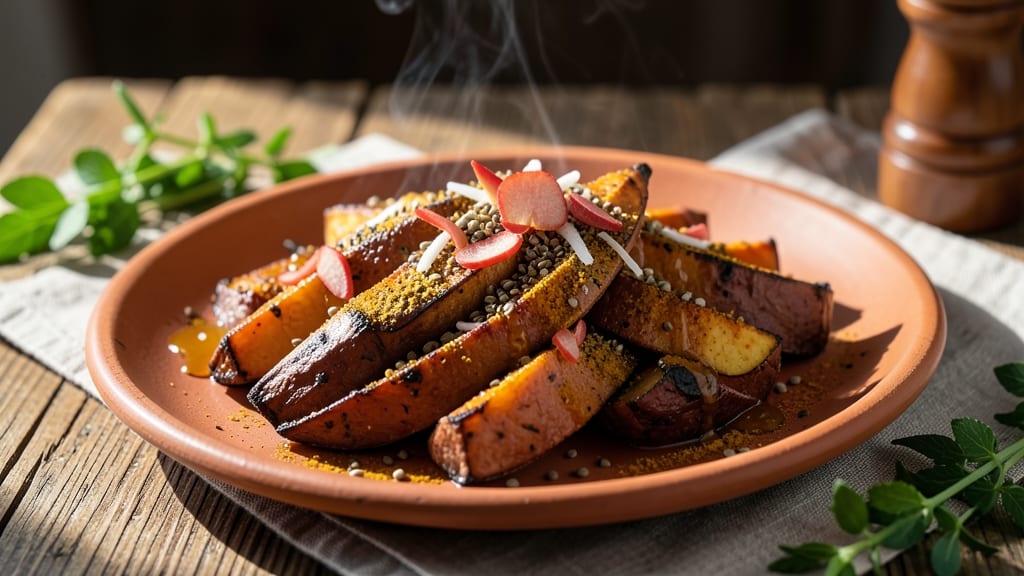
This Ayurvedic sweet potato recipe transforms humble root vegetables into a deeply nourishing, warmly spiced side that supports digestion and balances your body’s natural rhythms. The secret lies in traditional spices like turmeric, cumin, and ginger—each chosen for their healing properties and ability to harmonize with sweet potatoes’ earthy sweetness.
I developed this dish after years of studying Ayurvedic principles, and it’s become a staple in my kitchen for its simplicity and profound benefits.
The preparation is straightforward yet intentional: sweet potatoes are roasted until tender and caramelized, then gently infused with a blend of warming spices that enhance their natural sweetness without overpowering it. This method preserves the vegetables’ nutrients while creating a dish that’s both comforting and restorative.
The spices don’t just add flavor—they work synergistically to support digestion, reduce inflammation, and promote warmth in the body, aligning with Ayurveda’s core philosophy of balance.
What you’ll end up with is a dish that’s rich in color, aroma, and texture—golden-brown sweet potatoes with crispy edges and a velvety interior, all coated in a fragrant spice rub.
The result is a side that pairs beautifully with lentils, rice, or even as a standalone meal when served with a dollop of yogurt or a sprinkle of fresh cilantro.
It’s the kind of dish that feels both luxurious and deeply grounding, perfect for colder months or whenever you need a dose of warmth and nourishment.
This recipe isn’t just about taste—it’s about how food interacts with your body. The spices used here are carefully selected to balance the sweet potatoes’ natural properties, making it a dish that nourishes both body and mind.
Whether you’re new to Ayurveda or a seasoned practitioner, this recipe offers a delicious way to incorporate these principles into your meals. Let’s get started on creating something truly nourishing.
Ingredients for ayurvedic sweet potato
Warm spices, earthy sweetness, and digestive harmony—just twelve ingredients transform simple sweet potatoes into Ayurvedic nourishment.
| Ingredient | Amount | Notes |
|---|---|---|
| Organic Sweet Potatoes 🍠 | 2 lbs | Medium-sized, skin-on for texture |
| Extra-Virgin Coconut Oil 🫒 | 2 tbsp | Melted for roasting |
| Turmeric Powder 🌿 | 1 tbsp | Freshly ground preferred |
| Ground Cumin 🌿 | 1 tsp | Toasted for deeper flavor |
| Fresh Ginger 🧄 | 1 tbsp | Grated, organic preferred |
| Ground Coriander 🌿 | 1 tsp | Freshly ground for brightness |
| Fennel Seeds 🌿 | ½ tsp | Toasted lightly for warmth |
| Asafoetida Powder 🌿 | ¼ tsp | Optional, for digestive aid |
| Himalayan Pink Salt 🧂 | ½ tsp | Coarse grain preferred |
| Fresh Cilantro 🌿 | ¼ cup | Chopped, for garnish |
| Plain Greek Yogurt 🥛 | ¼ cup | Unsweetened, for serving |
| Organic Coconut Milk 🥥 | 2 tbsp | For finishing drizzle |
The sweet potatoes are the foundation—organic, medium-sized with skins intact for that perfect crispy texture. I always source mine from local organic farms or the produce section at Whole Foods when I can’t find them fresh. Look for vibrant orange flesh and firm skin; those are your cues for freshness. The spices are where the magic happens: turmeric for its anti-inflammatory properties, cumin for digestion, and fennel seeds to balance the earthiness. Penzeys or the bulk spice section at Trader Joe’s are my go-tos for high-quality, authentic spices. If you can’t find asafoetida (hing), it’s optional but adds that signature Ayurvedic depth—spice markets often carry it. Toast your whole spices lightly before grinding to unlock their full potential.
No fresh ginger? Powdered ginger works at half the amount, though fresh is ideal for that bright zing. Running out of coconut oil? Olive oil or ghee are both excellent substitutes—they won’t alter the Ayurvedic benefits. The yogurt should be plain and unsweetened—flavored versions can throw off the balance. For the coconut milk drizzle, full-fat canned coconut milk gives the best texture, but light works in a pinch. If you’re avoiding dairy, cashew cream is a fantastic swap. The cilantro is purely for freshness—skip it if you’re not a fan, but I find it brightens the dish beautifully. And trust me on the Himalayan salt—it adds a subtle mineral note that complements the spices perfectly.
Roast the sweet potatoes at 400°F until tender but still holding their shape—about 35-40 minutes. They’ll caramelize beautifully, so don’t rush it. Store leftovers in an airtight container for up to 5 days in the fridge, though they’re best enjoyed fresh. For meal prep, portion into glass containers—they reheat beautifully in the microwave or oven. The spices lose potency over time, so toast fresh fennel and cumin seeds before each use if you’re storing the spice blend separately. This dish keeps its warmth and nourishing qualities for 3 days in the fridge, making it perfect for batch cooking during colder months.
Why You'll Love This Recipe
- One-Pan Magic: I swear by this recipe when I’m too tired to scrub pots—just slice those sweet potatoes, toss them in coconut oil, and let the spices do the work. The turmeric and cumin caramelize into a golden crust while you’re still chopping the ginger.
- Earthy Warmth Explosion: That first bite of crispy edges melting into tender, spiced flesh? It’s like a hug in food. The ginger adds a bright kick, while the coconut oil keeps it rich without being heavy—honestly, it’s the kind of flavor that lingers long after the plate’s empty.
- Meal Prep Hero: Between us, this is my go-to for busy mornings. Roast a big batch on Sunday, and I’ve got lunch covered all week—pack it cold for work or reheat it in minutes. The cumin stays fragrant even after days, and the sweet potatoes hold up like champs.
- Budget-Busting Comfort: Sweet potatoes are my pantry’s secret weapon—cheap, filling, and packed with nutrients. A single bag feeds my family for days, and the spices cost pennies. Plus, using coconut oil instead of butter cuts costs without sacrificing that golden, aromatic finish.
Step-by-step instructions for Ayurvedic sweet potato roast
Here's how to transform simple sweet potatoes into a vibrant, warming dish that balances flavors and supports digestion.
Prepare and Roast the Sweet Potatoes
Preheat your oven to 400°F and line a large baking sheet with parchment paper. Peel the 2 lbs organic sweet potatoes and cut them into 1-inch chunks, keeping the skin on for texture if preferred. Toss the sweet potato chunks with 2 tablespoons extra-virgin coconut oil until evenly coated.
Spread the sweet potatoes in a single layer on the prepared baking sheet, ensuring they don't overlap. Roast for 25-30 minutes until the edges are golden brown and a knife slides in easily. You'll know they're perfect when they're tender but still hold their shape—overcooking leads to dryness, which we're avoiding here.
Create the Ayurvedic Spice Blend
While the sweet potatoes roast, combine 1 tablespoon turmeric powder, 1 teaspoon ground cumin, 1 teaspoon ground coriander, 0.5 teaspoon fennel seeds, and 0.25 teaspoon asafoetida powder in a small bowl. Toast the fennel seeds lightly in a dry skillet for 1 minute until fragrant, then grind them with a mortar and pestle or coffee grinder to release their full aroma.
Add 1 tablespoon freshly grated ginger and 0.5 teaspoon Himalayan pink salt to the spice blend. Mix well to combine all ingredients thoroughly. This blend is the heart of the Ayurvedic profile—turmeric for anti-inflammatory benefits, cumin for digestion, coriander for cooling properties, and fennel to aid in comfort.
Infuse the Roasted Sweet Potatoes
Remove the roasted sweet potatoes from the oven and transfer them to a large mixing bowl. Sprinkle the spice blend evenly over the warm potatoes, tossing gently to coat each piece thoroughly. The residual heat from the roasting will help the spices adhere and infuse into the sweet potatoes.
Let the spiced sweet potatoes sit for 5 minutes while you prepare the yogurt topping. This brief resting period allows the flavors to meld together, creating a cohesive and aromatic dish. The warmth of the potatoes also helps activate the digestive properties of the spices.
Prepare the Yogurt and Garnish
In a small bowl, combine 0.25 cup plain Greek yogurt with 2 tablespoons organic coconut milk. Whisk until smooth and creamy. The yogurt adds a cooling element to balance the warm spices, while the coconut milk enhances the richness and ties the dish together.
Transfer the spiced sweet potatoes to a serving platter and drizzle the yogurt mixture evenly over the top. Garnish with 0.25 cup chopped fresh cilantro for a pop of color and freshness. The cilantro not only adds visual appeal but also brings a bright, citrusy note that complements the earthy sweet potatoes.
Serve Warm for Digestive Comfort
Serve the Ayurvedic sweet potato roast immediately while still warm. The combination of roasted sweet potatoes, aromatic spices, and cooling yogurt creates a harmonious balance that supports digestion and warms the body from within.
Each bite should offer a delightful contrast of textures—soft yet slightly crispy sweet potatoes, infused with earthy spices and topped with a smooth, creamy yogurt drizzle. For an extra touch, you can serve with a side of steamed greens or a simple salad to round out the meal.
Pro Tips For Making Ayurvedic Sweet Potato
- Peel After Cooking: Sweet potatoes are stubborn about peeling raw—you’ll waste time and skin half the flesh. Roast or boil them whole first, then slip off the peel like a glove. (Yes, even the organic ones—those skins come off easier when warm.)
- Bloom the Spices: Toss your cumin and turmeric into the coconut oil before adding the ginger, and let them sizzle for 30 seconds. That’s when the real magic happens—the spices wake up and flavor the oil instead of just hiding in the mix.
- Grate Ginger Fine: No food processor? Use a microplane and scrape the ginger directly into the oil while it’s hot. Lumpy ginger just sits there; fresh, fine grates dissolve into the fat and infuse every bite. (Skip the juicing—you don’t want a watery mess.)
- Check for Doneness: Pierce the sweet potato with a fork—if it slides in like butter, it’s done. Overcooked ones turn to mush, and undercooked ones taste raw. (Pro move: Roast at 400°F for 40 minutes, then broil 5 minutes if you’re impatient.)
Regional styles of this ayurvedic sweet potato
Indian Ayurvedic Style
In India, sweet potatoes are often roasted with a blend of turmeric, cumin, and coriander, then served with moong dal (yellow lentils) or brown rice to balance the meal. I love adding roasted cumin seeds directly to the oil before tossing the sweet potatoes for extra depth.
Garnish with toasted sesame seeds instead of cilantro for a more traditional touch. 🌶️
Japanese Washoku Approach
Japanese Ayurvedic-inspired versions focus on miso and ginger for umami warmth. Toss the roasted sweet potatoes with 1 tablespoon white miso paste and 1 teaspoon grated yuzu zest (or lemon if unavailable) before serving.
Pair with steamed bok choy and a side of pickled ginger for a refreshing contrast. The miso adds a subtle fermented richness that complements the sweetness beautifully.
Caribbean-Inspired Twist
For a tropical variation, swap the spices for allspice, cinnamon, and nutmeg, then finish with a drizzle of coconut cream instead of yogurt. Add diced pineapple to the yogurt mixture for a sweet-tangy balance.
Serve with grilled plantains or black beans for a hearty meal. This version is perfect for warm weather and adds a vibrant, fruity note to the dish.
Middle Eastern Adaptation
Inspired by Middle Eastern flavors, this version uses za’atar, sumac, and cardamom instead of the traditional Ayurvedic blend. Toss the roasted sweet potatoes with 1 tablespoon za’atar and 1 teaspoon sumac for a tangy, earthy kick.
Top with crumbled feta cheese (or vegan feta) and a sprinkle of toasted pine nuts. Serve with hummus or tabbouleh for a complete meal. The za’atar adds a unique, herby complexity that pairs wonderfully with the sweet potatoes.
Mexican-Inspired Balance
For a Mexican-inspired take, use smoked paprika, cumin, and a pinch of cayenne in the spice blend. Finish with a drizzle of avocado crema (blend avocado with yogurt and lime) and chopped cilantro.
Serve with black beans and warm corn tortillas for a satisfying, balanced meal. The smoky notes from the paprika add a delicious twist to the classic Ayurvedic flavors.
Nutrition facts
Frequently asked questions
Can I use regular potatoes instead of sweet potatoes in this Ayurvedic recipe?
While you can substitute regular potatoes, sweet potatoes bring unique benefits to this Ayurvedic dish. Their natural sweetness pairs perfectly with the warming spices, and they contain more fiber, vitamin A, and antioxidants that support digestion—a key focus of Ayurveda. For best results, stick with sweet potatoes, but if needed, Yukon Golds work as a milder alternative.
How do I adjust this recipe for Vata, Pitta, or Kapha doshas?
This recipe naturally balances all doshas, but you can tweak it further: For Vata, add more warming spices like black pepper and cinnamon. For Pitta, reduce ginger slightly and add cooling coconut milk. For Kapha, include more cumin and a pinch of cayenne to stimulate digestion. The yogurt topping helps balance all constitutions by adding cooling properties.
What's the best way to reheat leftovers without drying them out?
Reheat in a 350°F oven for 10-15 minutes with a splash of water or coconut milk to maintain moisture. Avoid microwaving directly as it can make them rubbery. For extra richness, drizzle with a little ghee before reheating. Leftovers keep well in an airtight container for 5 days in the fridge.
Are there gluten-free or grain-free options for serving?
Serve with cauliflower rice or quinoa instead of traditional grains. For protein, pair with chickpeas or tofu lightly sautéed with turmeric. The dish remains naturally gluten-free and can be made grain-free by omitting all grain-based sides. The yogurt topping is also typically dairy-free if using coconut yogurt.
Why does my spice blend taste weaker than expected?
Freshly toasted and ground spices make all the difference! Always toast whole spices like cumin and fennel seeds for 1 minute before grinding to release their oils. Store your spice blend in an airtight container away from light and heat—ground spices lose potency in 3-6 months. For extra strength, add a pinch of freshly grated ginger or a dash of asafoetida powder.