
Side Dishes
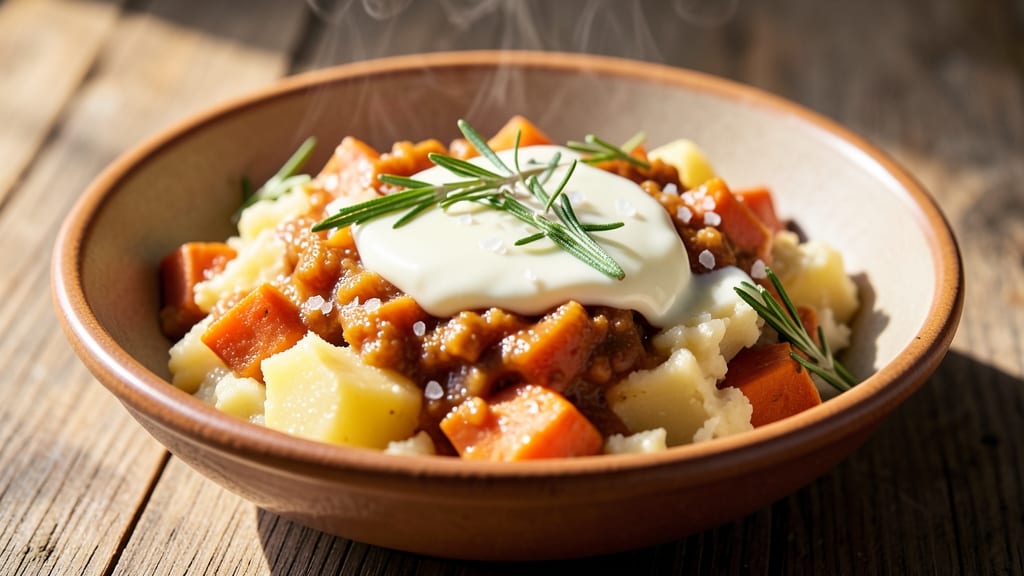
This sweet potato and white potato mash recipe transforms humble tubers into a velvety, nutty side dish that steals every meal. The secret lies in balancing their textures—sweet potatoes add natural sweetness and creaminess, while white potatoes bring sturdy, buttery structure.
I’ve perfected this technique over years of holiday tables, where it’s become the star of the spread without stealing the spotlight from the main dish.
The process is straightforward but precise: peeling and boiling the potatoes separately ensures even cooking, while mashing them together creates a harmonious blend of flavors. A touch of butter and warm milk elevates the mash to restaurant-quality richness, and optional herbs like rosemary or thyme add depth.
Whether you’re serving it alongside roasted meats or as a hearty vegetarian main, this mash delivers comfort in every forkful.
What sets this recipe apart is its adaptability—roast the potatoes for a deeper flavor, or keep them boiled for a lighter texture. Add garlic or a sprinkle of smoked paprika for extra warmth, or keep it classic with just salt and pepper.
The result is always the same: a smooth, creamy, and satisfying mash that pairs perfectly with almost any dish.
Ready in under 45 minutes, this recipe is ideal for busy weeknights or special occasions. The key is patience—letting the potatoes cook until tender ensures a silky finish, while gentle mashing preserves that velvety consistency.
Serve immediately for the best texture, or reheat with a splash of milk to restore its creaminess.
Ingredients for sweet potato and white potato mash
Balanced textures and rich flavors start with these 11 simple ingredients—perfect for holiday tables or weeknight comfort.
| Ingredient | Amount | Notes |
|---|---|---|
| Sweet Potatoes 🍠 | 3 lb | Peeled, cut into 2-inch chunks |
| White Potatoes (Yukon Gold or Russet) 🥔 | 2 lb | Peeled, cut into 2-inch chunks |
| Unsalted Butter 🧈 | ¾ cup | Cold, cut into small cubes |
| Whole Milk 🥛 | ½ cup | Warm, not hot |
| Salt 🧂 | 1 ½ tsp | Diamond Crystal kosher salt |
| Fresh Rosemary 🌿 | 2 tsp | Chopped, or 1 tsp dried |
| Fresh Thyme 🌿 | 1 tsp | Chopped, or 0.5 tsp dried |
| Garlic Cloves 🧄 | 2 cloves | Minced, optional for warmth |
| Smoked Paprika 🌶️ | ½ tsp | Optional for depth |
| White Pepper 🌶️ | ¼ tsp | Freshly ground preferred |
| Heavy Cream 🥛 | ¼ cup | Optional for extra richness |
The potatoes are the foundation, so choose firm, unblemished tubers. Sweet potatoes should be vibrant orange with no soft spots, while white potatoes like Yukon Gold or Russet hold their shape beautifully. Whole Foods or local farmers markets often carry the freshest selection, but any reputable grocery store will work. For the best texture, peel them right before boiling—oxidation starts immediately. If you're short on time, pre-cut frozen potatoes (like those from Trader Joe's) save steps, though fresh always tastes superior. The key is even-sized chunks for consistent cooking.
No fresh rosemary? Dried works at one-third the amount, but fresh gives that bright, piney aroma. The garlic is optional but adds warmth—roast it first for a sweeter flavor if you're feeling fancy. Smoked paprika brings depth without overpowering, while white pepper keeps the color pristine. For extra creaminess, substitute half the milk with warm heavy cream. If you're making this ahead, reheat with a splash of milk to restore moisture. The butter should be cold when added—this prevents the mash from turning greasy.
Store any leftovers in an airtight container for up to 3 days in the fridge. For longer storage, freeze portions in small containers—thaw overnight in the fridge and reheat with a splash of milk. The texture changes slightly when reheated, but it’s still delicious. This mash reheats beautifully, so plan ahead for leftovers—it’s always better the next day as flavors meld. For a restaurant-quality finish, garnish with extra butter and fresh herbs right before serving.
Why You'll Love This Recipe
- Here’s what sold me: the sweet potatoes add that natural caramel sweetness, while the Yukon Golds keep it bright and fluffy. A splash of warm milk and a knob of butter turns it from "side dish" to "main event" faster than you can say "seconds, please."
- I’ll be real: sweet potatoes and Yukon Golds are affordable, but this combo maximizes them. A single bag of each feeds my family for days, and the milk and butter are pantry staples. Plus, the sweet potatoes’ natural sweetness cuts the cost of needing extra seasonings—just salt and butter do the trick.
Step-by-step instructions for sweet potato and white potato mash
Master this dual-potato mash with perfect texture and layered flavors.
Parboil the Potatoes Until Tender
Place the peeled, 2-inch chunks of sweet potatoes and white potatoes in separate large pots. Cover each with cold water by about 2 inches and add 1 teaspoon of salt to each pot. Bring both to a boil over medium-high heat. Once boiling, reduce heat to medium and cook the sweet potatoes for 12-15 minutes and the white potatoes for 10-12 minutes until a knife slides in easily.
The sweet potatoes take longer because their dense flesh requires more time to break down. I like to test them first—they should be fork-tender but still hold their shape slightly. The white potatoes should be completely soft with no resistance when pierced. Drain both thoroughly in a colander, shaking to remove excess water.
Roast Aromatics for Depth of Flavor
While the potatoes cook, preheat your oven to 375°F. In a small bowl, combine the minced garlic cloves, 2 teaspoons of chopped fresh rosemary, 1 teaspoon of chopped fresh thyme, 0.5 teaspoon of smoked paprika, and 0.25 teaspoon of white pepper. Spread this mixture evenly on a parchment-lined baking sheet.
Roast for 8-10 minutes until the garlic is fragrant and the herbs are just beginning to darken around the edges. This step develops their flavors without burning them. Remove from the oven and let cool for 2 minutes—the aromatics will release their oils as they cool, intensifying their impact on the mash.
Mash with Butter and Warm Milk
Return the drained sweet potatoes to their pot and add the cold, cubed unsalted butter (all 0.75 cup). Using a potato masher or ricer, mash until smooth but with some slight texture—this prevents the mash from becoming gluey. Transfer to a large mixing bowl and set aside.
In the same pot, add the white potatoes and mash them similarly with the remaining 0.25 cup of heavy cream (if using) and 0.5 cup of warm whole milk. The cream adds luxurious richness, but the milk alone still creates a velvety texture. Stir in the roasted garlic and herb mixture, then fold everything together gently with a spatula.
Season and Adjust for Perfect Creaminess
Add the remaining 0.5 teaspoon of salt and taste. The mash should be rich but not overly salty—adjust with additional salt if needed. If the mash feels too thick, whisk in 1-2 tablespoons of warm milk to reach your desired consistency. For extra smoothness, press the mash through a fine-mesh sieve to remove any remaining lumps.
This is where the magic happens—the combination of sweet potatoes' natural sweetness and white potatoes' fluffy texture creates a harmonious mash. The roasted aromatics add a subtle earthy warmth that elevates this classic dish beyond ordinary mashed potatoes. Serve immediately while warm, garnished with additional fresh herbs if desired.
Pro Tips For Making Sweet Potato And White Potato Mash
- PEEL AFTER COOKING: Sweet potatoes and Yukon Golds oxidize fast once cut, turning your mash grayish before it even hits the pot. I used to peel them raw, but now I boil them in their skins—peel and chop only after they’re tender. The flesh stays vibrant, and you’ll save 10 minutes of scrubbing stubborn skins later.
- BOIL UNTIL FORK-TENDER: Undercooked potatoes? Gritty mash. Overcooked? Gluey mess. Test doneness by piercing with a fork—both sweet and white potatoes should slide in like butter. If they’re still firm, add 5 more minutes. No guessing, just results.
- SALT THE WATER LIKE THE OCEAN: Skip this, and your mash will taste bland no matter how much butter you add. Use 1 tablespoon salt per 4 quarts of water—yes, even if you’re using unsalted butter later. The potatoes absorb flavor while cooking, and you’ll taste the difference in every bite.
- MASH IN BATCHES WITH HOT MILK: Dumping cold milk into hot potatoes makes for a watery, uneven texture. Instead, heat the milk separately, then mash half the potatoes first, then fold in the warm milk before adding the rest. The starch absorbs better, and you avoid that sad, soupy consistency. (And yes, use a potato masher—forks make it gummy.)
Best sauces and condiments for this recipe
Classic Brown Butter
Brown the 0.75 cup unsalted butter in a skillet over medium heat until it turns golden and smells nutty (about 5-7 minutes). This adds a deep, caramelized flavor that pairs beautifully with the mash.
I like to add 1 minced garlic clove to the melted butter for an extra layer of aroma before mixing it into the potatoes. 🔥
Garlic-Herb Gravy
Use the leftover roasted garlic and herbs from the mash to make a quick gravy. Sauté 1 tbsp all-purpose flour in 1 tbsp butter over medium heat for 1 minute, then whisk in 1 cup warm milk and the roasted aromatics.
Simmer until thickened, then pour over the mash for extra richness. This turns your side dish into a main-event centerpiece.
Spicy Honey Drizzle
For a sweet-and-spicy twist, whisk together 2 tbsp honey, 1 tbsp hot honey (or ½ tsp cayenne mixed with honey), and 1 tsp lemon juice. Drizzle over the mash just before serving.
The heat balances the sweetness of the potatoes while adding a bright, tangy finish. I love this drizzle for holiday gatherings when guests crave something unexpected. 🌶️
Smoked Cheese Sauce
Melt ½ cup sharp cheddar cheese and ½ cup cream cheese with ¼ cup heavy cream over low heat until smooth. Stir in ½ tsp smoked paprika and ¼ tsp white pepper for a smoky depth.
Spoon this sauce over the mash for a decadent, cheesy upgrade that feels restaurant-worthy. It’s especially good with roasted meats like pork or chicken. 🧀
Creamy Horseradish
Mix 2 tbsp prepared horseradish cream (or 1 tbsp grated horseradish + 1 tbsp sour cream) with 1 tbsp warm milk and 1 tsp Dijon mustard. Fold this into the mash for a sharp, tangy kick that cuts through the richness.
The horseradish’s peppery bite adds complexity, making this mash perfect for game-day appetizers or hearty winter meals.
Nutrition facts
Frequently asked questions
Why cook sweet potatoes and white potatoes separately?
Cooking them separately ensures even cooking and better texture control. Sweet potatoes need 12-15 minutes to become tender, while white potatoes cook in just 10-12 minutes. Mashing them together creates a perfect balance—sweet potatoes add natural sweetness, while white potatoes provide sturdy, fluffy structure. This method prevents either type from becoming mushy or undercooked.
Can I substitute regular potatoes for Yukon Gold or Russet?
Yes, but texture will differ. Russet potatoes create a lighter, fluffier mash, while Yukon Gold offers a creamier consistency. Regular white potatoes work in a pinch, but they may turn out gummier. For the best results, stick with Yukon Gold or Russet—they hold their shape better and absorb flavors beautifully. If you're short on time, frozen potato chunks (like Trader Joe's) can work too.
How do I fix lumpy mash?
Lumpy mash happens when potatoes aren't mashed enough or are overworked. For a silky finish, use a potato ricer or press the mash through a fine-mesh sieve. If it's already lumpy, fold in 1-2 tablespoons of warm milk and mash gently with a wooden spoon. The key is patience—don't rush the mashing process. For extra smoothness, add a splash of heavy cream while blending.
Can I make this mash ahead of time?
Store leftovers in an airtight container for up to 3 days in the fridge. To reheat, warm gently in a pot with 2-3 tablespoons of milk or cream over low heat, stirring constantly. For longer storage, freeze portions in small containers—thaw overnight in the fridge and reheat with extra milk to restore creaminess. The flavors actually improve as they meld over time.
What’s the best way to serve this mash?
This versatile mash pairs perfectly with roasted meats like turkey, chicken, or pork. For a vegetarian main, top with crispy sage or a fried egg. Garnish with extra butter, fresh herbs, or one of the sauce ideas (like spicy honey drizzle or smoked cheese sauce) for a restaurant-worthy finish. It’s also great as a base for loaded baked potatoes or alongside grilled fish. The possibilities are endless!