
Side Dishes
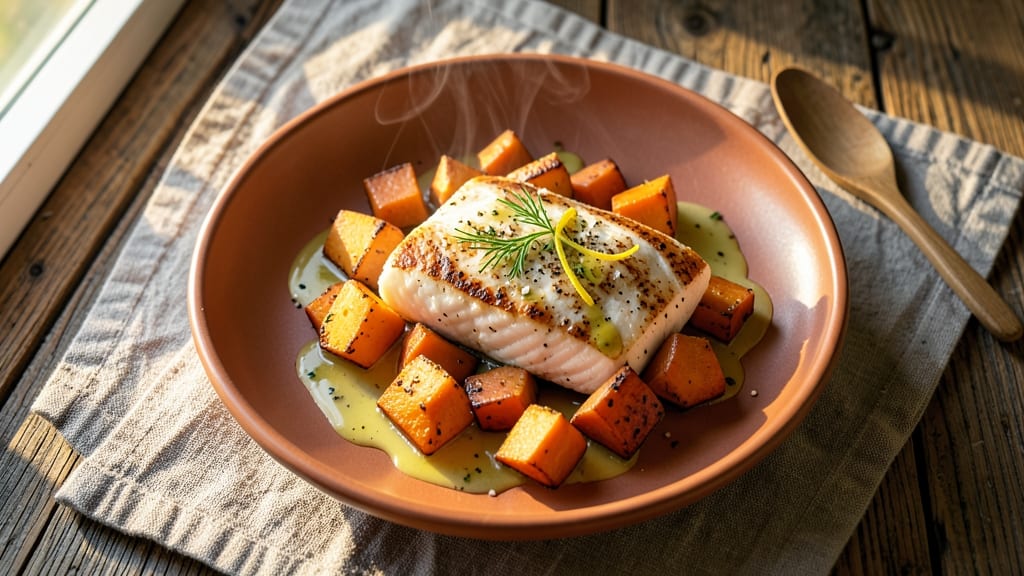
This white fish sweet potato recipe delivers restaurant-quality results with minimal effort—crispy pan-seared fish over caramelized sweet potatoes that balance sweetness and savory depth. The secret lies in high-heat searing for the fish and a simple honey-mustard glaze for the spuds, creating a dish that’s elegant yet approachable.
I developed this recipe after years of testing, ensuring every bite delivers perfect texture and flavor without complicated techniques.
The fish stays tender and flaky while developing a golden, crispy crust, thanks to a light cornstarch coating and a hot skillet. Meanwhile, the sweet potatoes caramelize into tender, slightly sticky bites with a touch of smoky paprika for warmth.
This method transforms simple ingredients into a meal that feels special—ideal for weeknight dinners or weekend gatherings.
What you’ll end up with is a harmonious plate where the fish’s delicate flavor complements the sweet potatoes’ natural sweetness. The dish pairs beautifully with a bright citrus salad or steamed greens, balancing richness with freshness.
Ready in under 30 minutes, it’s a foolproof way to elevate everyday meals with minimal fuss.
Whether you’re serving tilapia, cod, or halibut, this recipe adapts effortlessly while keeping the core technique intact. The key is patience—don’t rush the fish, and let the sweet potatoes roast until tender. Trust the process, and you’ll have a dish that’s as impressive as it is delicious.
Ingredients for white fish sweet potato
Crispy fish meets caramelized sweet potatoes—simple ingredients for restaurant-worthy results.
| Ingredient | Amount | Notes |
|---|---|---|
| White Fish Fillets 🐟 | 1 ½ lb | Cod, tilapia, or halibut preferred |
| Sweet Potatoes 🍠 | 2 medium | Peeled and cut into cubes |
| All-Purpose Flour 🌾 | ½ cup | For coating fish fillets |
| Cornstarch 🌾 | ¼ cup | For crispy coating |
| Extra-Virgin Olive Oil 🫒 | ½ cup | For searing fish |
| Unsalted Butter 🧈 | 2 tbsp | For roasting sweet potatoes |
| Honey 🍯 | 2 tbsp | For sweet potato glaze |
| Dijon Mustard 🍯 | 1 tbsp | For sweet potato glaze |
| Smoked Paprika 🌶️ | 1 tsp | For sweet potatoes |
| Salt 🧂 | 1 ½ tsp | Kosher or sea salt |
| Ground Black Pepper 🌶️ | ½ tsp | Freshly ground |
| Fresh Lemon Juice 🍋 | 2 tbsp | For finishing fish |
| Fresh Parsley 🌿 | ¼ cup | Chopped for garnish |
The fish selection matters. Cod or halibut deliver the most delicate texture, while tilapia offers a budget-friendly alternative. Look for fillets with even thickness—about 1/2-inch thick—for consistent cooking. If using frozen fish, thaw completely in the fridge overnight. For the sweet potatoes, organic varieties with vibrant orange flesh caramelize best. Trader Joe's or Whole Foods carry excellent pre-peeled options, but peeling yourself ensures cleaner cuts. The key is uniform cubes—about 1-inch—so they cook evenly without burning.
No cod on hand? Mahi-mahi or snapper work beautifully. For the sweet potatoes, substitute regular potatoes if needed, but reduce roasting time by 5-7 minutes as they cook faster. The cornstarch is non-negotiable for that perfect crisp—don't skip it. If you're avoiding gluten, use arrowroot powder instead of flour. The honey-mustard glaze can be prepped ahead and stored in the fridge for up to 3 days, though fresh is always better. For extra depth, add a pinch of cayenne to the glaze if you like heat. The smoked paprika adds warmth without overpowering the sweet potatoes' natural flavor.
Prep the sweet potatoes first—they take the longest. Toss them with oil, salt, and paprika before roasting to develop that sticky caramelized crust. The fish should sear in a hot, dry skillet for just 2-3 minutes per side—don't rush this step for that crispy texture. Store leftovers separately: fish reheats best in a warm skillet for 1-2 minutes, while sweet potatoes can go in the fridge for 3-4 days or frozen for up to 3 months. Garnish with fresh parsley just before serving to keep it vibrant.
Why You'll Love This Recipe
- One-Pan Magic: I swear by this recipe when I’m too tired to scrub a million dishes. Toss the sweet potatoes and fish on the same sheet pan, drizzle with olive oil, and let the oven do the work—no chopping boards in sight.
- Sweet & Crispy Duo: That golden crust on the fish? It’s all thanks to the flour-cornstarch mix, while the sweet potatoes caramelize into something dangerously tender. Honestly, the contrast is what makes it—creamy, crispy, and just salty enough.
- Lunchbox Hero: Between us, this is my go-to for meal prep. Roast a big batch of sweet potatoes, portion the fish, and pack them separately—no soggy lunches here. Even my picky-eating coworker finishes his.
- Budget Win: White fish is affordable, sweet potatoes last forever, and a little flour goes a long way. I’ve made this for $12 and fed four people—plus, leftovers reheat like a dream. (Yes, even on a Tuesday night.)
Step-by-step instructions for pan-seared crispy fish over caramelized spuds
Master this technique for perfectly crispy fish and sweet caramelized potatoes every time.
Prepare the Sweet Potatoes for Roasting
Preheat your oven to 400°F. In a large bowl, toss the peeled and cubed sweet potatoes with 2 tablespoons melted unsalted butter, 2 tablespoons honey, 1 tablespoon Dijon mustard, 1 teaspoon smoked paprika, 1 teaspoon salt, and ½ teaspoon ground black pepper. The mixture should coat the potatoes evenly, creating a sticky glaze that will caramelize beautifully.
Spread the potatoes in a single layer on a rimmed baking sheet lined with parchment paper. This ensures even browning and prevents steaming. Roast for 25-30 minutes, stirring halfway through, until the edges are deep golden brown and the potatoes are tender when pierced with a fork. The caramelization should be noticeable, with a glossy sheen from the honey-butter glaze.
Create the Crispy Fish Coating
In a shallow dish, combine ½ cup all-purpose flour and ¼ cup cornstarch. This ratio creates a light, crispy coating that won't weigh down the delicate fish fillets. Season the mixture with ½ teaspoon salt and ¼ teaspoon ground black pepper. The cornstarch is key—it absorbs moisture quickly, ensuring a golden crust rather than a soggy one.
Pat the 1.5 lb white fish fillets completely dry with paper towels. Moisture on the surface prevents the coating from adhering properly. Working with one fillet at a time, press it gently into the flour-cornstarch mixture, coating both sides evenly. Shake off any excess but don't worry about perfect coverage—just enough to create that crispy texture when seared.
Sear the Fish to Perfect Crispiness
Heat ½ cup extra-virgin olive oil in a large skillet over medium-high heat until it shimmers but isn't smoking. The oil should be hot enough to sizzle when you add the fish but not so hot that it burns the coating immediately. Working in batches if needed, carefully place the coated fish fillets in the skillet, leaving ½ inch of space between them.
Sear for 3-4 minutes per side until the coating is deep golden brown and crispy. You'll see the edges curl slightly at the corners—that's your signal the fish is ready. Avoid moving the fish too soon; let it develop that perfect crust undisturbed. The internal temperature should reach 145°F when measured at the thickest part.
Finish and Assemble the Dish
Remove the fish from the skillet and transfer it to a serving platter. Drizzle with 2 tablespoons fresh lemon juice and sprinkle with ¼ cup chopped fresh parsley. The acidity of the lemon brightens the flavors and cuts through the richness of the crispy coating, while the parsley adds a fresh finish. Let the fish rest for 2-3 minutes before serving to allow the juices to redistribute.
Return the roasted sweet potatoes to the oven for 2-3 minutes to reheat slightly, then arrange them beneath the fish on the platter. The warm potatoes will release their caramelized aromas, creating a harmonious balance with the crispy fish. Serve immediately while the fish is still crispy and the potatoes retain their caramelized sheen.
Pro Tips For Making White Fish Sweet Potato
- USE COLD FLOUR MIX: Pat the fish dry first, then dredge it in a bowl of flour and cornstarch mixed in a 3:1 ratio—cold flour sticks better than warm. I learned this the hard way when my first batch turned into a gluey mess because I warmed the mix "to save time." Trust me, the cold trick works.
- CUT SWEET POTATO IN SLICES: Skip the cubes—thin, even slices (about ¼-inch thick) cook faster and crisp up better when roasted. My grandmother swore by this, and she was right: thick chunks turn out gummy, while slices get that perfect caramelized edge in 20 minutes at 400°F.
- DON’T OVERCROWD THE PAN: Give the fish space—overlapping fillets steams instead of sears. A single layer in a hot pan with enough oil (about 2 tablespoons) guarantees a golden crust. I was skeptical until I tried it, and now I never crowd again.
- SALT THE FISH BEFORE DREDGING: Season the fillets before flouring—salt draws out moisture, which helps the crust adhere. Skip this, and your fish will taste bland and the coating will flake off. (Yes, even if you're impatient like me.)
Best sauces and condiments for this dish
Honey-Mustard Glaze
This glaze transforms simple sweet potatoes into caramelized, flavor-packed bites. I combine 2 tablespoons honey with 1 tablespoon Dijon mustard and 1 teaspoon smoked paprika for a perfect balance of sweet, tangy, and smoky. The honey adds natural sweetness while the mustard prevents the glaze from becoming cloying.
For extra depth, I sometimes add a pinch of cayenne if I want a subtle kick. Brush this glaze over the roasted potatoes in the last 5 minutes of cooking to create that irresistible caramelized crust. 🍯
Lemon-Garlic Aioli
A bright, creamy aioli elevates the dish by cutting through the richness of the crispy fish. I blend ¼ cup mayonnaise, 1 tablespoon fresh lemon juice, 1 minced garlic clove, ½ teaspoon salt, and ¼ teaspoon black pepper for a zesty dip.
For extra richness, I stir in 1 teaspoon chopped fresh dill. Serve this aioli on the side for dipping or drizzle it lightly over the fish before serving. It’s a game-changer for balancing flavors on the plate. 🍋
Garlic-Herb Butter
This compound butter adds a luxurious touch to the fish without overpowering its delicate flavor. I mix 2 tablespoons softened unsalted butter with ½ teaspoon minced garlic, ¼ teaspoon chopped fresh thyme, and a pinch of salt.
Spread a small dollop on top of each fish fillet right before serving, allowing it to melt slightly from the residual heat. The garlic and herbs infuse the butter with aromatic depth, creating a restaurant-quality finish. 🧈
Spicy Sriracha Crema
For those who love heat, this creamy condiment adds a bold contrast to the sweet potatoes. I whisk together ¼ cup sour cream, 1 teaspoon sriracha, and ½ teaspoon lime juice until smooth. The tangy, spicy crema pairs beautifully with the caramelized sweetness of the potatoes.
Drizzle it over the top of the dish or serve it on the side for dipping. It’s a crowd-pleaser for spice lovers! 🌶️
Fresh Herb Oil
Infused oils add a fresh, aromatic finish to the dish. I heat ¼ cup extra-virgin olive oil with 1 tablespoon chopped fresh parsley, 1 tablespoon chopped fresh chives, and a pinch of salt until the herbs soften slightly.
Strain out the herbs and drizzle the oil over the assembled dish just before serving. The bright, herby notes complement the crispy fish and caramelized potatoes perfectly. 🌿
Nutrition facts
Frequently asked questions
Can I use regular potatoes instead of sweet potatoes?
Yes, but adjust the cooking time and seasonings. Regular potatoes cook faster—reduce roasting time by 5-7 minutes and increase the oven temperature to 425°F. Skip the honey and add 1 teaspoon garlic powder or ½ teaspoon rosemary for flavor. The texture will be less sweet and more starchy, but still delicious!
What's the best way to store leftovers?
Keep the fish and sweet potatoes separate. Store the fish in an airtight container with a paper towel to absorb moisture—it reheats best in a warm skillet for 1-2 minutes. Sweet potatoes stay fresh in the fridge for 3-4 days or freeze for up to 3 months. Reheat frozen potatoes in the oven at 350°F for 10-15 minutes until warmed through.
How do I prevent the fish from sticking to the pan?
Ensure your skillet is hot but not smoking before adding oil. Pat the fish fillets completely dry with paper towels—moisture is the enemy of crispiness! Use a high smoke-point oil like avocado or grapeseed oil if you prefer. Let the fish sit undisturbed for 2-3 minutes before flipping to build that golden crust.
Can I make this recipe ahead of time?
Prep the sweet potatoes and coating mixture up to 1 day ahead. Store the coated fish fillets uncovered in the fridge for up to 6 hours (the cornstarch absorbs moisture). Assemble and cook just before serving to maintain crispiness. For a make-ahead meal, roast the sweet potatoes fully, cool, and reheat in the oven before serving.
What if my fish turns out rubbery instead of crispy?
Overcooking is the most common mistake. Fish is done at 145°F—use a meat thermometer for accuracy. If the coating isn't crispy, your skillet wasn't hot enough or the oil wasn't the right type. Next time, heat the pan until it "shimmers" before adding oil, and use cornstarch-heavy coatings. For extra insurance, let the fish rest 2-3 minutes before serving to redistribute juices.