
Desserts
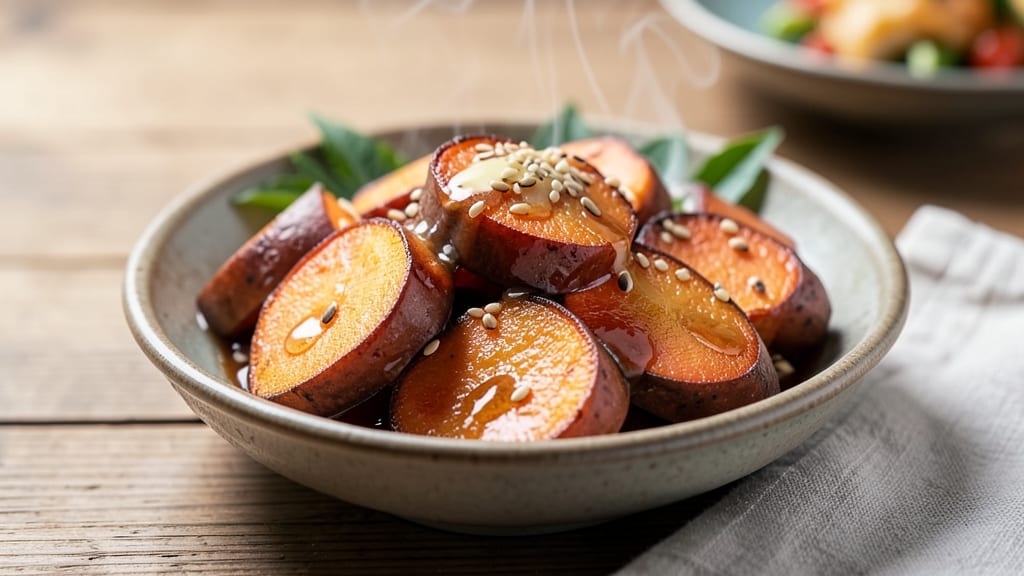
This steamed Japanese sweet potato recipe transforms humble root vegetables into pillowy, melt-in-your-mouth bites with a rich brown sugar caramel glaze. The secret lies in precise steaming—15 to 25 minutes—to achieve tender perfection without losing shape, paired with a glaze that balances sweetness and depth.
I developed this after discovering how Japanese home cooks elevate simple ingredients through technique, not complexity.
The process begins with carefully peeled and sliced sweet potatoes, steamed until just tender enough to hold their form while staying soft inside. The brown sugar glaze, simmered with butter and a touch of soy sauce, adds a caramelized contrast that makes every bite irresistible.
This dish bridges tradition and modern tastes—think of it as a dessert-like side that pairs beautifully with savory meals or stands alone as a comforting treat.
What sets this recipe apart is the texture: pillowy soft yet structured, with a glaze that clings without overwhelming. The Japanese technique of steaming preserves natural sweetness while creating a subtle earthiness that complements the caramel.
Serve warm with a sprinkle of sesame seeds or a dusting of kinako for an authentic touch, or go modern with cinnamon or maple variations.
Perfect for weeknight dinners, holiday sides, or even a simple dessert, this recipe proves how a few thoughtful steps can turn a basic ingredient into something extraordinary. The best part? It’s adaptable—swap the glaze for honey or miso, or serve alongside miso soup for a complete meal. Let’s get started.
Ingredients for steamed japanese sweet potato
Six core ingredients transform simple sweet potatoes into restaurant-quality Japanese delicacy.
| Ingredient | Amount | Notes |
|---|---|---|
| Japanese Sweet Potatoes (Satsumaimo) 🍠 | 3 lb | Medium size, peeled and sliced into 1-inch pieces |
| Unsalted Butter 🧈 | ½ cup | Cold, cut into small cubes |
| Light Brown Sugar 🍚 | ¾ cup | Packed, for caramel glaze |
| Soy Sauce 🥢 | 1 tbsp | Use Japanese-style for authenticity |
| Water 💧 | 4 cups | For steaming |
| Sesame Seeds 🌰 | 2 tbsp | Toasted, for garnish |
| Kinako (Roasted Soybean Flour) 🌾 | 2 tbsp | Optional, for authentic touch |
| Ground Cinnamon 🌿 | 1 tsp | Modern variation option |
| Salt 🧂 | ½ tsp | Kosher or sea salt |
| Vanilla Extract 🍯 | ½ tsp | Optional, for depth |
| Honey 🍯 | 1 tbsp | Substitute for brown sugar if preferred |
| Miso Paste (White) 🍶 | 1 tbsp | Alternative glaze option |
Japanese sweet potatoes (satsumaimo) are essential for authentic texture—look for vibrant orange flesh at Asian markets or specialty stores. Costco or Trader Joe's often carry them year-round, but local Japanese grocers offer the freshest selection. The size matters: medium potatoes yield even slices that steam uniformly. If using regular sweet potatoes, expect slightly denser results. For the glaze, Japanese-style soy sauce from Marukome or Kikkoman adds depth that regular soy can't replicate—worth the splurge for this dish.
No satsumaimo? Regular sweet potatoes work, though texture differs slightly. Swap brown sugar for maple syrup or honey at a 1:1 ratio, though the caramelization won't be identical. Kinako is optional but adds that signature Japanese flavor—substitute with cinnamon for a Western twist. The butter glaze requires cold butter for proper emulsification; don't melt it first. For a miso variation, replace half the soy sauce with white miso paste, simmered until dissolved. The vanilla extract is subtle but elevates the caramel—skip if you prefer pure sweetness.
Steamed potatoes keep 3 days refrigerated in an airtight container, but the glaze hardens when cold. Reheat gently in a dry skillet for 2-3 minutes to restore shine. For make-ahead convenience, prepare the glaze separately and reheat with the potatoes. The sesame seeds toast best in a dry pan for 30 seconds—watch closely to avoid burning. Portion into individual servings before refrigerating to maintain presentation. This dish reheats beautifully, making it ideal for meal prep.
Why You'll Love This Recipe
- Five-Ingredient Magic: The whole thing comes together with just butter, sugar, soy sauce, water, and those gorgeous orange satsumaimo—no fancy techniques, no crowded pantry. I swear, my first time I almost overcomplicated it, then realized: peel, steam, drizzle. Done. That’s it.
- Caramel-Soy Bliss: Here’s what sold me—the way the brown sugar and soy sauce melt into the sweet potato’s natural starch while steaming, creating this sticky, savory-sweet glaze. Not too sweet, not too salty, just ridiculously good with every bite. My kids fight over the last piece.
- Steam-Prep Heaven: Between us, this is my go-to for meal prep. Steam a big batch on Sunday, store them in the fridge, and reheat in seconds—perfect for lunches or quick dinners. Honestly, I’ve even thrown them in bento boxes or tossed them into salads when I’m feeling lazy.
- Budget-Friendly Comfort: A single bag of satsumaimo lasts me weeks, and the other ingredients? Pantry staples. Plus, leftovers reheat like a dream—no soggy mess, just that same buttery, caramelized flavor. My wallet and I both approve. (Yes, even on a Tuesday night.)
Step-by-step instructions for pillowy steamed Japanese sweet potatoes
Master the art of steaming satsumaimo to achieve tender, melt-in-your-mouth texture with a perfect caramel glaze.
Prepare the Steaming Setup
Fill a large pot with the 4 cups water and bring to a rolling boil over medium-high heat. While waiting, peel the 3 lb Japanese Sweet Potatoes (Satsumaimo) and slice them into 1-inch thick pieces. I find using a mandoline makes this task much easier and more consistent.
Place a steamer basket or colander in the pot, ensuring it sits at least 1 inch above the water level. This prevents the sweet potatoes from absorbing water and becoming waterlogged. You'll want the steam to circulate freely around the pieces for even cooking.
Steam Until Fork-Tender
Once the water reaches a full boil, carefully add the sliced sweet potatoes to the steamer basket in a single layer. Avoid overcrowding—this ensures even steaming and prevents uneven texture. Cover the pot with a tight-fitting lid and reduce heat to medium-low.
Steam for 15-20 minutes, checking for doneness at the 15-minute mark. The sweet potatoes are ready when a knife slides in easily and the edges begin to soften. Here's the thing—Japanese sweet potatoes have a unique starch structure that breaks down differently than regular potatoes, so don't overcook them or they'll turn mushy.
Create the Caramel Glaze
While the sweet potatoes steam, melt the 0.5 cup unsalted butter in a small saucepan over medium heat. Add the 0.75 cup light brown sugar and stir until dissolved, then whisk in the 1 tbsp soy sauce and 1 tbsp honey. This combination creates a perfect balance of sweetness and umami that complements the natural flavor of satsumaimo.
Continue cooking for 3-4 minutes until the mixture thickens slightly and turns a rich amber color. Remove from heat and stir in the 0.5 tsp vanilla extract and 1 tbsp miso paste (white). The miso adds a subtle savory depth that elevates the glaze. Keep this mixture warm until ready to use.
Toss and Garnish
Transfer the steamed sweet potatoes to a large serving platter or individual plates. Immediately pour the warm caramel glaze over the top and gently toss with tongs to coat evenly. The residual heat from the glaze will help it adhere to the sweet potatoes while keeping them warm.
Sprinkle with 2 tbsp toasted sesame seeds and 2 tbsp kinako (roasted soybean flour) for that authentic Japanese touch. For an extra modern twist, dust with 1 tsp ground cinnamon—it pairs beautifully with the caramelized sweetness. The combination of textures and flavors creates a truly memorable dish.
Serve Immediately
Serve the sweet potatoes while still warm, as they'll begin to cool and set slightly once removed from the heat. The contrast between the pillowy soft interior and the glossy caramel exterior makes each bite irresistible. I like to pair these with a simple green salad or grilled fish to balance the richness.
For best results, serve within 10 minutes of tossing with the glaze. The sweet potatoes will maintain their ideal texture and the caramel will remain glossy and flavorful. This dish is perfect for special occasions or as a comforting side that steals the show.
Pro Tips For Making Steamed Japanese Sweet Potato
- STEAM THEM WHOLE: I used to peel and slice them first, but that’s a waste of time—and flavor. Japanese sweet potatoes steam best when left whole, with just the stem trimmed. The skin stays tender, and the inside cooks evenly without turning gummy. If you’re worried about size, cut them in half lengthwise instead.
- BUTTER FIRST, SOY LAST: Drizzle the melted butter over the potatoes before adding sugar and soy sauce. That way, the soy doesn’t scorch when it hits the hot pan later. I learned this after one batch turned bitter—now I always melt the butter first, let it cool slightly, then mix in the rest. Trust me, the caramelized sugar will thank you.
- DON’T OVERSTEAM THE WATER: Fill the steamer with about 2 inches of water—no more. Too much steam makes the potatoes soggy, and you’ll end up with a mushy mess instead of that perfect tender-but-firm texture. I used to fill it to the brim like a fool, and the results were disappointing. Keep it shallow, and check the water level halfway through if steaming longer than 20 minutes.
- SWEAT THE SOY SAUCE: Reduce the soy sauce by half before drizzling it over the potatoes. A tablespoon of soy sauce is enough—just simmer it in a small pan for 2-3 minutes until it’s slightly syrupy. This cuts the saltiness and adds depth. I was skeptical until I tried it; now I can’t imagine doing it any other way. The potatoes absorb the flavor better, and the glaze isn’t overpowering.
Storing and reheating this dish
Refrigerator Storage
Store steamed sweet potatoes in an airtight container for up to 3 days in the refrigerator. The glaze will harden slightly when cold, but the texture remains tender inside. I always portion them into individual containers before refrigerating to maintain presentation and make reheating easier. 💫
Freezer Storage
For longer storage, freeze the sweet potatoes for up to 2 months. Spread them on a tray first to prevent sticking, then transfer to a freezer bag with all air removed.
The glaze will separate slightly but can be easily reheated. Thaw overnight in the fridge before reheating for best results.
Reheating Methods
For stovetop reheating, place the potatoes in a nonstick skillet over medium heat for 3-4 minutes, stirring occasionally. The residual moisture from the glaze helps restore shine. For microwave reheating, cover with a damp paper towel and heat for 1-2 minutes on 50% power, stirring halfway through.
Glaze Restoration
If the glaze looks dry after reheating, add 1 tsp water and heat for 30 seconds to revive its glossy texture. The key is gentle heat—high temperatures can turn the sweet potatoes mushy. I find reheating in small batches works best for even results.
Make-Ahead Glaze
Prepare the caramel glaze separately and store it in a small jar in the fridge for up to 1 week. Reheat the glaze alone in a saucepan over low heat until smooth, then toss with the steamed potatoes. This method saves time and keeps the glaze's rich flavor intact.
Serving Warm
For the best experience, serve reheated sweet potatoes immediately after warming. The contrast between the warm, pillowy potatoes and the glossy glaze is what makes this dish truly special. I like to garnish with fresh toasted sesame seeds right before serving to add that final crunch. 🌰
Nutrition facts
Frequently asked questions
Why steam Japanese sweet potatoes instead of boiling or roasting?
Steaming preserves the natural sweetness and delicate texture of satsumaimo while keeping them pillowy soft inside. Unlike boiling, it prevents waterlogging, and unlike roasting, it doesn’t create a crispy exterior that masks the tender interior. The gentle heat also makes them easier to digest—perfect for both sides and desserts!
Can I use regular sweet potatoes instead of Japanese satsumaimo?
Yes, but expect a slightly denser texture since regular sweet potatoes have more moisture. For best results, reduce steaming time to 12-15 minutes and slice them ¼-inch thinner. The caramel glaze will still work, though the flavor won’t be as delicate. For authenticity, seek out satsumaimo at Asian markets—it’s worth the hunt!
How do I fix oversteamed (mushy) sweet potatoes?
If they’re too soft, toss them with the glaze immediately and serve warm—the caramel adds structure. For reheating, use low heat in a dry skillet for 2-3 minutes to crisp the edges slightly. Pro tip: Steam in batches to avoid overcrowding, which traps steam and causes mushiness. A mandoline helps with even slices!
What’s the best way to store leftover glaze?
Store the glaze in a small airtight jar in the fridge for up to 1 week. Reheat it alone in a saucepan over low heat until smooth, then toss with reheated potatoes. For extra shine, add ½ tsp water while reheating. The glaze thickens when cold, so stir well before using!
Can I make this dish ahead of time for a party?
Steam the potatoes 1 day ahead and refrigerate in an airtight container. Reheat the glaze separately and toss just before serving. For a crowd, use a large chafing dish to keep them warm and glossy. Garnish with sesame seeds last minute for that restaurant-quality finish!