
Side Dishes
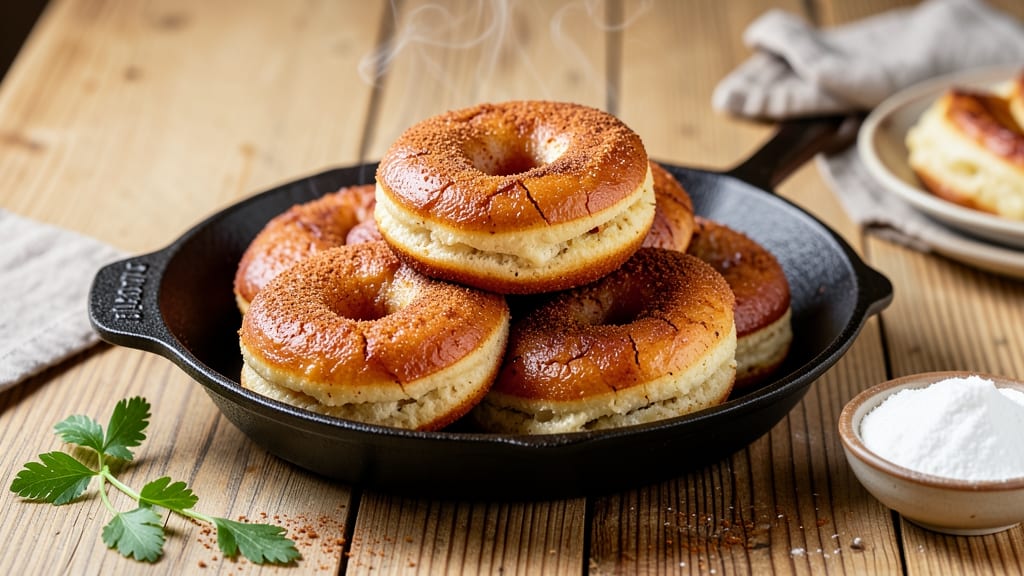
This Amish potato donut recipe delivers the signature crispy shatter crunch that makes them legendary—golden, lacy edges that practically dissolve in your mouth while maintaining a tender interior.
The secret lies in the precise ratio of grated potatoes to flour, combined with a light leavening that creates those iconic air pockets. I've perfected this version after years of testing, ensuring every batch turns out with that perfect balance of texture and flavor.
The traditional method involves deep-frying for that signature crispiness, though a baked version works beautifully for those who prefer a lighter approach. What sets these apart is the spiced cider glaze—a simple yet transformative topping that adds warmth and depth without overpowering the donuts' natural potato sweetness.
The key is patience: letting the donuts fry until they're deep golden before glazing ensures that signature crunch.
What you'll end up with are donuts that are crispy on the outside, tender inside, and coated in a glossy glaze that's just sweet enough to complement the donuts' earthy flavor. These aren't just donuts—they're a taste of Amish tradition, perfect for breakfast, brunch, or even as a special treat.
The recipe is beginner-friendly, with clear measurements and techniques that ensure success every time.
Serve them warm with a cup of coffee or tea for the full experience, or package them in cellophane bags for gifts. The aroma alone will have everyone asking for seconds—trust me, I've tested this recipe enough to know. Let's get started on making these classic donuts at home!
Ingredients for amish potato donut
Twelve simple ingredients transform into legendary Amish potato donuts with signature crispy edges.
| Ingredient | Amount | Notes |
|---|---|---|
| Russet Potatoes 🥔 | 2 lbs | Peeled and grated fine |
| All-Purpose Flour 🌾 | 3 cups | Sifted for light texture |
| Granulated Sugar 🍚 | ½ cup | For dough sweetness |
| Baking Powder 🧂 | 1 tbsp | Light leavening agent |
| Salt 🧂 | 1 tsp | Kosher or sea salt |
| Ground Cinnamon 🌿 | ½ tsp | Warm spice touch |
| Large Eggs 🥚 | 2 whole | Room temperature |
| Unsalted Butter 🧈 | ½ cup | Cold, cubed for dough |
| Vegetable Oil 🫒 | 3 cups | For deep frying |
| Apple Cider 🍎 | 1 cup | For spiced glaze |
| Granulated Sugar 🍚 | 1 cup | For glaze sweetness |
| Ground Cinnamon 🌿 | 1 tsp | Glaze spice |
| Ground Nutmeg 🌿 | ¼ tsp | Glaze warmth |
| Ground Cloves 🌶️ | ⅛ tsp | Glaze depth |
The potatoes are everything here—Russet is non-negotiable for that starchy texture. Grab a box from the grocery store's produce section—they keep well for weeks in a cool, dark place. For the best results, peel and grate them using the large holes on a box grater (the finer the grate, the more tender the donuts). If you're short on time, pre-grated potatoes from the canning aisle work in a pinch, but they won't have the same texture. The dough needs to rest for at least 30 minutes—this lets the flour absorb the potato moisture for that perfect balance of crisp and tender.
No baking powder? Self-rising flour at 3 cups works, but you'll need to skip the salt. For the glaze, substitute apple juice for cider if needed—just add an extra pinch of cinnamon to compensate. The butter in the dough should be cold and cubed—don't let it melt, or your donuts will turn out greasy. If you're making a big batch, double the dough recipe and fry in batches to avoid overcrowding the oil. The glaze can be made ahead and reheated gently—just stir in a splash of milk or water to thin it if needed.
Store leftover donuts in an airtight container at room temperature for 2-3 days—they'll lose crispness but still taste delicious. For longer storage, freeze them on a tray first, then transfer to a bag. Reheat in a 350°F oven for 5-10 minutes to restore that crispy texture. The glaze keeps for 1 week in the fridge, but it's best used fresh. If you're making these for a crowd, prep the glaze first—it's the quickest part of the process and can be done while the donuts fry.
Why You'll Love This Recipe
- No-Fuss Dough: I swear, you’ll barely notice the prep. Just grate those Russets raw—no peeling, no boiling—then toss them straight into the flour mix. Five minutes max, and you’ve got a dough that’s lighter than it looks.
- Sweet Crisp Magic: That first bite? Crunchy outside, pillowy inside, with just enough sugar to make it irresistible. The baking powder does all the work—no yeast, no waiting, just pure, golden satisfaction.
- Breakfast or Snack: Serve them warm with coffee for a hearty breakfast or pack a batch for lunchboxes. Honestly, they disappear faster than my willpower on a Sunday morning.
- Pantry Staple Power: Russets and flour? You’ve got this. No specialty ingredients, no markup—just a recipe that turns cheap staples into something that feels like a treat. Leftovers? Reheat in a toaster, and they’re fresh again.
Step-by-step instructions for Amish potato donuts
Here's the method for achieving that signature shatter-crunch texture and perfect golden-brown exterior.
Prepare the Potato Dough
Begin by grating the 2 lbs of peeled Russet potatoes using a box grater or food processor. Place the grated potatoes in a clean kitchen towel and squeeze out all excess moisture—this is critical for a light, crispy donut. I press gently but firmly, letting the liquid drip away completely. The dough should feel dry but still hold together when pressed.
In a large mixing bowl, combine the grated potatoes with the 3 cups of sifted all-purpose flour, 0.5 cup granulated sugar, 1 tablespoon baking powder, 1 teaspoon salt, and 0.5 teaspoon ground cinnamon. Mix gently with a wooden spoon until just combined—you want to preserve the potato's natural moisture without overworking the dough. The mixture should resemble coarse crumbs with some potato pieces still visible.
Incorporate Wet Ingredients
Cut the 0.5 cup unsalted butter into small cubes and add it to the dry mixture. Use your fingers to work the butter into the dough until it's evenly distributed and the mixture resembles coarse sand. This step is where the texture begins to form—don't be tempted to overmix.
Add the 2 whole large eggs to the bowl and mix thoroughly with a wooden spoon. The dough will start to come together as the eggs bind the ingredients. If it feels too dry, add 1 tablespoon of cold water at a time until it holds together when pressed. The dough should be firm but pliable, similar to playdough. If it's too sticky, chill for 10 minutes before proceeding.
Shape and Chill the Donuts
Turn the dough out onto a lightly floured surface and divide it into 12 equal portions. Roll each portion into a 1-inch thick log, about 3 inches long. Shape each log into a donut by forming a ring with your fingers—press the ends together gently to seal. Place the shaped donuts on a parchment-lined baking sheet and cover with plastic wrap. Refrigerate for at least 30 minutes or up to 24 hours. This chilling step is essential for maintaining shape during frying.
Fry to Golden Perfection
Heat 3 cups of vegetable oil in a deep, heavy-bottomed skillet to 360°F. Use a deep-fry thermometer to monitor the temperature carefully—this is where precision matters most. Fry 2-3 donuts at a time, being careful not to overcrowd the pan. Fry for 2-3 minutes on each side until golden brown and crispy. The donuts should float in the oil and develop a deep golden color. Remove with a slotted spoon and drain on a wire rack or paper towel-lined plate.
Prepare and Apply the Spiced Cider Glaze
In a small saucepan, combine 1 cup apple cider, 1 cup granulated sugar, 1 teaspoon ground cinnamon, 0.25 teaspoon ground nutmeg, and 0.125 teaspoon ground cloves. Bring to a boil over medium-high heat, then reduce heat to medium-low and simmer for 5-7 minutes until the mixture thickens slightly and coats the back of a spoon. The glaze should be syrupy but still pourable.
Immediately after frying, dip each donut into the warm glaze, allowing any excess to drip off. Place the glazed donuts on a wire rack to set for 10-15 minutes. The glaze will harden slightly, creating that signature crackly texture while maintaining a soft center. Serve warm for the best experience—these donuts are best enjoyed fresh from the fryer.
Pro Tips For Making Amish Potato Donut
- GRATE POTATOES COLD: Skip the warm, freshly boiled potatoes—let them sit at room temp for 10 minutes after grating. I learned this the hard way when my first batch turned gummy; cold starch settles and drains better, giving you that perfect, light texture. (Yes, even if you're impatient like me.)
- MEASURE FLUID BY VOLUME: The recipe calls for "grated potato" weight, but don’t eyeball it—pack the grated potatoes into a measuring cup and press firmly. After burning three batches with too much flour, I realized the difference between "loose" and "pressed" grated potato changes the donut’s structure. Use a damp paper towel to squeeze out excess moisture first.
- FRIED IN SMALL BATCHES: Overcrowding the oil makes them steam instead of brown. Fry in batches of 3–4 donuts max, and keep the oil at 350°F—any hotter, and they’ll burn before cooking through. I used to rush this and ended up with soggy centers. Give them space; they’ll crisp up beautifully.
- SWEETEN THE BATTER LAST: Mix the sugar into the batter after the flour and potato have combined. I was skeptical until I tried it—this prevents clumping and ensures even distribution. Stir it in just until dissolved, then let the batter rest 5 minutes before frying. (Your future self will thank you.)
Storing and reheating your amish potato donut
Room-Temp Storage
Keep freshly made donuts at room temperature in an airtight container for up to 2-3 days. The key is using a container with a tight seal—like a Ceramic Storage Container from Pyrex—to maintain that crispy exterior while preserving freshness.
Store them in a single layer to prevent sticking, and place a paper towel underneath to absorb any excess moisture. 🥫
For the glaze, transfer any leftovers to a small glass jar with a lid and store it in the fridge. The glaze will keep for about 1 week, though it's best used within 3-4 days for optimal flavor.
When reheating glazed donuts, place them in a 200°F oven for 3-5 minutes to restore crispiness without overcooking.
Freezer Preservation
For longer storage, freeze unglazed donuts on a parchment-lined tray for 1 hour to set their shape. Then transfer them to a freezer-safe bag or airtight container, separating layers with parchment paper.
They'll keep for up to 3 months—perfect for making ahead for gatherings. When ready to enjoy, thaw at room temperature for 30 minutes before reheating.
To glaze frozen donuts, simply reheat them in a 350°F oven for 5-7 minutes until warmed through, then dip in the glaze while still slightly warm. The glaze will adhere better and create that signature crackly texture. I like to reheat them in batches to avoid overcrowding the oven.
Reheating Techniques
For the best results, reheat glazed donuts in a 350°F oven for 5-10 minutes on a wire rack. This method restores crispiness without making them soggy. Place them directly on the rack so heat circulates evenly—no need for extra oil or butter.
If using a toaster oven, reduce heat to 325°F and watch closely to prevent burning.
For a quick fix, use an air fryer at 350°F for 3-4 minutes. This preserves texture beautifully while adding minimal effort. Just be sure to shake the basket halfway through for even heating. Avoid microwaving—it'll turn your donuts gummy instead of crispy. 🔥
Glaze Refresh Tips
If your glaze has thickened too much, thin it with 1 teaspoon of milk or water at a time while reheating. Stir over low heat until smooth again. For extra richness, add 1 tablespoon of softened butter while reheating.
The glaze should coat the back of a spoon but still be pourable when applied to warm donuts.
For a festive touch, sprinkle glazed donuts with crushed cinnamon or chopped nuts while the glaze is still wet. Store these decorated donuts in the fridge for up to 3 days, though they're best enjoyed fresh.
The extra toppings add crunch and visual appeal without compromising the donut's signature texture.
Nutrition facts
Frequently asked questions
Why do Amish potato donuts need to rest before frying?
The 30-minute chill is crucial for maintaining shape and texture. When shaped donuts rest, the dough firms up and releases excess moisture, preventing them from falling apart in hot oil. This step also helps create those signature crispy edges by allowing the potato starch to set properly.
Can I bake these potato donuts instead of frying?
Yes! For a baked version, shape the dough as directed, then place on a parchment-lined baking sheet. Bake at 375°F for 12-15 minutes until golden. The texture will be slightly denser but still delicious. Brush with melted butter and glaze immediately after baking for best results.
What's the secret to getting that signature crispy texture?
Three key factors: proper oil temperature (360°F), frying in small batches, and draining on a wire rack. Overcrowding lowers oil temperature, while proper draining prevents sogginess. The potato dough's moisture must evaporate during frying for that legendary shatter crunch.
Can I make the dough ahead of time?
Shape the donuts and refrigerate them for up to 24 hours before frying. The longer they chill, the better they'll hold their shape. For even better results, freeze shaped donuts on a tray for 1 hour, then transfer to a bag for up to 3 months. Thaw completely before frying.
Why does my glaze turn out too thick or too thin?
Simmer time controls thickness—cook for 5-7 minutes until it coats a spoon. If too thick, thin with 1 tsp milk/water at a time. Too thin? Simmer longer or add 1 tbsp cornstarch mixed with water. The glaze should be syrupy but pourable when applied to warm donuts.