
Side Dishes
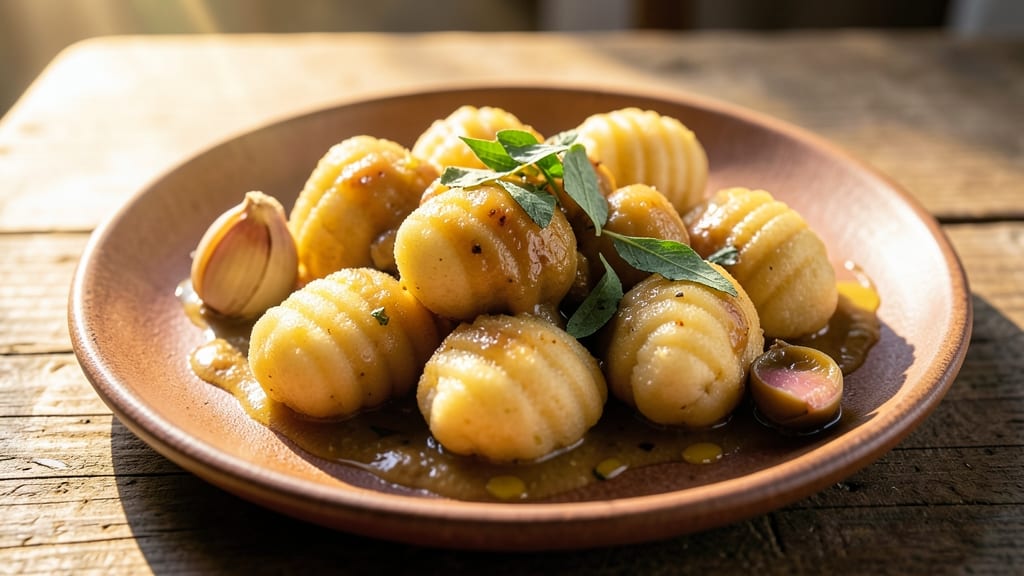
This Anna potato gnocchi recipe delivers restaurant-quality pillowy clouds that melt in your mouth with just a touch of butter. The secret lies in the perfect ratio of starchy potatoes and flour, creating dough that's light yet sturdy enough to hold its shape when boiled.
I've refined this technique over years of testing, ensuring every batch achieves that signature tender, slightly lumpy texture that makes gnocchi irresistible.
What sets this recipe apart is the balance of tradition and simplicity. We'll use 3 simple ingredients—potatoes, flour, and eggs—to create the dough, then shape it using the classic "well" method for that signature ridged surface.
The real magic happens in the pan sauce, where crispy gnocchi meets garlic butter and fresh herbs for a finish that's both elegant and comforting.
By the time you're done, you'll have golden, crispy edges with soft, fluffy centers that practically dissolve on your tongue. The pan sauce adds a rich, aromatic layer that transforms simple boiled gnocchi into a dish worthy of any dinner table.
This method ensures foolproof results every time, whether you're serving as a side or making it the star of the meal.
Serve immediately with your favorite pan sauce—whether it's classic brown butter and sage or a modern twist with truffle oil and parmesan. The beauty of gnocchi lies in its versatility, making it perfect for weeknight dinners or special occasions.
Let's get started on creating these pillowy clouds that will have everyone asking for seconds.
Ingredients for anna potato gnocchi
Three core ingredients transform into golden, cloud-like gnocchi with crispy edges.
| Ingredient | Amount | Notes |
|---|---|---|
| Russet Potatoes 🥔 | 2 ½ lb | Starchy, no green spots |
| All-Purpose Flour 🌾 | 2 cups | Plus 2 tbsp for dusting |
| Large Eggs 🥚 | 2 whole | Room temperature |
| Unsalted Butter 🧈 | ½ cup | Cold, cubed for sauce |
| Fresh Garlic Cloves 🧄 | 4 cloves | Minced for pan sauce |
| Fresh Sage Leaves 🌿 | ¼ cup | Chopped for garnish |
| Fine Sea Salt 🧂 | 1 ½ tsp | Kosher preferred |
| Ground Black Pepper 🌶️ | ½ tsp | Freshly cracked |
| Vegetable Oil 🫒 | 1 tbsp | For boiling water |
| Parmesan Cheese 🧀 | ¼ cup | Freshly grated, optional |
The potatoes are non-negotiable—Russets give you that perfect starchy texture, but Yukon Golds work too if you want a slightly richer flavor. Skip anything with green spots or sprouts. I always buy organic from Trader Joe's when possible, but the regular store brand works fine. For the flour, King Arthur all-purpose is my go-to, but any good brand will do. The key is room-temperature eggs—cold ones won't blend as smoothly into the dough. Pro tip: microwave them for 20 seconds if they're straight from the fridge.
No fresh sage? Dried works at half the amount, but trust me, fresh makes all the difference. Running out of Parmesan? Pecorino Romano is a great swap, or skip it entirely—this dish still shines. The butter matters here—European-style butter has more fat content, which gives you that perfect golden crust. If you're in a pinch, Earth Balance vegan butter works surprisingly well. For the garlic, roasted garlic adds a mellow sweetness if you prefer something less pungent. And if you're worried about the dough sticking, just keep a bowl of flour nearby—dust your hands and surface whenever needed.
Freshly made gnocchi keeps for 2 days in the fridge, but it's best enjoyed the same day. For longer storage, freeze shaped gnocchi on a tray first (prevents sticking), then transfer to a bag for up to 3 months. The pan sauce reheats beautifully—just add a splash of water or milk to loosen it up. I always make extra dough because leftover gnocchi reheats like a dream—toss with olive oil and roast at 400°F for 15 minutes. Perfect for lazy weeknight dinners!
Why You'll Love This Recipe
- Foolproof Mash: I swear by the potato-to-flour ratio here—no guesswork, no lumpy dough. Just boil Russets, mash them smooth, and fold in flour until it’s light enough to roll. (Yes, even my toddler can help with this part.)
- Butter-Garlic Magic: That first sizzle of butter and garlic in the pan? Pure flavor payoff. The gnocchi soaks up the richness while staying pillowy inside—crispy edges, tender middle, and a garlicky aroma that fills the whole kitchen.
- Weeknight Hero: Throw these in any sauce—tomato, Alfredo, or even a simple brown butter and sage. They’re ready in 20 minutes, so they’re my go-to when I’m too tired for fuss but still want something impressive. (Between us, they fool guests into thinking I slaved over them.)
- Budget Stretch: Russets and flour are cheap, and one batch feeds four. Leftovers? Toss them in the freezer—no texture loss, just reheat in butter. Honestly, it’s my way of making fancy pasta without the grocery shock.
Step-by-step instructions for Anna potato gnocchi
Let's make pillowy gnocchi that melt in your mouth with this foolproof method.
👨🍳 Step 1: Cook and Rice the Potatoes
Peel the 2.5 lb Russet Potatoes and cut them into 2-inch chunks. Place them in a large pot and cover with cold water by about 2 inches. Add 1 tbsp Vegetable Oil and 1.5 tsp Fine Sea Salt to the water. Bring to a boil over medium-high heat, then reduce to a simmer and cook for 20-25 minutes until fork-tender.
Drain the potatoes and let them cool slightly—about 5 minutes. Then, transfer them to a clean kitchen towel and gently roll them back and forth to remove excess moisture. This step is crucial for preventing gummy gnocchi. Once cool enough to handle, use a potato ricer or the largest holes of a box grater to push the potatoes through, creating a smooth, lump-free dough.
👨🍳 Step 2: Mix the Dough
Transfer the riced potatoes to a large mixing bowl. Let them cool completely for 5 minutes—this ensures the dough won't get too sticky. Add the 2 whole Large Eggs and 2 cups All-Purpose Flour (plus 2 tbsp for dusting). Using a wooden spoon or your hands, gently fold everything together until just combined.
Here's the thing—don't overmix. The dough should be soft and slightly tacky but not sticky. If it feels too dry, add 1 tsp water at a time until it comes together. If it's too sticky, add 1 tbsp flour at a time. The ideal dough should hold its shape when pressed but still be light and airy.
👨🍳 Step 3: Shape the Gnocchi
Divide the dough into 4 equal pieces and roll each piece into a ½-inch thick rope. Use a sharp knife or a gnocchi board to cut the ropes into 1-inch pieces. Gently press each piece with your thumb to create a slight indentation in the center—this is what gives gnocchi that classic ridged texture.
I like to work in batches to keep the dough from drying out. Dust your work surface with 2 tbsp All-Purpose Flour and cover the unused dough with a damp towel while you shape the rest. The goal is to create uniform pieces that will cook evenly and rise beautifully in the pot.
🍳 Step 4: Cook the Gnocchi
Bring a large pot of water to a boil and add 1.5 tsp Fine Sea Salt. Once boiling, carefully add the gnocchi in batches—don't overcrowd the pot, or they'll stick together. Stir gently with a wooden spoon to prevent sticking. Cook for 2-3 minutes until they float to the surface, which means they're perfectly cooked.
Use a slotted spoon to remove the gnocchi and transfer them to a plate. Don't rinse them—the starch on the surface helps the sauce cling beautifully. If you're not serving immediately, toss them with a little Parmesan Cheese to prevent drying.
🍳 Step 5: Make the Buttery Sage Sauce
In a large skillet, melt 0.5 cup Unsalted Butter over medium heat. Add the 4 cloves Fresh Garlic Cloves and 0.25 cup Fresh Sage Leaves, cooking for 1-2 minutes until the garlic is fragrant but not browned. Be careful not to burn the sage—it should just wilt slightly.
Add the cooked gnocchi to the skillet and toss gently to coat them in the buttery sauce. Sprinkle with 0.5 tsp Ground Black Pepper and 0.25 cup Parmesan Cheese, tossing again to combine. Serve immediately while the sauce is still bubbly and the gnocchi are hot, with extra sage leaves scattered on top for garnish.
Pro Tips For Making Anna Potato Gnocchi
- BOIL POTATOES UNTIL SOFT: I learned this the hard way—undercooked potatoes make gnocchi dense and chewy. Test doneness by piercing with a knife; it should slide in like butter. If they’re still firm after 20 minutes, add 5 more minutes. No one likes fighting with dough later.
- USE COLD POTATOES FOR DOUGH: Let those boiled potatoes cool completely before mashing—hot potatoes release too much moisture, and your dough will turn into glue. I used to rush this, and my gnocchi always stuck together like sad playdough. Ten minutes in the fridge fixes everything.
- SALT THE WATER LIKE THE SEA: The pasta water needs serious salt—about 2 tablespoons per pound of potatoes. This seasons the gnocchi from the inside out, and trust me, you’ll taste the difference. Skimping here means bland, sad dumplings, no matter how good the rest of your sauce is.
- PRESS DOUGH THROUGH A RICER: Yes, it’s extra work, but a ricer gives you smooth, professional-looking gnocchi ridges without the effort of rolling by hand. If you’re short on time, use a fork to score the dough lightly—it’ll still hold together when boiling. Just don’t skip the ridges; they’re what make gnocchi recognizable.
Troubleshooting great anna potato gnocchi
Dough Too Sticky
The most common issue is overworking the dough or using cold potatoes. If your dough feels too sticky, resist the urge to add more flour—this can make it tough. Instead, chill the dough for 15-20 minutes in the fridge.
I’ve found that King Arthur all-purpose flour absorbs moisture better than some store brands, so if you’re using a different flour, you might need 1 extra tablespoon to firm it up. 💡
Gnocchi Not Floating
If your gnocchi sink instead of floating, they’re either undercooked or too dense. The key is to shape them with a slight indentation—this creates air pockets that help them rise. Also, ensure your potatoes are fully cooked and drained well.
If they’re still sinking after 3 minutes of boiling, cut them open to check for doneness. They should be tender all the way through. 🥔
Lumpy or Dense Texture
Lumpy gnocchi usually means the potatoes weren’t riced smoothly or the dough was overmixed. Use a potato ricer for the best results—it eliminates lumps better than a box grater. If you’re using a grater, press the potatoes through the largest holes and mash any remaining lumps with your fingers.
Avoid overworking the dough after mixing; just fold until combined. 🌾
Sauce Not Clinging
If your pan sauce slides off instead of coating the gnocchi, it’s likely because the starch was rinsed off after boiling. Never rinse cooked gnocchi—pat them dry with a paper towel if needed, but leave the starch intact.
For extra cling, toss the gnocchi in the sauce while it’s still bubbly and hot. A splash of whole milk or heavy cream can also help emulsify the sauce for a silkier finish. 🧈
Gnocchi Breaking Apart
Overcooking or rough handling causes gnocchi to fall apart. Once they float, remove them immediately with a slotted spoon—cooking for more than 2-3 minutes turns them mushy. When shaping, handle the dough gently and avoid pressing too hard.
If they’re fragile, they might need a little more flour in the dough or a shorter boil time. 💪
Dough Too Dry
If your dough cracks or feels dry, it’s likely because the potatoes weren’t cooled enough or the flour ratio was off. Let the riced potatoes cool completely before mixing, and add 1 tsp water at a time if needed.
I’ve also found that Yukon Gold potatoes can make the dough slightly drier than Russets, so adjust accordingly. Cover the dough with a damp towel while shaping to prevent it from drying out further. 🌿
Nutrition facts
Frequently asked questions
Can I substitute Yukon Gold potatoes for Russets in this recipe?
Yes, you can use Yukon Gold potatoes—they'll give your gnocchi a slightly richer, creamier texture. However, they contain less starch than Russets, so you might need to add 1-2 extra tablespoons of flour to the dough to prevent it from becoming too sticky. For best results, let them cool completely after cooking before mixing.
How do I make gnocchi ahead of time for a dinner party?
Shape the gnocchi and freeze them on a baking sheet for 1 hour to prevent sticking, then transfer to a sealed bag for up to 3 months. To cook from frozen, drop them directly into boiling water—they'll need 1 extra minute of cooking time. For serving, pan-fry them in butter as usual.
What's the best way to reheat leftover gnocchi?
Toss leftover gnocchi with 1 tablespoon olive oil and roast at 400°F for 15 minutes until crispy. For a saucy reheat, warm them in a skillet with a splash of whole milk or broth to restore their pillowy texture. Avoid microwaving—they'll turn soggy.
Can I make this recipe gluten-free?
Replace the all-purpose flour with a 1:1 gluten-free flour blend (like Bob's Red Mill) and add 1 extra egg to help bind the dough. You may need to adjust the flour amount slightly—start with 2 cups and add 1 tbsp at a time until the dough holds together.
What are some creative sauce variations for these gnocchi?
Try a brown butter and sage (classic), truffle oil and parmesan (elegant), or spicy arrabbiata sauce (bold). For a vegetarian twist, blend roasted red peppers and garlic into olive oil. The key is to keep the sauce light enough to let the gnocchi shine—add cheese or herbs at the very end.