
Side Dishes
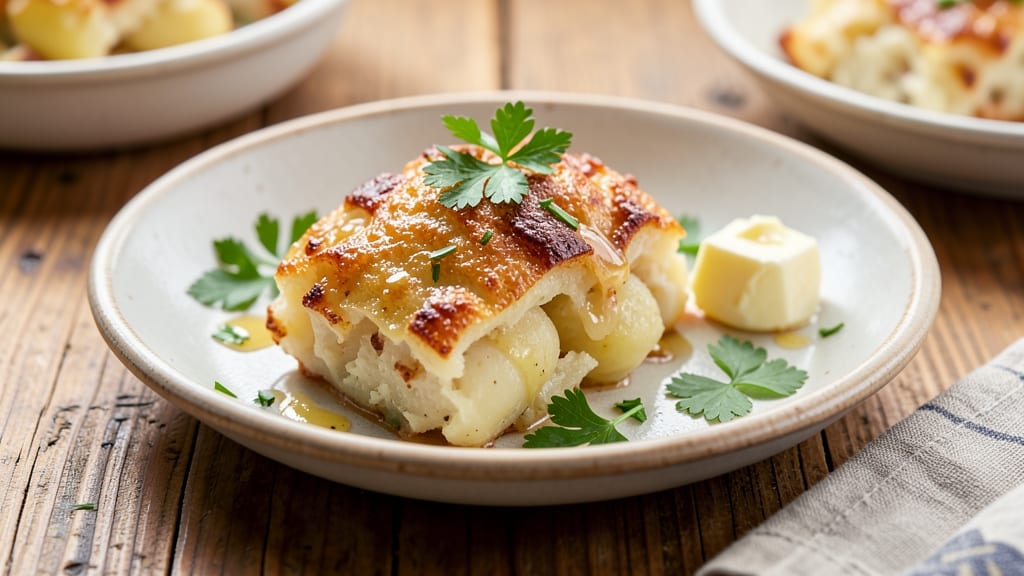
Bavarian potato dumplings transform humble ingredients into dense, buttery pillows that soak up every drop of pan sauce. The secret lies in boiling potatoes until tender, then mixing them with flour and egg to create a dough that's firm but pliable—never fluffy like bread dumplings.
This traditional side dish pairs perfectly with roasted meats or rich gravies, offering a comforting texture that's both sturdy and satisfying.
The process begins with starchy potatoes boiled until they're soft enough to mash easily, then combined with just enough flour to bind without making the dumplings crumbly. Shaping them into smooth, oval mounds is crucial—they should hold together when dropped into boiling water.
The key to success? Gentle handling and precise boiling times to avoid breaking them apart.
What makes these dumplings special is their ability to absorb flavors—whether it's herbed pan sauce, creamy gravy, or even hearty soups. The exterior develops a subtle golden crust while staying tender inside, creating the perfect balance of textures.
Serve them warm alongside your favorite main dish for a taste of authentic Bavarian comfort.
For best results, use waxy potatoes like Yukon Golds, which hold their shape during boiling. The dough should be cool enough to handle but still warm when shaping to prevent cracking. Once boiled to perfection, these dumplings become the star of any meal—simple yet undeniably delicious.
Ingredients for bavarian potato dumpling
Waxy potatoes, flour, eggs, and butter—simple ingredients for dumplings that soak up flavor like magic.
| Ingredient | Amount | Notes |
|---|---|---|
| Yukon Gold Potatoes 🥔 | 2 ½ lb | Peeled, boiled until tender |
| All-Purpose Flour 🌾 | 1 ½ cups | For binding dough |
| Large Eggs 🥚 | 2 whole | Room temperature for mixing |
| Unsalted Butter 🧈 | ½ cup | Cold, cubed for dough |
| Salt 🧂 | 1 ½ tsp | Kosher or sea salt |
| Fresh Parsley 🌿 | ¼ cup | Finely chopped for garnish |
| Fresh Chives 🌱 | 2 tbsp | Chopped for herbed sauce |
| Fresh Dill 🌿 | 1 tbsp | Chopped for herbed sauce |
| Chicken Broth 💧 | 1 ½ cups | Low-sodium preferred |
| Heavy Cream 🥛 | ½ cup | Full-fat for richness |
| Garlic Cloves 🧄 | 2 cloves | Minced for herbed sauce |
| White Wine Vinegar 🍷 | 1 tbsp | For brightness in sauce |
| Black Pepper 🌶️ | ½ tsp | Freshly ground |
| Vegetable Oil 🫒 | 1 tbsp | For boiling water |
Yukon Golds are non-negotiable here—their waxy texture holds shape perfectly. Buy a 2.5-pound bag at Whole Foods or your local market, and peel them before boiling. The flour should be all-purpose (none of that fancy bread flour), and King Arthur or Bob's Red Mill are my go-tos. Eggs? Grab the large size—they bind better. Butter matters too—Plugrá or Land O'Lakes work, but nothing beats European-style butter like Miyoko's if you want to splurge. Keep everything chilled until the last step to prevent the dough from getting sticky.
No Yukon Golds? Russets or red potatoes work in a pinch, but they'll be slightly less tender. Short on butter? Olive oil at half the amount keeps things from drying out. The herbed sauce is where you can get creative—swap chives for green onions or add a pinch of lemon zest for brightness. Chicken broth can be subbed with vegetable broth, and heavy cream? Full-fat coconut milk works if you're avoiding dairy. Just don't skip the vinegar—it cuts through the richness and makes the sauce sing. For the dough, if it feels too wet, add a splash more flour; too dry? A teaspoon of milk or broth helps.
Boiled potatoes stay fresh in the fridge for 2 days if wrapped tightly in a towel. The dough can be shaped ahead and kept covered at room temp for 4 hours, but boil them fresh for best texture. The herbed sauce keeps for 3 days in the fridge—stir in a pat of butter before serving to revive the richness. Freeze dumplings in a single layer before transferring to a bag for up to 3 months. Pro tip: Toss them in flour before freezing to prevent sticking. Reheat gently in simmering broth or sauce—never microwave, or they'll turn gummy.
Why You'll Love This Recipe
- No Fuss, No Mess: I swear by this recipe because it’s the kind of meal you can make while scrolling through your phone—just boil potatoes, mash them with butter and eggs, then roll out dough that’s basically foolproof. The Yukon Golds keep it creamy without falling apart, and the flour mixture stays light as a cloud.
- Butter-Kissed Magic: That rich, buttery flavor? It’s the star. The dumplings soak up the butter like a dream, giving you that perfect balance of fluffy inside and golden crust—no heavy cream or complicated seasoning needed. Honestly, the first bite makes me wonder why I ever bought frozen ones.
- Weeknight to Holiday: Between us, these dumplings work for everything: a quick Tuesday dinner with gravy, a cozy Sunday brunch, or even as a side for Thanksgiving leftovers. I’ve served them plain, with caramelized onions, or alongside roasted chicken—no judgment if you eat them straight from the pot.
- Budget-Friendly Leftovers: A single batch stretches for days—reheat them in the oven with a pat of butter, and they taste just as good cold for lunch. Plus, using Yukon Golds and basic pantry staples means you’re not breaking the bank. My wallet and my freezer both thank me.
Step-by-step instructions for Bavarian potato dumplings
Here's how to create fluffy, golden dumplings with a rich herbed pan sauce—every step matters.
👨🍳 Step 1: Boil and Mash the Potatoes
Place the 2.5 lb Yukon Gold Potatoes in a large pot and cover with cold water by about 2 inches. Add the 1 tablespoon vegetable oil—this prevents the potatoes from sticking. Bring to a boil over medium-high heat and cook for 15-20 minutes until a knife slides in easily.
Drain the potatoes thoroughly, then return them to the pot. Mash them until completely smooth—no lumps—using a potato masher or the back of a wooden spoon. Let them cool slightly while you prepare the dough mixture. The potatoes should be warm but not hot when you mix them with the other ingredients, or the butter will melt and make the dough too sticky.
👨🍳 Step 2: Mix the Dumpling Dough
In a large mixing bowl, combine the mashed potatoes, 1.5 cups all-purpose flour, 1.5 teaspoons salt, and 0.5 cup unsalted butter (cold, in cubes). Use your hands or a wooden spoon to work the butter into the potatoes until the mixture resembles coarse crumbs with pea-sized butter pieces remaining.
Add the 2 whole large eggs (room temperature) and mix thoroughly until the dough comes together. It should be soft but hold its shape when pressed. If it's too dry, add 1 tablespoon cold water at a time until it forms a smooth, pliable dough. Don't overwork it—just enough to combine. The dough should feel like slightly damp playdough, not sticky or crumbly.
🍳 Step 3: Shape and Boil the Dumplings
Divide the dough into 4 equal portions (about 6 ounces each) and roll each portion into a 12-inch rope. Cut each rope into 1-inch thick slices and gently flatten them into ovals with your palms. You should have about 16 dumplings total.
Bring a large pot of salted water to a gentle boil. Add the dumplings in batches (don't overcrowd) and cook for 3-4 minutes until they float to the surface. This indicates they're fully cooked inside but still tender. Remove with a slotted spoon and drain well on paper towels. Keep them warm while you prepare the sauce.
🍳 Step 4: Make the Herbed Pan Sauce
In the same pot (no need to wash it—the browned bits add flavor), melt 2 tablespoons unsalted butter over medium heat. Add the 2 minced garlic cloves and sauté for 30 seconds until fragrant but not browned. Pour in the 1.5 cups chicken broth and bring to a gentle simmer.
Reduce heat to low and let it cook for 5 minutes until slightly reduced. Stir in the 0.5 cup heavy cream, 1 tablespoon white wine vinegar, and 0.5 teaspoon black pepper. The sauce should be smooth but not too thick—it should coat the back of a spoon lightly. Taste and adjust seasoning if needed.
🥘 Step 5: Finish with Fresh Herbs and Serve
Gently stir in the 2 tablespoons fresh chives, 1 tablespoon fresh dill, and 0.25 cup fresh parsley. These herbs add bright, fresh notes that cut through the richness of the dumplings and sauce. Let the sauce simmer for 1 minute to meld the flavors together.
Return the dumplings to the pot and gently toss to coat them evenly with the herbed sauce. Serve immediately, spooning the dumplings onto plates with extra sauce ladled over the top. Each bite should deliver fluffy, buttery potato with a velvety sauce that's brightened by the herbs and vinegar. For best results, serve with a side of roasted vegetables or a crisp green salad.
Pro Tips For Making Bavarian Potato Dumpling
- Boil Potatoes Until Fork-Tender: I used to pull them out when they were still slightly firm—big mistake. Yukon Golds should break apart easily with a fork but still hold shape. Overcooking turns them mushy; undercooking means your dumplings won’t bind properly. Test one first, then adjust the remaining batch.
- Use Cold Butter for Dough: Warm butter makes the dough sticky and hard to handle. Take the butter straight from the fridge, cut it into small cubes, and work it into the flour quickly. This keeps the texture light and prevents a greasy mess—trust me, your future self will notice the difference.
- Don’t Overwork the Dough: Mix just until the flour is incorporated and the dough comes together. Kneading too much develops gluten, which makes the dumplings dense instead of fluffy. A few gentle folds are all you need—this isn’t bread, after all.
- Rest the Dough Before Rolling: This isn’t the prettiest method, but it’s the tastiest. Let the dough sit for 10-15 minutes before shaping. It relaxes the gluten and makes rolling out the sheets way easier—no more sticking or tearing. (Yes, even if you’re impatient like me.)
Perfect pairings for bavarian potato dumpling
Classic Meat Pairings
Bavarian potato dumplings shine alongside hearty roasted meats like beef brisket or pork shoulder. The dumplings' buttery texture soaks up the rich pan juices from these dishes beautifully.
I love serving them with Bavarian-style roast pork, where the dumplings catch the crispy pork skin bits and tender meat flavors. For a lighter option, try with herb-crusted chicken breast—the dumplings balance the chicken's richness with their mild potato flavor. 🥩
Gravy and Sauce Complements
The herbed pan sauce in this recipe pairs perfectly with dark meat gravies or wild mushroom sauces. For a classic German pairing, serve with Schmorbraten gravy (beef pot roast gravy) or Rahmsauce (cream sauce).
I also love adding a spoonful of apple chutney alongside the dumplings to cut through the richness. The dumplings' neutral flavor makes them an ideal canvas for any sauce. 🍲
Soup and Stew Pairings
These dumplings transform simple soups into hearty meals. Drop them into creamy potato-leek soup during the last 5 minutes of cooking so they absorb the flavors. They also elevate German goulash or beef barley soup—just add them in the final 10 minutes of simmering.
For a vegetarian option, pair with lentil and vegetable stew. The dumplings' density makes them perfect for spooning up broth and vegetables. 🥘
Vegetable and Salad Sides
Balance the richness with crisp, fresh sides like roasted Brussels sprouts or sautéed green beans with almonds. A simple mixed greens salad with a light vinaigrette prevents the meal from feeling too heavy.
I particularly love serving them with caramelized red onions and wilted spinach—the sweetness of the onions contrasts perfectly with the dumplings' earthy flavor. 🥗
Beverage Pairings
A crisp German wheat beer like Weihenstephaner Hefeweissbier complements the dumplings' buttery richness. For wine lovers, a dry Riesling from the Mosel region cuts through the fat while enhancing the herbed sauce's brightness.
If you prefer non-alcoholic options, try sparkling apple cider or ginger beer—both add a refreshing contrast. 🍺
Breakfast Adaptations
Transform these dumplings into a breakfast star by serving them with scrambled eggs or sausage gravy. The herbed sauce works wonderfully as a dipping sauce for bacon or ham.
For a sweet twist, drizzle with maple syrup and top with cinnamon—this makes a delightful weekend brunch dish. 🍳
Nutrition facts
Frequently asked questions
Why do Bavarian potato dumplings need to be boiled instead of baked?
Boiling creates their signature dense, pillowy texture while keeping them tender inside. Baking would dry them out—the gentle heat of boiling water cooks them evenly without developing a crust. The dough's high potato content means they absorb moisture rather than release it, which is why they float when perfectly cooked.
Can I make these dumplings ahead of time?
Yes! Shape the dumplings and refrigerate them (covered) for up to 4 hours before boiling. For longer storage, freeze uncooked dumplings on a floured tray, then transfer to a bag for 3 months. Thaw overnight in the fridge and boil fresh—they won't absorb flavors from frozen storage.
What's the secret to preventing dumplings from falling apart?
Handle the dough gently and avoid overmixing—just combine until it holds shape. Use waxy potatoes (like Yukon Golds) that mash smoothly, and keep the dough cool until shaping. When boiling, don't overcrowd the pot and cook just until they float (3-4 minutes). Overcooking makes them gummy.
How do I fix dough that's too sticky?
Add 1 tablespoon flour at a time while mixing—work it in with your hands until the dough becomes pliable. If it's still too wet, chill the dough for 15 minutes before shaping. The key is balance: the dough should hold together when pressed but not crumble. Overworking it will make it tough.
Can I substitute butter with oil in the dough?
You can use olive oil or vegetable oil at half the amount (about 2 tablespoons total), but the flavor will be less rich. For best results, stick with butter—it adds depth and helps create that classic Bavarian texture. If you're avoiding dairy, cold-pressed coconut oil works well as a neutral substitute.