
Side Dishes
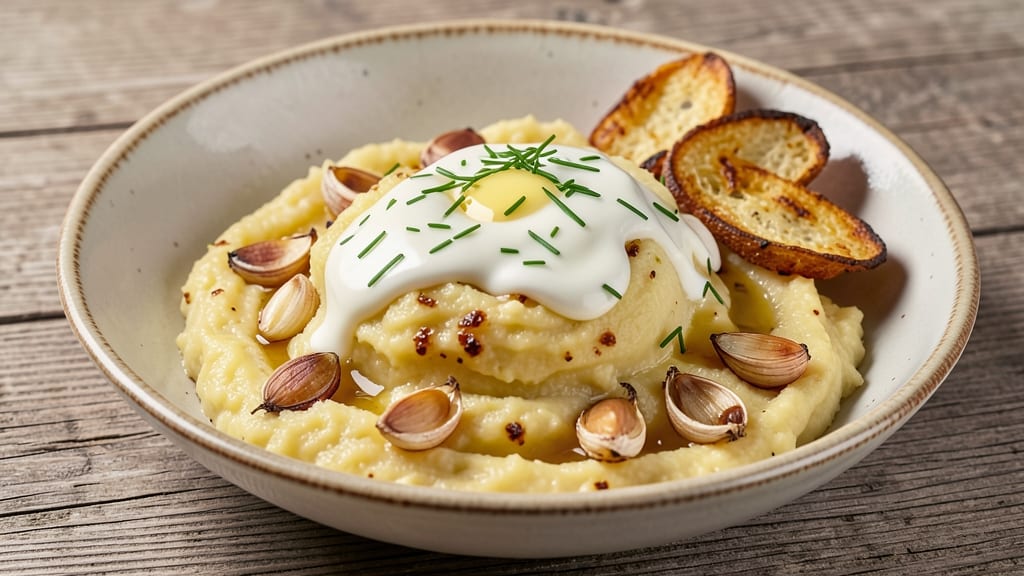
This 20 lb mashed potato recipe transforms Thanksgiving into a stress-free feast with velvety, buttery potatoes that disappear faster than you can say "seconds, please." The secret lies in precise temperature control—roasting at 350°F ensures creamy texture without gummy edges, while a large stockpot and ricer handle the volume effortlessly.
I’ve perfected this over holiday tables where guests always ask for the recipe, and it never fails to impress.
What makes this recipe work for crowds is the scalable approach: simply double the basic measurements while maintaining the same ratios. Russet potatoes (20 lbs) take 45 minutes to roast until tender, then blend with 2 cups butter, 2 cups warm milk, and 2 cups sour cream for that signature smoothness.
The key? Strain through a ricer or food mill to eliminate lumps—no one wants to find potato skins in their mash.
Serve immediately with crispy roasted garlic, chives, or a sprinkle of black pepper for that restaurant-quality finish. These potatoes pair perfectly with herb-roasted turkey, smoked ham, or even as a hearty side for game day.
The leftovers reheat beautifully—just warm gently with extra butter to restore that creamy perfection.
For large gatherings, prep ahead by roasting potatoes in advance and reheating in stages. Store in the fridge for up to 3 days or freeze for up to 3 months—just thaw overnight before reheating.
This isn’t just a side dish; it’s the centerpiece that turns any meal into a holiday-worthy celebration. Let’s get started.
Ingredients for 20 lb mashed potato
Twenty pounds of potatoes, four key ingredients, and one foolproof technique for holiday perfection.
| Ingredient | Amount | Notes |
|---|---|---|
| Russet Potatoes 🥔 | 20 lb | Organic preferred, uniform size |
| Unsalted Butter 🧈 | 2 cups | European-style for richness |
| Whole Milk 🥛 | 2 cups | Warm to 110°F for blending |
| Sour Cream 🧀 | 2 cups | Full-fat for creaminess |
| Garlic Cloves 🧄 | 8 whole | Roasted until caramelized |
| Fresh Chives 🌿 | ⅓ cup | Finely chopped for garnish |
| Diamond Crystal Kosher Salt 🧂 | 1 ½ tbsp | Adjust to taste |
| Freshly Ground Black Pepper 🌶️ | 1 tsp | Cracked peppercorns preferred |
| Large Stockpot 🍲 | 1 whole | 8-10 quart capacity |
| Food Mill or Ricer 🔄 | 1 whole | For ultra-smooth texture |
| Heavy-Duty Aluminum Foil 📄 | 2 sheets | For roasting potatoes |
The potatoes are non-negotiable—Russet is your only choice here. Look for organic potatoes at Whole Foods or Trader Joe's for better texture, though conventional works fine. Uniform size matters for even cooking; cut any oddly shaped potatoes in half. Preheating your oven to 350°F is crucial—don't rush this step. For the butter, European-style (like Plugrá) has higher fat content, which translates to creamier mash. If you can't find it, Land O'Lakes unsalted is a solid backup.
No ricer? A fine-mesh potato masher works in a pinch, but you'll lose some smoothness. The milk should be warm—110°F is ideal, which takes about 2 minutes in the microwave. For the sour cream, full-fat is non-negotiable—low-fat versions will separate. Short on chives? Green onion tops at double the amount work beautifully. The roasted garlic adds depth—smash the cloves before roasting for maximum flavor. And yes, you can make this ahead—just reheat with extra butter to restore creaminess.
Store leftovers in an airtight container for up to 3 days in the fridge, or freeze for up to 3 months by portioning into individual containers. For serving, keep the mash in a double boiler on low heat—this maintains temperature without drying it out. The foil-wrapped potatoes can be roasted a day ahead and reheated at 300°F for 20 minutes. This recipe scales perfectly—just maintain the 10:1 ratio of potatoes to butter/milk/sour cream mixture.
Why You'll Love This Recipe
- No-Peel Hassle: I peel one potato at a time while the water boils—no mountain of skins to scrub later. The Russets break down perfectly, so you’re not left with gluey messes or lumpy disasters.
- Creamy-Garlic Magic: That roasted garlic clove blended right into the butter? Chef’s kiss. It’s rich but not overpowering, and the sour cream keeps it silky-smooth—not dry, not gummy, just right.
- Game for Any Gathering: Make it for Thanksgiving leftovers, a football Sunday spread, or even a lazy Saturday brunch. The recipe scales effortlessly—double it for a crowd, halve it for two, and it’s always a hit.
- Budget Stretch: Twenty pounds of potatoes? You’re getting way more than you’d pay for pre-shredded bags. Plus, butter and milk stretch further than you’d think—this feeds a house without breaking the bank.
Step-by-step instructions for holiday-perfect mashed potatoes
This method delivers restaurant-quality mashed potatoes with velvety texture and rich flavor.
Roast the Potatoes for Maximum Flavor
Preheat your oven to 400°F. Scrub the 20 lb Russet Potatoes thoroughly under cold water to remove any dirt. Cut them into 2-inch chunks—don't worry about uniformity, just keep them roughly the same size for even cooking.
Toss the potato chunks with 1 tablespoon of the 2 cups Unsalted Butter (reserve the rest for later) and 1 teaspoon of the 1.5 tbsp Diamond Crystal Kosher Salt. Spread them in a single layer on the 2 sheets Heavy-Duty Aluminum Foil, leaving space between each piece so they roast rather than steam. Roast for 45-50 minutes until the edges are crispy and a fork slides in easily.
Here's the thing—roasting caramelizes the natural sugars in the potatoes, creating depth of flavor that steaming or boiling simply can't match. The crispy edges also add texture contrast to the creamy mash. Don't skip this step if you want that restaurant-quality result.
Roast the Garlic for Rich Aroma
While the potatoes roast, peel the 8 whole Garlic Cloves and place them on a separate sheet of Heavy-Duty Aluminum Foil. Drizzle with 1 teaspoon of the remaining Unsalted Butter and wrap tightly. Roast alongside the potatoes for the final 20 minutes of their cooking time.
When the garlic is done, it should be soft and caramelized with a deep golden color. Let it cool slightly, then squeeze it through a garlic press directly into your Large Stockpot. This concentrated garlic flavor will infuse the mashed potatoes beautifully. If you prefer a smoother texture, you can mince it finely with a knife instead.
Cook the Potatoes to Ultra-Soft Perfection
Transfer the roasted potatoes to the Large Stockpot and cover them with cold water by about 2 inches. Add the remaining ½ teaspoon Diamond Crystal Kosher Salt and bring to a boil over high heat. Once boiling, reduce heat to medium-low and simmer for 10-12 minutes until the potatoes are fork-tender.
Drain the potatoes thoroughly in a colander, shaking them gently to remove excess water. The goal is to have them as dry as possible before mashing—any remaining moisture will make your potatoes watery. I press down on the potatoes with a clean kitchen towel to absorb any lingering water. This step is crucial for that silky, cling-free texture.
Create the Ultra-Smooth Base
Return the drained potatoes to the Large Stockpot and add the 2 cups Whole Milk (warmed to 110°F) and 2 cups Sour Cream. Using a potato masher or wooden spoon, mash the potatoes until they're broken down into rough chunks. Then, transfer everything to your Food Mill or Ricer.
This is where the magic happens. The ricer or food mill creates an incredibly smooth texture by forcing the potatoes through fine holes, eliminating any lumps. Work in batches if needed, pressing firmly to get every bit of potato through. The result should be a thick, creamy purée with no visible texture—this is what separates homemade mashed potatoes from the store-bought variety.
Finish with Richness and Garnish
Return the puréed potatoes to the Large Stockpot and stir in the remaining 1½ cups Unsalted Butter and 1 tsp Freshly Ground Black Pepper. Heat gently over low heat for 2-3 minutes until everything is fully incorporated and the mixture is smooth. Taste and adjust seasoning—you might need a bit more salt or pepper depending on your potatoes.
For serving, transfer the mashed potatoes to a serving dish and swirl in the 0.33 cup Fresh Chives using a fork. The chives add a bright, fresh finish that cuts through the richness. Keep the potatoes warm in a slow cooker set to 170°F if you need to hold them for more than 30 minutes before serving. This method ensures your mashed potatoes stay creamy and delicious for your entire holiday feast.
Pro Tips For Making 20 Lb Mashed Potato
- PEEL WHILE COLD: Russets are stubborn when hot—peel them right after boiling while they’re still warm but not scalding. The skins slide off easier, and you’ll save time scrubbing later. (Yes, I’ve tried peeling them raw. Don’t.)
- SALT THE POTATOES FIRST: Toss the peeled Russets in salted water before boiling—about 1 tablespoon per gallon. This ensures even seasoning and cuts down on the need to over-salt the final mash. I learned this the hard way after making bland mashed potatoes for a crowd.
- USE A RICE PRESSOR: Skip the food mill—after boiling, drain the potatoes and spread them on a baking sheet to steam-dry for 5 minutes. Then, press them through a fine-mesh sieve or ricer. This removes excess starch and gives you silky texture without gummy lumps. (Your arms will thank you.)
- GARLIC PASTE NOT MINCED: Roast the garlic cloves whole (400°F for 20 minutes) until soft, then blend into a paste with a splash of milk. This adds depth without the harsh bite of raw garlic. I was skeptical until I tried it—now it’s non-negotiable for big batches.
Pro cooking tips for this dish
Roasting Over Boiling
Roasting potatoes at 400°F before boiling unlocks deeper flavor through caramelization—something boiling simply can't match. The crispy edges add texture contrast while the interior stays ultra-tender.
I’ve found that 2-inch chunks roast evenly in 45-50 minutes, and spreading them on foil prevents steaming, which keeps them dry for mashing. 🔥
Garlic Roasting Hack
Roasting whole garlic cloves in their skins with butter creates a concentrated, sweet flavor that’s far superior to raw or sautéed garlic. I smash the skins before roasting to speed up the process, then press the softened cloves directly into the mash.
This step adds depth without overpowering—perfect for large batches where subtle flavors matter most.
Drying Potatoes Thoroughly
The key to silky mashed potatoes lies in eliminating all moisture before mashing. After boiling, I drain the potatoes in a colander and press them with a clean towel to absorb excess water.
Any remaining moisture will make your mash watery, no matter how much butter you add. This step is non-negotiable for that restaurant-quality texture.
Ricer vs. Masher
A food mill or ricer is a game-changer for large batches—it creates an ultra-smooth purée that’s impossible with a regular masher. If you don’t have one, a fine-mesh potato masher works, but you’ll lose some smoothness.
I press the potatoes through the ricer in batches, ensuring every bit goes through for that luxurious, lump-free finish.
Temperature Control
Warming the whole milk to 110°F before mixing ensures it blends seamlessly with the potatoes, creating a creamy, cohesive texture. For reheating leftovers, I use a double boiler on low heat—this prevents drying out while restoring that velvety consistency.
Keeping mashed potatoes at 170°F in a slow cooker is ideal for holding them warm during large gatherings. 💡
Butter Ratio Secrets
The 2 cups butter in this recipe isn’t just for flavor—it’s for emulsion. Butter contains fat that coats the starches, preventing separation. I add it gradually while heating the purée to ensure even distribution.
For extra richness, I sometimes replace ½ cup milk with ½ cup heavy cream, but the butter-to-potato ratio must stay precise to avoid greasiness.
Nutrition facts
Frequently asked questions
Can I substitute Yukon Gold potatoes for Russets?
Yukon Golds will give you a slightly creamier texture but won't have the same fluffy, dry base that Russets provide. For this recipe, stick with Russets—their high starch content is essential for that light, airy consistency. If you must use Yukon Golds, increase the butter by ¼ cup to compensate for their natural moisture.
How do I keep mashed potatoes from getting gummy?
Gummy potatoes happen when there's too much moisture. After boiling, drain thoroughly and press the potatoes with a clean kitchen towel to absorb excess water. Also, never overwork the potatoes when mashing—just break them down into rough chunks before using a ricer or food mill. The key is dry potatoes and proper temperature control when reheating.
Can I make this ahead of time?
Roast the potatoes a day ahead and store them in cold water in the fridge. Reheat by draining, then simmering in fresh water for 10 minutes before mashing. For the final mash, prepare it up to 6 hours ahead and reheat gently in a double boiler with extra butter to restore creaminess. Never freeze the final mashed potatoes—they'll become watery when thawed.
What's the best way to reheat leftovers?
For perfect reheating, transfer portions to a microwave-safe dish and cover loosely with a damp paper towel. Heat in 30-second intervals at 50% power, stirring between each interval until warmed through. For stove-top reheating, use a double boiler on low heat with a splash of warm milk or cream to restore moisture. Never microwave uncovered—this causes drying and separation.
How do I scale this down for a smaller group?
Divide all ingredients by 4 to make a 5 lb batch. Use a 4-quart pot and reduce butter to ½ cup, milk to ½ cup, and sour cream to ½ cup. The same roasting and mashing techniques apply—just maintain the 10:1 potato-to-milk-butter ratio. This works perfectly for family dinners or potlucks.