
Side Dishes
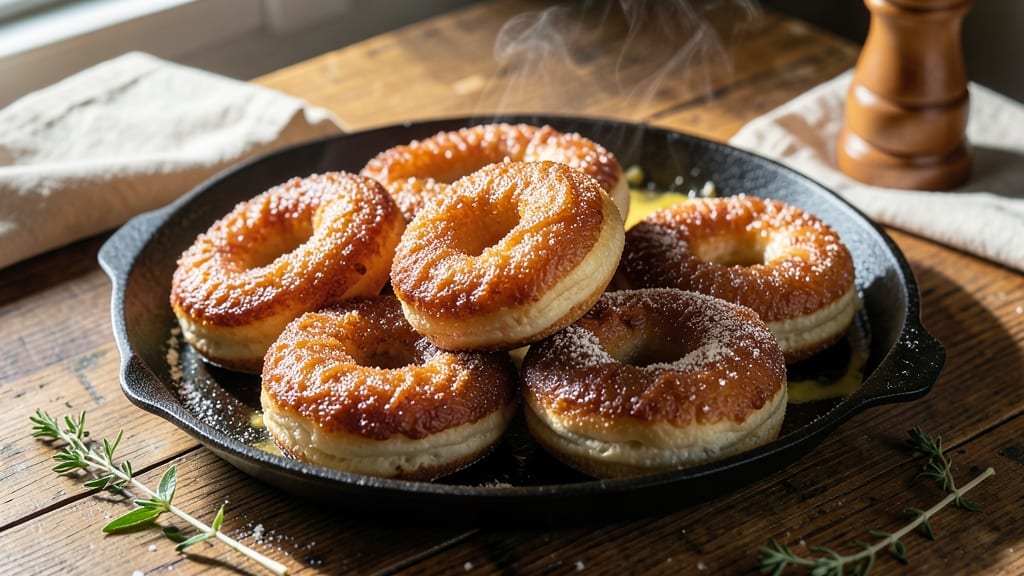
This 1915 potato donut recipe brings back the nostalgic, bite-sized comfort of Depression-era kitchens—where simple ingredients created unforgettable treats. The secret lies in grated potatoes mixed into the dough, giving these donuts their signature tender crumb and subtle sweetness.
I first tried this recipe after reading about how families stretched every ingredient during hard times, and it became an instant classic in my home.
The dough is light yet sturdy, thanks to the potato's natural moisture and starch, which creates a delicate texture that holds up perfectly when fried. These donuts aren’t just about nostalgia—they’re foolproof, requiring no special skills beyond basic frying and a sprinkle of cinnamon sugar.
The aroma of freshly fried donuts filling your kitchen is pure magic, and the first bite delivers that perfect balance of crispy edges and soft centers.
What makes these donuts special is their versatility—they’re just as delicious dusted with powdered sugar as they are glazed with a simple vanilla drizzle.
Serve them warm with a cup of coffee or tea for a taste of history, or let the kids help roll them in cinnamon sugar for a fun, interactive treat. This recipe is a testament to how resourcefulness and a little creativity can turn simple ingredients into something extraordinary.
Perfect for breakfast, dessert, or even a mid-afternoon pick-me-up, these potato donuts prove that comfort food doesn’t have to be complicated. The method is straightforward, and the results are always impressive—whether you’re recreating a piece of history or just craving a classic treat. Let’s get started!
Ingredients for 1915 potato donut
Simple ingredients that transform into nostalgic, bite-sized comfort with just a few key tricks.
| Ingredient | Amount | Notes |
|---|---|---|
| Russet Potatoes 🥔 | 2 medium | Grate finely, peel first |
| All-Purpose Flour 🌾 | 3 cups | Sifted for light texture |
| Granulated Sugar 🍚 | ½ cup | White sugar preferred |
| Unsalted Butter 🧈 | ½ cup | Softened, not melted |
| Large Eggs 🥚 | 2 whole | Room temperature |
| Active Dry Yeast 🍞 | ½ tsp | Or 1 packet instant yeast |
| Warm Water 💧 | ½ cup | 110°F for yeast activation |
| Salt 🧂 | 1 tsp | Fine sea salt preferred |
| Vegetable Oil 🫒 | 2 cups | For frying, 350°F |
| Powdered Sugar 🍚 | ½ cup | For dusting, plus extra |
| Ground Cinnamon 🌶️ | 1 tbsp | For cinnamon sugar mix |
The potatoes are the star here—Russet is ideal for its dry, starchy texture, but Yukon Gold works too. Grate them yourself (the food processor method works best) for that authentic Depression-era texture. Skip the pre-grated—it’s too wet and dense. Look for potatoes that feel firm and heavy for their size; those lightweight ones are past their prime. I always buy a few extra to have on hand for this recipe, and they keep beautifully in a cool, dark pantry for 2-3 weeks.
No yeast? Baking powder at 2 tsp can substitute, but the texture won’t be quite the same—these rely on that gentle rise. The butter should be soft but not melted; if it’s too warm, pop it in the fridge for 10 minutes. For the cinnamon sugar, Trader Joe’s has the best pre-mixed version, but DIY is easy—just toss powdered sugar with cinnamon. The oil for frying matters too: vegetable or canola are classic, but peanut oil works if you’re making a big batch. Just keep it at 350°F—any hotter and they’ll burn before cooking through.
The dough keeps for 24 hours in the fridge, covered tightly, but it’s best used fresh. If you’re making ahead, shape the donuts and freeze them on a parchment-lined tray before dusting with sugar—just fry straight from frozen, adding a minute or two. These reheat beautifully too: wrap in a clean towel and warm in a 200°F oven for 5 minutes. Store leftovers in an airtight container for 3 days, though I’ve never had them last that long—they disappear fast!
Why You'll Love This Recipe
- No-Fuss Batter: I swear, this dough comes together faster than I can boil water. Just grate the potatoes, mix them with flour and eggs—no fancy techniques, no waiting for dough to rise. Honestly, I’ve made these while chatting on the phone, and they still turn out golden and perfect.
- Crispy-Creamy Magic: That first bite? Crispy outside, pillowy inside—like a hug from your grandma’s kitchen. The butter and sugar caramelize just enough to give them a subtle sweetness, but don’t worry, they’re not cloying. It’s the kind of flavor that makes you want to eat them straight from the pan.
- Breakfast or Dessert: Serve them warm with maple syrup for a weekend brunch, or dust them with powdered sugar for a quick dessert. I’ve even thrown them in a lunchbox with a sprinkle of cinnamon—kids (and adults) devour them either way. Versatile enough to fit any meal, yet simple enough to keep things easy.
- Budget-Friendly Staples: Russets and flour? Always in my pantry. Eggs and butter? Cheap in bulk. This recipe stretches my grocery budget without sacrificing taste. Plus, the dough keeps well in the fridge, so I can make a big batch and freeze extras—no wasted ingredients, just pure donut satisfaction.
Step-by-step instructions for 1915 potato donuts
Here's how to make these classic bite-sized donuts with a light, fluffy center and crispy exterior.
Prepare the Potato Base
Peel the 2 medium Russet Potatoes and grate them using the fine holes of a box grater. Place the grated potatoes in a clean kitchen towel and squeeze out all excess moisture by twisting and wringing the towel. This step is crucial—too much moisture will make your donuts dense instead of light and airy.
Transfer the drained potato to a mixing bowl and let it sit for 10 minutes while you prepare the remaining ingredients. This resting time allows any residual moisture to evaporate, which prevents the dough from becoming gummy. The potatoes should feel dry to the touch before proceeding.
Mix the Dough
In a separate large bowl, combine the 3 cups All-Purpose Flour, 0.5 cup Granulated Sugar, 1 tsp Salt, and 0.5 tsp Active Dry Yeast. Whisk these dry ingredients together until evenly distributed—this ensures consistent flavor and texture throughout the dough.
Make a well in the center of the dry ingredients and add the 2 whole Large Eggs, 0.5 cup Unsalted Butter (softened), and the drained grated potatoes. Using a wooden spoon or rubber spatula, gently mix everything together until just combined. Avoid overmixing—you want to preserve the air pockets created by the yeast for a light texture. The dough should be thick but workable, similar to a soft cookie dough.
Chill and Shape the Donuts
Cover the mixed dough with plastic wrap and refrigerate for at least 1 hour or up to 24 hours. Chilling allows the gluten to relax and makes the dough easier to handle. It also helps the donuts hold their shape during frying, preventing them from spreading too much.
Once chilled, preheat your deep fryer or heavy pot to 350°F using the 2 cups Vegetable Oil. Line a plate with paper towels for draining. Using a small cookie scoop or tablespoon, portion the dough into 1-inch balls (about 1 tablespoon each) and place them on a parchment-lined baking sheet. Gently flatten each ball into a ½-inch thick round shape—this ensures even cooking and a classic donut shape.
Fry to Golden Perfection
Carefully slide 2-3 donuts into the hot oil using a slotted spoon or spider strainer. Fry for 2-3 minutes per side until they turn a deep golden brown color. You'll know they're done when they float to the surface and maintain their shape without collapsing. Avoid overcrowding the pot—this lowers the oil temperature and results in greasy donuts.
Transfer the fried donuts to the prepared paper towel-lined plate to drain excess oil. Repeat with the remaining dough, working in small batches to maintain the oil temperature. The donuts should be crispy on the outside with a soft, fluffy interior. If they brown too quickly, reduce the heat slightly to 325°F for the next batch.
Coat and Serve
While the donuts are still warm, prepare the cinnamon sugar coating by mixing the 0.5 cup Powdered Sugar with the 1 tbsp Ground Cinnamon in a shallow bowl. Immediately after frying, roll each donut in the cinnamon sugar mixture until fully coated. The residual heat from the donuts will help the coating adhere perfectly.
Serve the donuts warm for the best texture and flavor. They're best enjoyed fresh from the fryer, with their crispy exterior giving way to a light, airy interior. Store any leftovers in an airtight container at room temperature for up to 3 days, though they're unlikely to last that long!
Pro Tips For Making 1915 Potato Donut
- GRATE POTATOES COLD: Russet potatoes release more starch when cold, which means your donuts won’t turn gummy. Grate them straight from the fridge—no need to peel first, just scrub and slice. (I learned this the hard way after making a batch that fell apart like wet paper.)
- CHILL THE DOUGH: Give the potato-flour mixture at least 30 minutes in the fridge before frying. This keeps the sugar from caramelizing too fast and gives you crispier edges. (Yes, even if you’re impatient like me.)
- USE A THERMOMETER: The oil needs to be 350°F—any hotter and your donuts burn before they cook through. A cheap thermometer saves you from guessing and ruined batches. (I burned three before I cracked open my wallet for one.)
- DREDGE IN FLOUR FIRST: Roll each donut in flour before dipping in batter—it creates a lighter, crispier shell. Skip this, and you’ll end up with dense, soggy donuts. (Sounds weird, but it works.)
Creative variations of this 1915 potato donut
Depression-Era Twist
These potato donuts were born from necessity during the Great Depression, when families stretched ingredients to create satisfying meals. The potatoes added moisture and structure without extra cost—Russets were cheap and abundant.
I love how this version uses 1 tablespoon of sugar instead of today’s standard ½ cup, proving sweetness isn’t about quantity but balance. 🥔
Southern-Style Adaptation
In the American South, these donuts often included 1 teaspoon of vanilla extract in the dough for depth. For a regional twist, swap the cinnamon sugar for a mix of powdered sugar and nutmeg, then drizzle with warm maple syrup before serving.
This version became popular in Appalachian communities where maple was plentiful.
Modern Glaze Upgrade
For a contemporary touch, replace the cinnamon sugar with a vanilla glaze made from ½ cup powdered sugar, 1 tablespoon milk, and ½ teaspoon vanilla.
Brush it on warm donuts for a restaurant-quality finish. I often add crushed peppermint for a festive holiday version—kids love the contrast of sweet and minty. ✨
Savory Potato Donuts
Skip the sugar entirely and season the dough with 1 teaspoon garlic powder and ½ teaspoon onion powder. After frying, toss in crushed paprika and sea salt for a savory snack perfect with beer or coffee. This Depression-era hack was common in rural kitchens where sweets were scarce. 🌶️
Mini Donut Bites
Cut the dough into ½-inch cubes instead of balls for bite-sized donut holes. Fry them in 325°F oil for 1-2 minutes until golden. Roll in cinnamon sugar or chocolate sprinkles for a fun, kid-friendly treat. These disappear in minutes—great for parties or quick breakfasts. 💫
Yeast-Free Version
For a no-yeast adaptation, replace the yeast with 2 teaspoons baking powder and ½ teaspoon baking soda. The texture will be denser but still delicious. I’ve tested this with Yukon Gold potatoes for extra creaminess—it’s a game-changer for those short on time. 💡
Nutrition facts
Frequently asked questions
Why do these potato donuts need to chill before frying?
Chilling the dough for at least 1 hour relaxes the gluten, which prevents the donuts from spreading too much in the oil. It also helps the potato starch set properly, giving you that perfect crispy exterior with a tender center. Skipping this step often results in flat, greasy donuts.
Can I use sweet potatoes instead of Russets?
Not ideal! Sweet potatoes have more moisture and natural sugars that alter the dough's texture. Stick with Russets or Yukon Golds—their starchy, dry composition is key for that classic Depression-era bite. If you're desperate, try a 50/50 mix with regular potatoes, but expect slightly denser results.
How do I fix donuts that sink in the oil?
If your donuts sink instead of floating, the dough likely has too much moisture. Check your potato grating—squeeze out every last drop of liquid. Also ensure your oil is at 350°F (use a thermometer!) and don't overcrowd the pot. For sunken donuts, fry them a few seconds longer until they puff up.
What's the best way to reheat leftover potato donuts?
Wrap them in a clean kitchen towel and warm in a 200°F oven for 5-7 minutes. The towel prevents sogginess while restoring crispiness. Microwaving works in a pinch (10 seconds), but they'll lose their crunch. For extra crisp, pop them in the air fryer at 350°F for 2 minutes—just watch closely!
Can I make these donuts without a deep fryer?
Use a heavy-bottomed pot with 2 inches of oil and maintain 350°F with a candy thermometer. For a lighter option, bake at 375°F for 12-15 minutes on a parchment-lined sheet, brushing with oil halfway. Baked versions won't be as crispy but still delicious with cinnamon sugar.