
Side Dishes
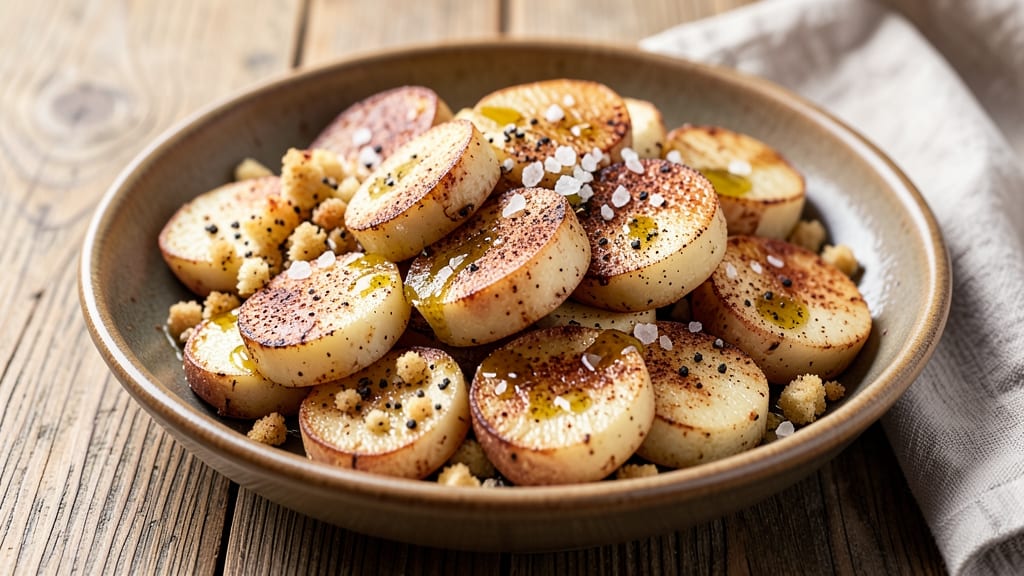
Roasting white-fleshed sweet potatoes transforms their natural sweetness into caramelized perfection—tender inside, crispy edges, and a velvety texture that pairs beautifully with savory mains. The secret lies in high-heat roasting, which concentrates their sugars into a rich, buttery finish without turning them mushy.
Unlike their orange counterparts, white sweet potatoes have a milder, almost nutty flavor that absorbs seasonings effortlessly, making them incredibly versatile for holiday tables or weeknight dinners.
This recipe delivers restaurant-quality results with just three key steps: parboiling for even cooking, a precise seasoning blend of olive oil and smoked paprika, and a 400°F roast until fork-tender.
The parboiling ensures they cook through while maintaining their shape, and the seasoning creates a crispy, golden-brown exterior that contrasts beautifully with the creamy interior. Unlike traditional recipes that rely on heavy syrups, this method lets the sweet potatoes shine with their natural sweetness enhanced by simple spices.
What you'll end up with is a side dish that's equally impressive as a main course—imagine golden, caramelized sweet potatoes with tender, fluffy centers that melt in your mouth. The aroma alone will have everyone anticipating dinner, and the texture provides that satisfying contrast between crispy edges and buttery insides.
This recipe works beautifully as a standalone side, alongside grilled meats, or even as a base for loaded sweet potato casseroles.
For those looking to elevate their holiday spread or add a nutritious, flavorful side to any meal, this white-fleshed sweet potato recipe is your answer. The method is foolproof and adaptable, allowing you to customize seasonings to your taste while guaranteeing perfect results every time.
Let's get started on creating this showstopping side dish that will have everyone asking for seconds.
Ingredients for white flesh sweet potato
Restaurant-quality roasting begins with these nine essential ingredients for velvety sweet potatoes.
| Ingredient | Amount | Notes |
|---|---|---|
| White-Fleshed Sweet Potatoes 🍠 | 2 lb | Medium-sized, uniform pieces cut |
| Extra-Virgin Olive Oil 🫒 | ¼ cup | High-quality, fruity variety |
| Smoked Paprika 🌶️ | 1 tbsp | For deep, smoky flavor |
| Kosher Salt 🧂 | 1 ½ tsp | Diamond Crystal preferred |
| Ground Black Pepper 🌶️ | ½ tsp | Freshly ground for best flavor |
| Garlic Powder 🧄 | ½ tsp | Not garlic salt |
| Ground Cinnamon 🌿 | ¼ tsp | Optional, for warmth |
| Fresh Rosemary 🌿 | ¼ cup | Chopped, stems removed |
| Fresh Thyme 🌿 | ⅛ cup | Chopped, stems removed |
White-fleshed sweet potatoes are the foundation—look for firm, blemish-free tubers at specialty markets like Whole Foods or Trader Joe's, where the selection is superior to conventional grocery stores. The mild, nutty flavor shines when roasted, but organic varieties ensure richer taste and better texture. Cut into even 1.5-inch pieces before parboiling; uniformity guarantees consistent doneness. For the best results, avoid sweet potatoes with soft spots or green patches, as these indicate spoilage or exposure to light.
Smoked paprika is non-negotiable for that authentic caramelized depth—Penzeys or McCormick brands deliver consistent quality. Substitute with regular paprika in a pinch, but reduce to 0.75 tbsp if you prefer milder flavor. Fresh herbs elevate the dish: rosemary and thyme from the grocery store's produce section should be fragrant and green, not wilted. For olive oil, California extra-virgin brands like Corto or Otto provide the right balance of fruity notes without overpowering the sweet potatoes. If you're missing garlic powder, freshly minced garlic (2 cloves) offers superior flavor, though it requires prep time.
Roasted sweet potatoes keep best when stored in an airtight container in the refrigerator for up to 5 days, though they're most flavorful within the first 2 days. For longer storage, freeze in a single layer on a tray before transferring to a bag—this prevents clumping. Reheat in a 350°F oven for 10-15 minutes to restore crispiness. The parboiling step is critical: don't skip it, as it ensures even cooking and prevents a gummy texture. For holiday prep, double the batch and reheat portions as needed—they reheat beautifully while maintaining their caramelized edges.
Why You'll Love This Recipe
- One-Pan Magic: I swear by this recipe when I’m too tired to scrub pots—just slice those sweet potatoes, toss with olive oil and smoked paprika, and let the oven do the work. No cutting boards, no mess, just golden perfection.
- Smoky Sweetness Bomb: That smoked paprika? It’s the star. The white flesh stays creamy inside while the edges get this irresistible crisp, and the salt and pepper make every bite feel like a little flavor upgrade. Honestly, I’ll take this over fries any day.
- Meal Prep MVP: Roast a big tray on Sunday, and you’ve got snacks, sides, or even a quick lunch for the week. Toss them cold in salads, reheat for breakfast hash, or just grab a handful straight from the fridge—it’s that easy.
- Budget-Friendly Staple: Sweet potatoes are cheap, and this recipe stretches them far. A single bag lasts me forever, and the olive oil and spices cost pennies compared to takeout. Plus, leftovers taste just as good the second time around.
Step-by-step instructions for roasted white-fleshed sweet potatoes
Transform humble sweet potatoes into caramelized, aromatic perfection with this precise roasting method.
Prepare the Sweet Potatoes for Even Cooking
Preheat your oven to 425°F with the rack positioned in the middle position. The high heat ensures rapid browning while maintaining tender interiors. While the oven heats, peel the 2 lb white-fleshed sweet potatoes and cut them into 1-inch thick rounds or chunks, ensuring uniform size for even cooking. I prefer rounds because they develop crisp edges while staying moist inside.
Place the cut sweet potatoes in a large bowl and toss them gently with 0.25 cup extra-virgin olive oil until each piece is lightly coated. This oil not only prevents drying but also carries the flavors of the herbs and spices into the flesh. The high-quality olive oil adds a subtle fruity note that complements the earthy sweetness of the potatoes.
Season with Herbs and Spices
In a small bowl, combine 1 tbsp smoked paprika, 1.5 tsp kosher salt, 0.5 tsp ground black pepper, 0.5 tsp garlic powder, and 0.25 tsp ground cinnamon. The smoked paprika adds depth while the cinnamon provides subtle warmth—both essential for balancing the sweetness. Sprinkle this mixture evenly over the oiled sweet potatoes and toss gently to ensure complete coverage.
Next, add 0.25 cup chopped fresh rosemary and 0.125 cup chopped fresh thyme, tossing again until the herbs cling to the potatoes. The fresh herbs will infuse the oil as they roast, creating an aromatic crust. I like to press the herbs into the cut surfaces slightly—this ensures maximum flavor transfer during roasting. Let the seasoned potatoes rest for 10 minutes at room temperature while the oven finishes preheating.
Roast Until Caramelized and Tender
Spread the seasoned sweet potatoes in a single layer on a rimmed baking sheet lined with parchment paper. The parchment prevents sticking and makes cleanup effortless. Roast for 25-30 minutes, stirring once halfway through, until the edges are deeply caramelized and the flesh yields slightly when pierced with a fork. The potatoes should develop a golden-brown crust that contrasts beautifully with their creamy interiors.
Real talk: your oven might run hot, so start checking at the 20-minute mark. The ideal sweet potato will have a crisp exterior that gives way to tender, almost custard-like flesh inside. If they brown too quickly, tent the pan with foil for the last 5 minutes to prevent over-browning while finishing cooking. The caramelization happens in the final minutes, so don't rush this step.
Rest and Serve with Maximum Flavor Impact
Transfer the roasted sweet potatoes to a serving platter and let them rest for 5 minutes before serving. This resting period allows the juices to redistribute, preventing them from leaking out when you cut into them. The potatoes will continue to steam slightly, finishing their transformation into perfectly tender morsels.
Serve immediately while still warm, garnished with additional fresh thyme if desired. The contrast between the crispy edges and creamy centers creates an ideal texture profile. These roasted sweet potatoes pair beautifully with grilled meats, salads, or as a standalone vegetable dish. The combination of smoky, herbal, and slightly sweet flavors makes them a versatile centerpiece for any meal.
Pro Tips For Making White Flesh Sweet Potato
- CUT UNIFORM SLICES: White-fleshed sweet potatoes cook unevenly if chunks vary in size—aim for ½-inch thick slices, no thicker. I learned this the hard way when one side burned while the center stayed raw; consistency is everything here.
- SALT BEFORE OIL: Toss the sliced sweet potatoes with kosher salt before drizzling olive oil—it helps draw out moisture so the skin crisps better. Skip this, and you’ll end up with soggy edges no matter how hot your pan gets.
- LOW AND SLOW FIRST: Start roasting at 375°F (not 425°F) for the first 15 minutes—this builds a foundation so the paprika sticks and caramelizes instead of burning. I used to blast them at high heat, and they’d turn bitter before getting tender.
- REST UNDER FOIL: After roasting, tent with foil for 5 minutes—this traps steam and keeps the flesh creamy while the skin stays crisp. Ignore this, and the slices dry out by the time you plate them. (Yes, even if you’re impatient like me.)
Creative variations of white flesh sweet potato
Global Sweet Potato Styles
White-fleshed sweet potatoes shine differently around the world. In Japan, they're often steamed and served with a drizzle of mirin and soy glaze, creating a delicate balance of sweet and umami.
For a taste of the Caribbean, try roasting them with scotch bonnet peppers, lime zest, and a sprinkle of thyme—the heat and citrus cut through the natural sweetness beautifully. 🌶️
In West Africa, white sweet potatoes are mashed with palm oil, peanut butter, and chili powder for a rich, hearty dish called fufu.
For a Mediterranean twist, roast them with rosemary, lemon zest, and a touch of honey—this version pairs perfectly with grilled lamb or fish. Each approach highlights the potato's versatility while keeping the focus on its natural sweetness.
Sweet Potato Casserole Twist
Transform this recipe into a creamy casserole by layering roasted sweet potatoes with a mixture of sour cream, sharp cheddar cheese, and a sprinkle of brown sugar.
Top with pecans and cinnamon before baking at 375°F for 15 minutes until bubbly. This Southern-style dish is a crowd-pleaser for holidays or family dinners.
For a vegan version, swap the sour cream for cashew cream and use nutritional yeast instead of cheese. The texture remains rich and creamy while keeping it plant-based. Add maple syrup for extra sweetness if desired—this works wonderfully as a side or even a dessert-like main course. 🌱
Breakfast Sweet Potato Hash
Start your day with a savory breakfast hash by dicing the roasted sweet potatoes into ½-inch cubes and pan-frying them with crispy bacon, red onion, and bell peppers.
Top with a fried egg and hot sauce for a hearty morning meal. The smoky flavors from the roasting carry through, making this a satisfying way to repurpose leftovers.
For a sweet breakfast option, mash the roasted sweet potatoes and mix with Greek yogurt, vanilla extract, and a touch of maple syrup. Serve with toasted walnuts and a sprinkle of cinnamon—this tastes like dessert but works as a nutritious breakfast.
It’s a great way to use up extra sweet potatoes without waste. 🥞
Global-Inspired Toppings
Elevate your roasted sweet potatoes with global-inspired toppings. For a Korean-inspired dish, drizzle with gochujang, sesame oil, and scallions. The spicy, tangy sauce adds a bold contrast to the sweet potatoes' natural sweetness. A sprinkle of toasted sesame seeds adds crunch and depth. 🌟
For a Mexican-inspired version, top with avocado slices, crumbled cotija cheese, and cilantro. Add a squeeze of lime and a pinch of tajín for a zesty, creamy finish.
This combination turns a simple side into a vibrant, flavorful dish perfect for taco nights or as a standalone appetizer.
Nutrition facts
Frequently asked questions
What's the difference between white-fleshed and orange sweet potatoes?
White-fleshed sweet potatoes have a milder, almost nutty flavor compared to their orange counterparts, which are sweeter and more moist. The white variety also has a firmer texture when cooked, making them ideal for roasting with crispy edges. Nutritionally, they contain slightly less beta-carotene but more fiber and vitamin C.
Can I substitute orange sweet potatoes in this recipe?
You can use orange sweet potatoes, but they'll be sweeter and softer when roasted. For best results, reduce the roasting time by 5 minutes and watch closely to avoid overcooking. The flavor profile will shift toward caramelized sweetness rather than the smoky, herby notes of white-fleshed potatoes.
Why do my roasted sweet potatoes turn out mushy?
Mushy sweet potatoes usually mean they were overcooked or cut too small. Always use 1-inch thick pieces and roast at 425°F for 25-30 minutes. The parboiling step (if skipped) also causes uneven cooking. For extra crispiness, spread them in a single layer and avoid overcrowding the pan.
How can I make these sweet potatoes ahead of time?
Roast them as directed, then store in an airtight container in the fridge for up to 5 days. Reheat at 350°F for 10-15 minutes to restore crispiness. For longer storage, freeze in a single layer before transferring to a bag—thaw overnight in the fridge before reheating.
What's the best way to serve these as a main dish?
Turn them into a hearty meal by adding black beans, avocado slices, and a sprinkle of feta cheese. Top with a lime crema (Greek yogurt + lime zest + salt) for a vibrant, protein-packed bowl. For a savory twist, serve with grilled chicken and a side of charred corn for a complete dinner.