
Side Dishes
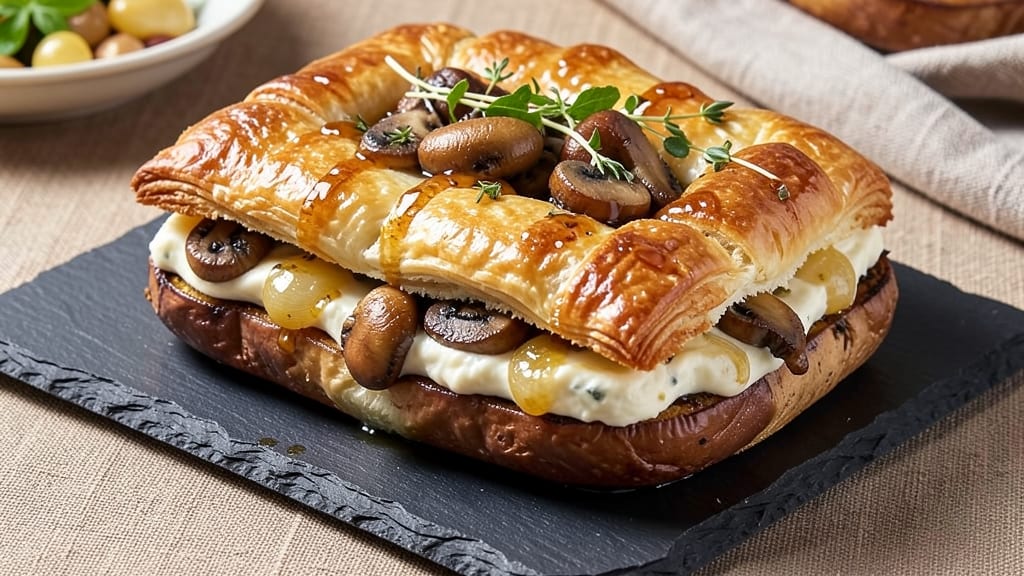
This sweet potato Wellington recipe transforms humble sweet potatoes into an elegant centerpiece with layers of savory-sweet filling encased in golden puff pastry. The secret lies in roasting the sweet potatoes until tender and caramelized, then combining them with earthy mushrooms, chestnuts, and fresh herbs for depth.
Every bite delivers a perfect balance of creamy potato and flaky crust, making it feel like a restaurant-worthy dish without the fuss.
The process starts with roasting sweet potatoes until their edges turn crisp and their centers melt into velvety sweetness. While they cook, mushrooms and chestnuts develop rich, nutty flavors that complement the potatoes beautifully.
The filling is then wrapped in puff pastry, brushed with egg wash, and baked until golden and irresistible. This dish is perfect for special occasions or when you want to elevate a simple side into something extraordinary.
What makes this Wellington truly special is how the flaky pastry contrasts with the tender filling, creating a textural experience that’s both satisfying and impressive. The aroma of roasted sweet potatoes and herbs fills the kitchen as it bakes, promising a dish that’s as delicious as it is visually stunning.
Serve it with a simple green salad or rich gravy to complete the meal.
With just a few key ingredients and straightforward steps, you’ll achieve restaurant-quality results that will have everyone asking for seconds. The technique is approachable yet refined, making it ideal for both confident cooks and those looking to impress. Let’s get started on creating this showstopper dish.
Ingredients for sweet potato wellington
Transform humble sweet potatoes into an elegant Wellington with these carefully selected ingredients.
| Ingredient | Amount | Notes |
|---|---|---|
| Sweet Potatoes 🍠 | 2 large | Organic preferred, peeled and cubed |
| Puff Pastry 🥧 | 1 sheet | Store-bought, thawed if frozen |
| Cream Cheese 🧀 | 4 oz | Room temperature, full-fat preferred |
| Shallots 🧅 | 2 whole | Finely chopped, fresh preferred |
| Wild Mushrooms 🍄 | 8 oz | Mixed variety, sliced thin |
| Chestnuts 🌰 | ½ cup | Vacuum-packed, peeled and chopped |
| Fresh Thyme 🌿 | 2 tbsp | Leaves only, finely chopped |
| Fresh Sage 🌿 | 1 tbsp | Chopped, for aromatic depth |
| Extra-Virgin Olive Oil 🫒 | 2 tbsp | High-quality, fruity variety |
| Unsalted Butter 🧈 | 2 tbsp | Cold, for pastry brushing |
| Large Eggs 🥚 | 1 whole | For egg wash, beaten |
| Diamond Crystal Kosher Salt 🧂 | ½ tsp | Fine grain for seasoning |
| Freshly Ground Black Pepper 🌶️ | ¼ tsp | Cracked peppercorns preferred |
| Heavy Cream 🥛 | ¼ cup | For optional gravy pairing |
| Dijon Mustard 🍯 | 1 tsp | For filling binding |
The sweet potatoes are the foundation—organic varieties like Beauregard develop the best caramelized sweetness. Look for firm, unblemished tubers at Whole Foods or your local market. Puff pastry makes all the difference; Pepperidge Farm or Storebrand are reliable choices, but avoid overly thick sheets. For the mushrooms, wild varieties like shiitake or oyster add depth, but cremini or button mushrooms work in a pinch. Chestnuts should be vacuum-packed for convenience, but if using fresh, roast and peel them first—they're worth the extra effort for that nutty richness. Fresh herbs are non-negotiable here; thyme and sage from the grocery store's produce section should be vibrant green and free of wilting.
No cream cheese? Vegan cream cheese or mashed silken tofu works surprisingly well, though texture will differ slightly. Substituting mushrooms for lentils or walnuts keeps the dish vegetarian while maintaining structure. The Dijon mustard can be swapped for whole-grain mustard at half the amount if you prefer a stronger flavor. For the pastry, if you can't find puff pastry, homemade rough puff or even phyllo dough layered with butter can mimic the effect. The chestnuts are crucial for texture—if unavailable, toasted pecans or hazelnuts provide a similar crunch. Always taste the filling before wrapping; adjust salt to 0.25 tsp increments—the pastry will add its own flavor during baking.
Sweet potatoes and chestnuts can be prepped a day ahead and stored in the fridge for 24 hours before assembly. The assembled Wellington should rest uncovered in the fridge for 30 minutes before baking to prevent excess steam. Leftover filling can be baked in a dish for 3-4 days, but the pastry-wrapped version is best eaten fresh. For make-ahead convenience, bake the Wellington, cool completely, then wrap tightly in plastic wrap. It reheats beautifully in a 350°F oven for 10-15 minutes—just brush with extra egg wash before reheating for a golden finish. The aroma alone will make your kitchen smell like a Parisian bistro.
Why You'll Love This Recipe
- Puff Pastry Magic: I swear, the flaky layers on top are my secret weapon—no rolling, no fuss, just unfold, spread, fold, and bake. That golden crust is what turns a simple roast into something chef’s kiss.
- Umami Bomb: The shallots and wild mushrooms? They’re the real stars here. Earthy, rich, and just slightly funky—like a hug for your taste buds, but make it fancy. (Yes, even on a Tuesday night.)
- Weeknight Wonder: Roast the sweet potatoes while you prep the filling—multitasking at its finest. Between us, this is the dish I make when I’ve had enough of takeout menus but still want to feel like I’ve done something.
Step-by-step instructions for sweet potato Wellington
Master this elegant dish with layers of savory-sweet filling wrapped in delicate puff pastry.
Roast the Sweet Potatoes Until Tender
Preheat your oven to 400°F. Toss the peeled and cubed sweet potatoes with 1 tablespoon of the extra-virgin olive oil, 0.25 teaspoon of the kosher salt, and 0.125 teaspoon of the black pepper. Spread them on a baking sheet in a single layer, ensuring they don't overlap. Roast for 25-30 minutes until fork-tender with caramelized edges.
Here's the thing—don't skip the tossing. The oil helps develop those sweet, nutty flavors while preventing sticking. You'll know they're done when a knife slides in easily and the edges turn golden brown. Remove them from the oven and let cool slightly before proceeding.
Sauté the Mushrooms, Shallots, and Chestnuts
In a large skillet, heat 1 tablespoon of the extra-virgin olive oil over medium heat. Add the sliced wild mushrooms and cook for 5-6 minutes until they release their moisture and develop deep brown spots. Transfer them to a paper towel-lined plate to drain excess liquid.
In the same skillet, add 1 tablespoon of the unsalted butter and the finely chopped shallots. Sauté for 3-4 minutes until softened and translucent. Add the chopped chestnuts and cook for another 2 minutes until heated through. Stir in the fresh thyme and sage, cooking for 30 seconds until fragrant. This aromatic base forms the flavor foundation of your Wellington.
Create the Filling Mixture
In a mixing bowl, combine the room temperature cream cheese, 1 teaspoon of Dijon mustard, and the roasted sweet potatoes. Mash the sweet potatoes slightly with a fork until you achieve a chunky consistency with some texture remaining. This prevents the filling from becoming too dense.
Add the sautéed mushroom-shallot-chestnut mixture to the bowl and gently fold everything together. The cream cheese acts as a binder, creating a cohesive filling that won't fall apart when wrapped. Season with remaining 0.25 teaspoon of kosher salt and 0.125 teaspoon of black pepper. Taste and adjust seasoning if needed—this is your chance to balance the sweetness of the potatoes with the earthy mushrooms.
Assemble and Seal the Wellington
Roll out the puff pastry sheet on a lightly floured surface to create a 12x15-inch rectangle. Transfer the filling mixture to the center of the pastry, leaving a 2-inch border around the edges. The filling should be spread into a 10x12-inch rectangle for even coverage.
Fold the long sides of the pastry over the filling, then fold the short ends inward to completely enclose the filling. Press gently to seal, using a bit of beaten egg as glue for any tricky spots. The pastry should form a neat, rectangular package. Here's where precision matters—trim any excess pastry to create clean edges before proceeding.
Bake Until Golden and Flaky
Place the assembled Wellington on a parchment-lined baking sheet. Brush the top generously with the beaten egg using a pastry brush, then sprinkle with a pinch of kosher salt. Bake at 400°F for 25-30 minutes until the pastry is golden brown and crisp all over.
This is the moment that matters: the pastry should be deeply golden with crisp, flaky layers. If it browns too quickly, tent with foil to prevent burning. Remove from the oven and let rest for 10 minutes before slicing—this crucial resting period allows the filling to set and makes for cleaner cuts. The Wellington will be warm inside with perfectly caramelized edges and that signature flaky texture we're after.
Pro Tips For Making Sweet Potato Wellington
- ROAST SWEET POTATOES COLD: Sweet potatoes straight from the oven lose shape when wrapped in puff pastry. Let them cool completely—even 30 minutes on a wire rack—before assembling. Warm filling is fine, but cold spuds stay intact.
- BRUSH PASTRY WITH EGG WASH: Skip water or milk—use a mix of 1 egg yolk + 1 tablespoon heavy cream for that golden, crisp finish. Brush it on after sealing the edges but before baking, and don’t rush the last 5 minutes in the oven.
- SAUTE SHALLOTS LOW AND SLOW: Shallots burn faster than you’d think. Cook them in butter on medium-low for 8–10 minutes until soft and translucent, stirring occasionally. Overheating turns them bitter—trust the timer, not the color.
- PRESS PASTRY SEALS FLAT: Fold the puff pastry edges inward with your fingers, then press firmly with a fork or the tines of a knife to create a tight, even barrier. This keeps filling from leaking and ensures a clean slice—no messy surprises when serving.
Regional styles of these flavors
British Classic
The original Sweet Potato Wellington traces back to British pub kitchens, where chefs adapted the classic beef Wellington concept by replacing game meat with roasted sweet potatoes. The British version often includes chestnut purée instead of just chopped chestnuts, creating a smoother texture.
I've seen traditional recipes call for puff pastry wrapped around a sweet potato and mushroom duxelles, sometimes with a splash of red wine in the filling for depth. The dish became popular in cozy British gastropubs during autumn, served with red wine gravy and buttered greens. 🍷
Southern U.S. Twist
In the American South, this dish gets a heartier, slightly sweeter makeover. Chefs often add pecans or candied pecans to the filling for crunch and sweetness, while sweet potato pie spice (cinnamon, nutmeg, ginger) is sprinkled into the filling before baking.
The Southern version might also include smoked bacon or andouille sausage for a meaty element, transforming it into a sweet-and-smoky hybrid. I've made this variation with brown sugar glaze drizzled over the baked Wellington for extra caramelized sweetness. 🌶️
French Bistrot Style
French chefs elevate this dish with duxelles (finely chopped mushrooms cooked down with shallots) and foie gras or duck confit mixed into the filling for luxury. The French version often uses pâte feuilletée (flaky puff pastry) and incorporates fresh tarragon and black truffle for an earthy, aromatic twist.
I've adapted this style by adding crème fraîche to the filling for tanginess, balancing the sweet potatoes beautifully. The dish is typically served with red Bordeaux and buttered endives for a refined bistro experience. 🥖
Modern Fusion Approach
Today's creative chefs are putting their own spin on the Wellington. One trendy variation replaces chestnuts with roasted butternut squash and adds goat cheese to the filling for tangy contrast.
Another fusion style incorporates kimchi or pickled jalapeños for a spicy kick, while vegan versions use cashew cream instead of cream cheese. I've experimented with miso-glazed mushrooms in the filling, adding umami depth that pairs perfectly with the sweet potatoes.
These modern twists keep the dish exciting while staying true to its comforting roots. 🌟
Nutrition facts
Frequently asked questions
Can I make this Wellington ahead of time?
Assemble the Wellington and refrigerate it uncovered for 30 minutes before baking. For make-ahead convenience, bake it completely, cool, then wrap tightly in plastic. Reheat in a 350°F oven for 10-15 minutes, brushing with egg wash first for that golden finish. The flavors actually improve overnight!
What's the secret to flaky pastry?
Keep the puff pastry cold throughout assembly—never let it warm up! Use your hands to handle it as little as possible, and avoid overworking the dough. Brush with egg wash generously and bake at 400°F for maximum rise. If your pastry puffs unevenly, try rolling it slightly thicker in the center before baking.
Can I substitute ingredients if I don't have chestnuts?
Yes! For texture, use toasted pecans or hazelnuts instead. For a vegetarian option, try lentils or walnuts. If you want extra creaminess, add 1/4 cup ricotta cheese to the filling. The key is maintaining that nutty, earthy contrast to balance the sweet potatoes.
How do I prevent the filling from leaking?
Make sure your filling is properly chilled before wrapping, and seal the pastry edges tightly with egg wash. For extra insurance, place a sheet of parchment paper inside the pastry before adding the filling—this creates a barrier. Also, don't overfill; leave at least a 2-inch border all around. If you see filling oozing during baking, tent with foil.
What sides pair best with this Wellington?
For a classic pairing, serve with red wine gravy and buttered greens like spinach or asparagus. A crisp green salad with balsamic vinaigrette adds freshness, while roasted Brussels sprouts bring earthy contrast. For a heartier meal, add mashed potatoes or wild rice pilaf. The Wellington's richness works beautifully with both light and hearty accompaniments.