
Side Dishes
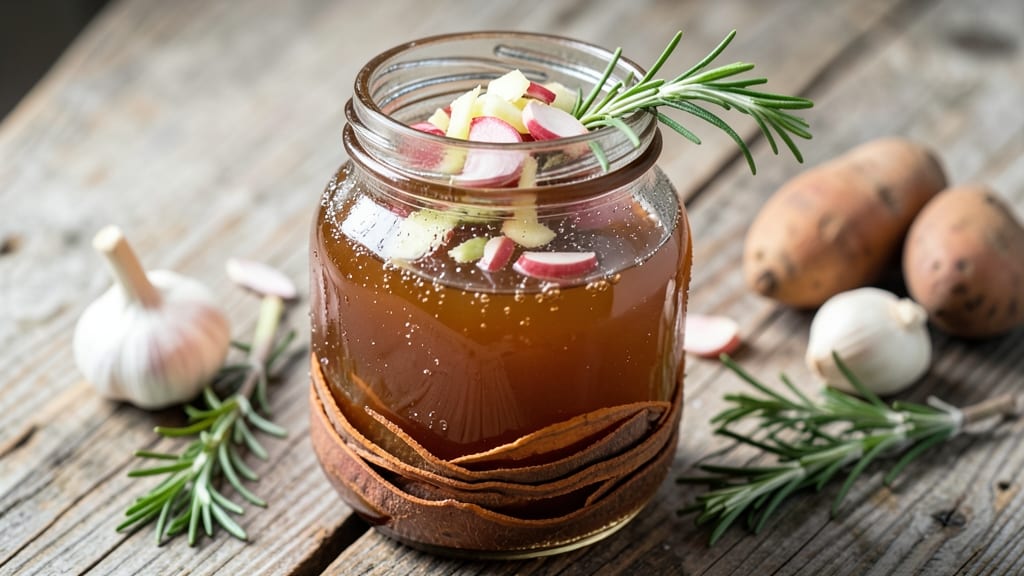
This sweet potato vinegar recipe transforms humble sweet potato peels into a vibrant, tangy condiment that elevates everything from salads to dips. The fermentation process unlocks a bright, slightly sweet acidity that pairs beautifully with savory dishes, and it’s surprisingly simple to make at home—no fancy equipment required.
What starts as a humble pile of peels becomes a complex, flavorful vinegar with just a few weeks of patience.
The process begins by soaking sweet potato peels in water to remove impurities, then transferring them to a jar with apple cider vinegar and a touch of salt to kickstart fermentation.
Over 4-6 weeks, the peels infuse the vinegar with their natural sweetness and earthy notes, creating a liquid that’s both tangy and subtly sweet. The result is a versatile condiment that’s perfect for drizzling over salads, mixing into dressings, or using as a marinade for meats and tofu.
What makes this recipe stand out is its vegan suitability and the way it transforms an often-discarded ingredient into something useful. The vinegar develops depth of flavor without bitterness, making it ideal for those who prefer a milder, fruitier acidity compared to traditional vinegars.
Plus, it keeps well in the fridge for months, so you’ll always have a homemade condiment on hand.
Once fermented, you can customize the vinegar with optional seasonings like garlic, ginger, or chili for added warmth and complexity. Whether you’re looking to reduce food waste or simply crave a unique, homemade condiment, this recipe delivers a bright, tangy balance that’s as practical as it is delicious.
Let’s get started!
Ingredients for sweet potato vinegar
Transform humble sweet potato peels into a vibrant, tangy condiment with just these eight ingredients.
| Ingredient | Amount | Notes |
|---|---|---|
| Sweet Potato Peels 🍠 | 2 cups | Organic preferred, washed thoroughly |
| Apple Cider Vinegar 🍏 | 2 cups | Raw, unfiltered preferred |
| Filtered Water 💧 | 2 cups | Room temperature preferred |
| Sea Salt 🧂 | 1 tsp | Fine grain preferred |
| Garlic Cloves 🧄 | 2 whole | Optional, for added depth |
| Fresh Ginger 🌿 | 1 tbsp | Grated, optional for warmth |
| Red Chili Flakes 🌶️ | ½ tsp | Optional, for heat |
| Raw Honey 🍯 | 1 tbsp | Substitute with maple syrup for vegan |
Sweet potato peels are the star here—organic is ideal since conventional ones might have wax coatings. Grab a few sweet potatoes from Trader Joe's or Whole Foods; their organic selection tends to have thicker, more flavorful peels. If you're using conventional, give them an extra rinse to remove any residue. The apple cider vinegar should be raw and unfiltered—look for brands like Bragg or Annie's at most grocery stores. Their cloudiness means more nutrients and better flavor infusion. For the optional garlic and ginger, fresh is always better, but if you're in a pinch, dried spices will work at half the amount.
No raw honey? Maple syrup or agave keeps it vegan while adding subtle sweetness. Short on peels? Use the entire sweet potato, diced—just adjust fermentation time to 6-8 weeks for deeper flavor. The salt kickstarts fermentation, but if you're using a vinegar with added salt (like some commercial brands), reduce to half a teaspoon. For the chili flakes, Aleppo pepper from Penzeys adds a smoky depth if you want to splurge. And if you're worried about the vinegar's acidity overpowering, don't—this method creates a balanced, fruity tang that's far milder than store-bought.
This vinegar develops over 4-6 weeks, so patience is key. Store it in a dark glass jar (like a mason jar) in a cool, dark place away from direct sunlight. Once fermented, it keeps for up to a year in the fridge. For convenience, portion into smaller jars—ice cube trays work great for single-serving drizzles. The longer it sits, the deeper the flavor, but it's ready to use after just 3 weeks if you're impatient. Pro tip: Shake the jar gently every few days to help the peels infuse faster.
Why You'll Love This Recipe
- I’ll be real: I used to toss sweet potato peels without a thought. Now? They’re the star of this tangy, garlicky vinegar—no guilt, no waste, just flavor. The peels steep right in the jar, turning scraps into something useful while you’re making dinner.
- Zero-Waste Win: I’ll be real: I used to toss sweet potato peels without a thought. Now? They’re the star of this tangy, garlicky vinegar—no guilt, no waste, just flavor. The peels steep right in the jar, turning scraps into something useful while you’re making dinner.
- Garlic-Kissed Tang: That first sip? Sharp, bright, and just a hint of sweetness from the peels. The apple cider vinegar gives it a deep, mellow bite, while the crushed garlic cloves add a slow-building warmth. It’s the kind of flavor that makes you pour more than you planned.
- Pantry Staple Power: This stuff doesn’t just sit on shelves—it works. Drizzle it over roasted veggies, mix it into dressings, or even use it as a quick marinade. Honestly, I’ve lost count of how many times I’ve reached for it when I forgot the balsamic. It’s my go-to for when I need something fast but still impressive.
Step-by-step instructions for sweet potato vinegar infusion
A bright, tangy vinegar that elevates salads and dips—here's how to make it with perfect balance.
Prepare the Sweet Potato Peels
Start by thoroughly washing the sweet potato peels under cool water to remove any dirt or debris. Organic peels are preferred as they're less likely to contain pesticides, but if you're using conventional sweet potatoes, a good scrubbing will do. Pat them completely dry with paper towels—any moisture left on the peels will dilute your vinegar infusion and slow down the flavor extraction process.
Next, cut the peels into ½-inch thick strips using a sharp knife. This size allows for maximum surface area exposure to the vinegar, ensuring a more robust flavor infusion. You should have about 2 cups of prepared peels at this stage. Place them in a clean glass jar with a tight-fitting lid, ready for the next step. The peels will impart a natural sweetness and earthy depth to your vinegar.
Combine Ingredients in the Jar
In the same jar with the prepared sweet potato peels, add the 2 cups of apple cider vinegar and 2 cups of filtered water. The vinegar provides the acidic base, while the water helps dilute the mixture to a more palatable consistency for dressings and dips. Give the jar a gentle shake to ensure all ingredients are well combined and the peels are fully submerged.
Now, add the 1 tsp of sea salt, 2 whole garlic cloves (lightly smashed to release their flavor), 1 tbsp of grated fresh ginger, and 0.5 tsp of red chili flakes. These optional ingredients add layers of flavor—garlic for depth, ginger for warmth, and chili flakes for a subtle kick. If you're sensitive to heat, you can omit the chili flakes or reduce the amount. Seal the jar tightly and give it another shake to distribute everything evenly.
Infuse for 3 to 5 Days
Store the jar in a cool, dark place—like a pantry or cupboard—for at least 3 days. The longer it infuses, the more complex and balanced the flavors will become. I like to give mine 5 days for a well-rounded taste, but you can taste it after 3 days if you're eager. The sweet potato peels will gradually release their natural sugars and earthy notes into the vinegar, creating a bright, tangy flavor profile that's perfect for dressings.
Shake the jar gently once a day to help the flavors meld. You'll notice the liquid turning a beautiful amber color as the peels infuse their goodness. After 3 days, strain the mixture through a fine-mesh sieve or cheesecloth into a clean bottle or jar. Press the peels gently to extract every last drop of flavor—don't worry about leaving some liquid behind, as the peels will continue to release flavor even after straining.
Sweeten and Store
Once strained, stir in the 1 tbsp of raw honey to balance the acidity with a touch of natural sweetness. This step is crucial for creating a well-rounded flavor that works beautifully in salads and dips. The honey also adds a subtle depth that complements the earthy sweetness of the sweet potato peels. Taste the vinegar at this stage—it should be bright, tangy, and slightly sweet with hints of garlic and ginger.
Transfer the infused vinegar to a clean, airtight bottle or jar for storage. Keep it refrigerated to preserve its freshness and flavor. This vinegar will stay good for up to 3 months, making it a versatile pantry staple for dressings, marinades, and even cocktails. The longer it sits, the more the flavors will meld together, so don't hesitate to make a big batch—you'll want to use it up before it's gone!
Pro Tips For Making Sweet Potato Vinegar
- CHOP PEELS UNIFORMLY: Peels should be cut into thin, even strips—about ¼-inch wide. Thicker pieces take forever to infuse, while jagged edges make the vinegar look messy. I learned this after staring at a jar of half-melted, uneven peel chunks for three days.
- USE RAW, UNPEELED SWEET POTATOES: Skip pre-cooked or store-bought sweet potatoes—their skins are tough and won’t release flavor. Scrub the skins clean first, then slice them fresh before infusing. The starch and natural oils in raw peels make the vinegar richer, not bitter.
- STEER CLEAR OF METAL CONTAINERS: Apple cider vinegar eats through metal like a hot knife through butter. Use glass jars—mason jars work best—and avoid any stainless steel tools when stirring. I ruined a perfectly good batch after leaving the jar on a metal rack overnight.
- ADD GARLIC LATE: Crush the garlic cloves right before sealing the jar, not when you start. The allicin in garlic breaks down quickly in vinegar, turning it harsh. Wait 24 hours after adding peels and salt, then toss in the garlic for a clean, bright punch. (Yes, I’ve tasted the sad, bitter version—don’t do that.)
Wine and beer pairings for sweet potato vinegar
White Wine Pairings
For a refreshing contrast, pair your sweet potato vinegar with a crisp Sauvignon Blanc from New Zealand. The bright acidity and citrus notes in wines like Cloudy Bay or Oyster Bay complement the vinegar’s tangy sweetness beautifully.
I love drizzling it over arugula salads with goat cheese—it’s a match made in heaven. 🍷
Light Beer Options
A Belgian witbier like Hoegaarden or Stella Artois works wonderfully with this vinegar’s subtle sweetness. The beer’s coriander and orange peel notes enhance the earthy undertones of the sweet potato. For a lighter option, try a German Hefeweizen—the banana and clove flavors add a fun twist. 🍺
Red Wine for Bold Dishes
If you’re using the vinegar as a marinade for grilled meats or hearty dishes, a Pinot Noir from Oregon or California pairs perfectly. The wine’s earthy, fruity profile stands up to the vinegar’s depth without overpowering it. I recommend La Crema or Meiomi for a crowd-pleasing choice.
Non-Alcoholic Pairings
For a refreshing non-alcoholic option, try sparkling ginger beer or sparkling apple cider. The effervescence cuts through the vinegar’s richness, making it a great pairing for summer salads or as a palate cleanser. A cucumber-mint spritzer with soda water also works beautifully. ✨
Cocktail Enhancement
Add a splash of this vinegar to cocktails for a unique twist. A gin-based spritz with Aperol and a squeeze of lemon highlights the sweet potato’s natural sweetness. For a non-alcoholic option, mix it with sparkling water, a touch of honey, and fresh mint for a zesty mocktail. 🍹
Nutrition facts
Frequently asked questions
Can I use regular sweet potatoes instead of organic?
Yes, but you'll need to wash them extra thoroughly to remove any wax or pesticide residue. Conventional sweet potatoes often have a protective coating that can affect the flavor. For best results, scrub the peels under cool water for at least 2 minutes before cutting. If you're concerned about taste, consider using sweet potatoes labeled "no wax" or "organic."
How long can I keep the sweet potato peels before fermenting?
Store the prepared peels in an airtight container in the fridge for up to 3 days before fermenting. After that, they may start to oxidize and lose their freshness, which can affect the final flavor. For best results, prepare and ferment the peels on the same day. If you're making a large batch, work in smaller portions to maintain freshness.
Can I adjust the sweetness level in this vinegar?
If you prefer a sweeter vinegar, add an extra ½ tbsp of honey or maple syrup after straining. For less sweetness, reduce the honey to ½ tbsp or omit it entirely. You can also balance the flavor by adding a pinch of citric acid (¼ tsp) for extra tang. Taste as you go—this vinegar is very forgiving!
What if my vinegar turns cloudy or has mold?
Cloudiness is normal and indicates fermentation is working—it won't affect flavor. However, if you see green, black, or fuzzy mold, discard it immediately. This can happen if the jar wasn't properly sealed or if contaminants were introduced. Always use clean equipment, and store the jar in a cool, dark place. For safety, ferment at room temperature for no longer than 7 days before straining.
Can I use this vinegar as a salad dressing without thinning it?
Yes, but you may want to dilute it slightly for a smoother texture. Mix 1 part vinegar with 2 parts olive oil and add a touch of Dijon mustard or maple syrup to emulsify. For a quick dressing, whisk together 2 tbsp vinegar, 3 tbsp olive oil, 1 tsp honey, and a pinch of salt. The vinegar's bright flavor works beautifully with greens like arugula, spinach, or mixed lettuce.