
Side Dishes
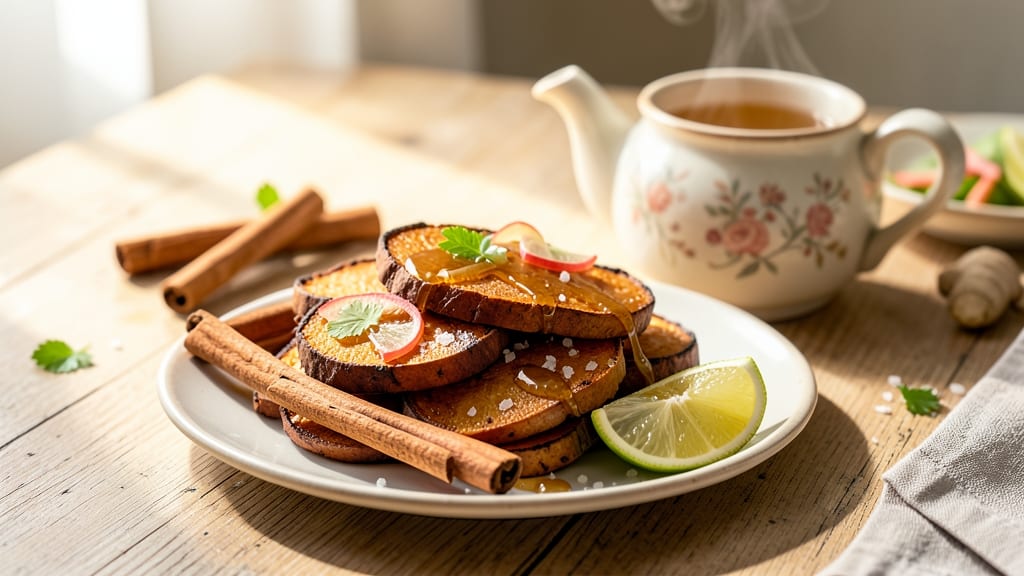
This sweet potato tea recipe transforms humble sweet potatoes into a deeply aromatic, naturally sweetened beverage packed with earthy warmth and subtle char. The secret lies in slow-roasting the potatoes until caramelized, then infusing their concentrated flavor into hot water—creating a drink that tastes like autumn in a mug.
Unlike store-bought versions, this method preserves all the natural sweetness and nutritional benefits, including vitamin A and antioxidants, while adding depth through optional spices like cinnamon or nutmeg.
The process is simpler than you'd think: roast the sweet potatoes until tender and slightly charred, then steep the flesh in hot water for a rich, golden infusion. No blenders or complex steps required—just patience and a few basic ingredients.
What you're left with is a tea that's naturally caffeine-free but deeply satisfying, with a texture between a traditional herbal tea and a lightly spiced broth. The caramelized edges add a smoky complexity that elevates it beyond basic vegetable drinks.
This sweet potato tea works equally well hot or iced, making it perfect for cozy evenings or refreshing summer days. Serve it plain to highlight the natural sweetness, or enhance it with a splash of lemon juice, a dash of vanilla, or even a sprinkle of sea salt for contrast.
The possibilities are endless, but the base recipe delivers a comforting, nutrient-dense beverage that's as nourishing as it is delicious. Ready to transform your tea routine?
Whether you're drawn to its health benefits or simply love the idea of a naturally sweet, spiced drink, this recipe delivers on both counts. The slow-roasting process unlocks flavors you won't find in fresh sweet potatoes, while the steeping method ensures every sip is packed with warmth and depth.
Perfect for sipping mindfully or using as a base for lattes and smoothies, this tea proves that comfort and nutrition can go hand in hand.
Ingredients for sweet potato tea
Roasted sweetness meets aromatic spices—just these ingredients transform into golden tea.
| Ingredient | Amount | Notes |
|---|---|---|
| Sweet Potatoes 🍠 | 2 medium | Organic preferred, skin-on |
| Fresh Ginger Root 🌿 | 1 inch | Peeled, sliced thinly |
| Cinnamon Sticks 🌿 | 2 whole | For aromatic depth |
| Vanilla Extract 🍯 | 1 tsp | Pure alcohol-free preferred |
| Lemon Juice 🍋 | 1 tbsp | Freshly squeezed |
| Sea Salt 🧂 | ¼ tsp | Fine grain preferred |
| Filtered Water 💧 | 4 cups | Hot, not boiling |
| Maple Syrup 🍁 | 1 tbsp | Optional, for sweetness |
| Black Peppercorns 🌶️ | 4 whole | Lightly crushed |
| Fresh Rosemary 🌿 | 1 sprig | For herbal notes |
| Coconut Milk 🥥 | ½ cup | Full-fat, optional creamy touch |
| Orange Peel 🍊 | 1 strip | Zest only, no pith |
The sweet potatoes are the heart of this tea, so pick vibrant, firm ones—the deeper the orange, the richer the flavor. Organic varieties from the produce section (like the Japanese sweet potatoes at Whole Foods) have more natural sweetness. Skip the baby ones—their flavor is too mild. For ginger, fresh is non-negotiable—it adds a zesty kick that powder can't match. Buy it in the produce section, not the jarred spices aisle. The cinnamon sticks? Ceylon cinnamon if you're splurging—it's smoother than cassia. Rosemary and orange peel are optional but add layers of complexity worth hunting for at Trader Joe's or your local farmers market.
No fresh ginger? Substitute with 0.5 tsp ground ginger, but it won't have the same punch. Running low on cinnamon? Nutmeg at half the amount works in a pinch. The coconut milk is purely for creaminess—skip it if you prefer it lighter. For extra depth, add a pinch of smoked paprika to the roasting sweet potatoes. The maple syrup is optional, but if you use it, grade B is best—it's darker and more flavorful than the clear stuff. And if you're out of vanilla extract, almond extract at half the amount gives a similar floral note.
The roasted sweet potatoes keep in the fridge for 5 days in an airtight container, but the tea flavor peaks within 2 days. For longer storage, freeze the roasted flesh in ice cube trays—just add hot water when ready. The ginger and orange peel can be prepped ahead and stored in the freezer for up to 3 months. Make a big batch of tea and freeze it in 1-cup portions for quick warm-ups. Iced versions keep for 3 days in the fridge, but add lemon juice right before serving to keep it bright.
Why You'll Love This Recipe
- No Peel, No Stress: I swear by this—just toss in unpeeled sweet potatoes, slice them thick, and let the slow simmer work its magic. The skins soften right in, so no extra prep, no mess, and zero guilt if you forget to peel them first.
- Warm Spice Hug: That ginger-cinnamon-vanilla combo? It’s like a cozy blanket in a mug. The ginger adds a sharp, zesty kick, the cinnamon sticks deepen the warmth, and a splash of vanilla turns it from "tea" to "I need this daily" status. Honestly, the first sip makes me forget it’s even a recipe.
- Morning to Midnight: Between us, this is my go-to for breakfast (with a splash of milk) or a late-night wind-down when I’m craving something sweet but not dessert. It’s the kind of drink that works in a thermos for the office or curled up with a book—no judgment if you drink it straight from the pot.
- Pantry Staple Magic: Sweet potatoes and ginger sit in my fridge forever, and cinnamon and vanilla are cheap pantry wins. A few dollars and 20 minutes later, I’ve got a batch that keeps for days in the fridge—perfect for when I’m too tired to cook but still want something special. (Yes, even on a Tuesday night.)
Step-by-step instructions for sweet potato tea
Here's how to transform humble sweet potatoes into a rich, aromatic tea with layers of spice and smoky depth.
Char the Sweet Potatoes for Depth of Flavor
Preheat your oven to 450°F and line a baking sheet with parchment paper. Cut the 2 medium sweet potatoes into ½-inch thick rounds, leaving the skin on for texture. Arrange them in a single layer on the baking sheet, spacing them about ½ inch apart for even charring.
Roast for 25-30 minutes, flipping halfway through, until the edges are deep golden brown with visible char marks. The potatoes should be tender when pierced with a fork but still hold their shape. This charring step is crucial—it develops complex caramelized flavors that infuse the tea with smoky sweetness.
Real talk: don't rush this step. You want those charred edges, but the potatoes should still be firm enough to break down easily in the water. If they brown too quickly, reduce the oven temperature to 425°F for the second half of cooking.
Toast the Spices and Aromatics
While the potatoes roast, heat a dry skillet over medium heat. Add the 2 whole cinnamon sticks and 4 whole black peppercorns (lightly crushed) and toast for 2 minutes until fragrant. Remove from the pan and set aside, reserving any released oils.
In the same skillet, add the 1 inch peeled ginger root (sliced thinly) and 1 strip orange peel (zest only). Sauté for 1-2 minutes until the ginger softens slightly and releases its essential oils. Add the 1 sprig fresh rosemary and cook for another 30 seconds until the leaves turn a vibrant green.
This quick toasting awakens the spices' natural oils and creates a fragrant base for your tea. The ginger and orange peel will infuse the water with bright, citrusy warmth, while the rosemary adds an earthy herbal note that balances the sweetness.
Simmer the Tea Base
Transfer the charred sweet potatoes to a large pot and add the 4 cups filtered water. Bring to a boil over high heat, then immediately reduce to medium-low heat. Add the toasted spices, ginger, orange peel, and rosemary to the pot.
Simmer uncovered for 20-25 minutes until the sweet potatoes are completely tender and the liquid has reduced slightly, creating a concentrated tea. You'll know it's ready when the potatoes can be easily mashed with a fork and the tea smells intensely sweet with spicy undertones.
Here's the thing—don't skip the simmering time. This is where all the flavors meld together. If the tea looks too thin, continue simmering until it reaches your desired strength. You can always add more water later if needed.
Strain and Finish with Sweetness
Strain the tea through a fine-mesh sieve into a clean pot, pressing gently on the solids to extract all the liquid. Discard the potato pieces and spices. Return the strained tea to the stove and stir in the 1 tbsp lemon juice, 1 tbsp maple syrup, 1 tsp vanilla extract, and 0.25 tsp sea salt.
Simmer gently for 2-3 minutes to blend the flavors completely. The lemon juice brightens the sweetness, the maple syrup adds natural depth, the vanilla extract rounds out the flavors, and the salt enhances all the components. Taste and adjust the sweetness—you can add more maple syrup if you prefer it sweeter.
For a creamy finish, stir in the 0.5 cup coconut milk off the heat. The coconut milk adds a luxurious texture that complements the earthy sweet potatoes beautifully. If you prefer a lighter tea, skip the coconut milk and serve it as is.
Serve Warm with Optional Garnishes
Ladle the sweet potato tea into mugs and serve immediately while warm. The tea should be rich, aromatic, and perfectly balanced between sweet, spicy, and tangy notes. Each sip should deliver layers of caramelized sweetness from the potatoes, warm spice from the cinnamon and ginger, and a bright citrus finish from the orange peel.
For garnish, you can float a thin slice of orange peel on top or add a sprinkle of ground cinnamon. The tea keeps well in the refrigerator for up to 5 days, so you can make a big batch and enjoy it throughout the week. Reheat gently on the stove or microwave until warm before serving.
This tea is especially comforting on chilly days, but its depth of flavor makes it a year-round favorite. The combination of charred sweet potatoes and aromatic spices creates something truly special—far beyond your typical herbal tea.
Pro Tips For Making Sweet Potato Tea
- PEEL AND GRATE FRESH: Sweet potatoes are easier to digest and sweeter when raw—skip the peeling if the skin’s clean, but grate them fresh right before simmering to avoid browning. I used to store pre-grated sweet potato in water for hours, but the texture turns mushy and the flavor dulls faster than you’d think.
- SIMMER LOW AND LONG: This isn’t a quick boil—aim for a gentle simmer (tiny bubbles, not rolling) for at least 20 minutes. After burning my first batch by cranking the heat, I learned: low and slow extracts the natural sweetness without turning the tea bitter. Cover the pot to keep the aroma trapped.
- GRATE GINGER FINE: No need for a food processor—just use the smallest holes on a box grater. Coarse ginger sits like little rocks in your tea, while fine grated ginger dissolves smoothly. Trust me, your mouth will notice the difference, especially when you’re sipping the finished brew.
- STRAIN TWICE FOR SMOOTHNESS: After simmering, strain through a fine-mesh sieve first, then a cheesecloth for ultra-smooth tea. The first strain catches big bits, but the cheesecloth grabs the fine starch that makes tea cloudy. Lazy? Just double-strain with a clean kitchen towel—it works, but your tea won’t be as silky.
Pro cooking tips for great sweet potato tea
Roasting for Maximum Flavor
The key to a deeply flavorful sweet potato tea starts with proper roasting. Cut your potatoes into ½-inch thick rounds—thicker slices take longer to char but develop more caramelization. I recommend using a light-colored baking sheet (like aluminum) to help monitor browning.
Roast at 450°F until edges are deep golden brown with char marks—this adds smoky depth that infuses the tea. Flip them halfway through for even cooking. 🔥
Spice Toasting Secrets
Never skip toasting your spices! Heat whole cinnamon sticks and peppercorns in a dry skillet for 2 minutes to release their essential oils. This creates aromatic layers that infuse the tea far better than raw spices.
For ginger, slice it paper-thin (almost translucent) so it softens quickly and releases maximum flavor. I like using a microplane for ginger to get fine, flavorful shavings without peeling. The orange peel should be just the zest—no white pith, which can make the tea bitter.
Simmering Perfection
Simmering is where the magic happens. After adding water, maintain a gentle medium-low heat to prevent scorching. The tea should reduce slightly—this concentrates the sweet potato flavor. You'll know it's ready when the potatoes mash easily and the liquid smells intensely aromatic.
If it looks too thin, simmer uncovered for another 5-10 minutes. Never boil vigorously after adding water, as this can make the tea bitter. A fine-mesh sieve works best for straining—press gently but firmly to extract all the liquid.
Sweetness Balance
The finishing touches make all the difference. Start with 1 tbsp maple syrup and adjust to taste—grade B is darker and more flavorful. The lemon juice brightens the sweetness while the sea salt enhances all components. For a creamy version, stir in coconut milk off the heat to prevent curdling.
If you prefer it lighter, skip the coconut milk but add an extra pinch of salt to balance the tea's natural sweetness. Taste as you go—this is where you control the perfect balance. ✨
Equipment Shortcuts
No fancy tools? No problem. Use a cast iron skillet for even heat distribution when toasting spices. For roasting, a rimmed baking sheet works fine—just watch for uneven browning. If you don't have a microplane, use a sharp chef's knife to julienne ginger.
For straining, a clean kitchen towel layered over a bowl works in a pinch (just squeeze gently). The most important tool is your nose—if the tea smells amazing, it will taste even better. 💡
Flavor Variations
Want to experiment? Try adding ½ tsp ground cardamom with the cinnamon for Middle Eastern notes. For a tropical twist, swap orange peel for 1 strip lime zest. If you love warmth, add ¼ tsp ground cloves (toast them with the cinnamon).
For a smoky version, sprinkle ¼ tsp smoked paprika on the roasting potatoes. Each variation changes the tea's character while keeping the sweet potato base intact. The possibilities are endless—start with one and build from there! 🌶️
Nutrition facts
Frequently asked questions
Can I make this tea without roasting the sweet potatoes?
You can try boiling fresh sweet potatoes instead, but you'll lose the deep caramelized flavor and smoky depth that roasting creates. For a quicker version, roast them at 425°F for 15 minutes instead of 25-30 minutes—they won't be as charred but will still develop sweetness. The tea will taste more like a simple sweet potato broth than the rich, aromatic version you get from proper roasting.
How do I adjust the sweetness for kids or sensitive palates?
Start by reducing the maple syrup to ½ tbsp or omit it entirely—the roasted sweet potatoes provide natural sweetness. For extra mildness, add 1 extra tbsp coconut milk (if using) to balance the flavors. If the tea still tastes too strong, dilute with ½ cup hot water per serving. Kids often enjoy the creamy version with a sprinkle of cinnamon on top!
Can I make this tea with regular potatoes instead?
Regular white potatoes won't work—they lack the natural sweetness and depth of flavor that sweet potatoes provide. For a similar texture but different taste, try purple sweet potatoes (they'll give a beautiful color) or yams (closer in flavor to sweet potatoes). The roasting process is the same, but expect a different flavor profile—more earthy for yams, slightly nutty for purple sweet potatoes.
How long does the tea keep in the fridge, and can I freeze it?
The tea stays fresh in the fridge for 5 days in an airtight container. For freezing, pour into 1-cup portions in ice cube trays or small jars, leaving ½-inch headspace for expansion. Thaw overnight in the fridge before reheating—never microwave from frozen as it can make the texture watery. The flavor actually improves after 2-3 days of refrigeration as the spices mellow!
What's the best way to serve this tea iced?
Chill the tea completely, then pour over ice cubes made from the tea itself (freeze some before serving) to prevent dilution. Add 1 tsp lemon juice per serving right before drinking to keep it bright. For extra refreshment, top with coconut milk foam (whisk cold coconut milk with a pinch of salt) or a splash of sparkling water. Serve with a cinnamon stick stirrer for presentation!