
Side Dishes
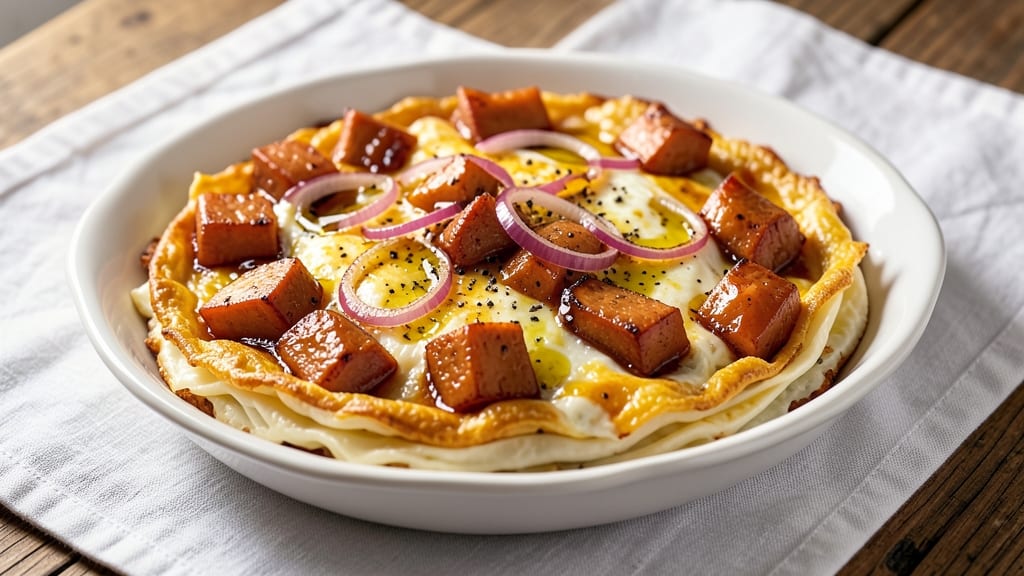
This Spanish omelette recipe with sweet potatoes transforms a classic dish into something unexpectedly hearty yet delicate—crispy edges that shatter like glass, wrapped around tender, custardy eggs and caramelized sweet potatoes.
The secret lies in perfectly prepping the sweet potatoes (roasted until just tender) and cooking the omelette over medium-low heat, ensuring the eggs set slowly into a velvety interior while the exterior achieves that signature crispness.
I first tried this after craving a Spanish tapas dish with a heartier twist, and it quickly became a staple in my weeknight rotation.
What sets this recipe apart is how the sweet potatoes—naturally sweet and slightly fibrous—add depth to the traditional Spanish omelette, which typically relies on onions and potatoes.
The key steps are simple but critical: roast the sweet potatoes until they're fork-tender (not mushy), then sauté them until caramelized before folding them into the eggs. This method ensures they stay intact while absorbing the eggs' richness.
The result is a dish that balances textures perfectly—crispy, creamy, and slightly sweet—with every bite.
By the time you slide this omelette onto your plate, you'll have a dish that's restaurant-worthy yet simple enough for a weeknight. The golden, slightly crispy edges contrast beautifully with the velvety egg custard, while the caramelized sweet potatoes add a touch of natural sweetness that rounds out the flavors.
Serve it with a sprinkle of fresh parsley or a squeeze of lemon for brightness, and you've got a side dish that could easily steal the show at any meal.
This recipe works equally well as a side for grilled meats or fish, or even as a light main course when paired with a fresh salad.
The beauty of it lies in its versatility—you can adjust the sweetness of the potatoes by roasting them longer or shorter, depending on your preference. Let's get cooking, and you'll have a dish that feels both comforting and sophisticated in just under 30 minutes.
Ingredients for sweet potato spanish omelette
Nine simple ingredients transform into a crispy, velvety omelette with caramelized sweet potatoes.
| Ingredient | Amount | Notes |
|---|---|---|
| Large Eggs 🥚 | 6 whole | Room temperature for best results |
| Sweet Potatoes 🍠 | 1 ½ lb | Medium size, peeled and cubed |
| Yellow Onion 🧅 | 1 whole | Medium size, finely chopped |
| Extra-Virgin Olive Oil 🫒 | ½ cup | For roasting and cooking |
| Salt 🧂 | 1 tsp | Diamond Crystal preferred |
| Black Pepper 🌶️ | ½ tsp | Freshly ground for best flavor |
| Fresh Parsley 🌿 | ¼ cup | Chopped, for garnish |
| Lemon Juice 🍋 | 1 tbsp | Freshly squeezed |
| Garlic Cloves 🧄 | 2 cloves | Minced for sautéing |
Sweet potatoes are the star here—pick ones that are firm and vibrant orange. Trader Joe's and Whole Foods carry the best varieties, but any medium sweet potato will work. Roast them until just tender (about 25 minutes at 400°F), then cube them while still warm for maximum caramelization. The onions should be sweet, not bitter—yellow or white both work, but avoid red if you want a milder flavor. Fresh parsley adds a pop of color and brightness, so grab a bunch from the grocery store's produce section and only use the leaves (toss the stems).
No sweet potatoes? Regular russet potatoes work in a pinch, but they won't caramelize as beautifully. Short on parsley? Fresh cilantro or chives add a different but still lovely flavor. The olive oil matters—use something fruity and high-quality (like California Extra Virgin) for the best flavor. If you're making this ahead, roast the sweet potatoes first and store them in the fridge for up to 3 days until you're ready to cook the omelette. The eggs should be at room temperature—just take them out of the fridge 20 minutes before you start.
Roasted sweet potatoes keep well for 5 days in the fridge if stored in an airtight container. The omelette itself is best served immediately, but you can reheat portions in a skillet over low heat for 2-3 minutes to restore crispiness. I like to make a double batch of roasted sweet potatoes—one for the omelette and one to toss with a little olive oil and salt for a side dish. The lemon juice can be squeezed ahead and stored in a small jar in the fridge for up to 1 week.
Why You'll Love This Recipe
- One-Pan Magic: I swear by this trick—just roast the sweet potatoes and onions in the same pan you’ll cook the eggs. Less dishes, zero stress. That caramelized sweetness from the onions? It soaks right into the eggs like a hug.
- Sweet & Savory Balance: The sweet potatoes bring this dish to life—creamy, slightly nutty, and just sweet enough to play off the sharpness of the onions. Whisk those eggs with a pinch of salt and let the olive oil work its magic; it’s that perfect harmony of textures.
- Breakfast or Dinner Fix: Honestly, I make this for both. Serve it with crusty bread for a hearty breakfast or toss it into a salad for a dinner that feels fancy. The leftovers? Even better cold the next day—pack it for lunch, no fuss.
- Budget-Friendly Staples: Sweet potatoes and eggs are my go-to cheap eats. A single onion stretches across multiple meals, and olive oil lasts forever. This recipe feeds four for under $5, and I’ve never once regretted the trade-off for flavor.
Step-by-step instructions for sweet potato Spanish omelette
Here's how to create a Spanish omelette with sweet potatoes—crispy edges and silky eggs every time.
Roast the Sweet Potatoes Until Tender
Preheat your oven to 400°F and line a baking sheet with parchment paper. Toss the 1.5 lb cubed sweet potatoes with 2 tablespoons of the extra-virgin olive oil, ½ teaspoon of the salt, and ¼ teaspoon of the black pepper. Spread them in a single layer—don't crowd the pan, or they'll steam instead of roast.
Roast for 25-30 minutes, stirring once halfway through, until the sweet potatoes are fork-tender with slightly crispy edges. They should be golden in spots but still hold their shape. Let them cool slightly before using—they'll release their moisture more gently when warm. This roasting step builds deep flavor and prevents a soggy omelette.
Sauté the Onion and Garlic
While the sweet potatoes roast, heat 1 tablespoon of the extra-virgin olive oil in a 10-inch skillet over medium heat. Add the finely chopped yellow onion and cook for 5-6 minutes until softened and translucent. Add the 2 minced garlic cloves and cook for another 30 seconds until fragrant—don't let it brown, or it'll turn bitter.
Remove the skillet from heat and stir in 1 tablespoon of the lemon juice. This brightens the onion flavor and cuts through the natural sweetness of the sweet potatoes. Let the mixture cool for 2 minutes before combining with the eggs. The warm onion will help set the eggs faster, creating that signature crispy edge.
Whisk the Eggs to Ribbon Stage
In a large bowl, crack the 6 large eggs and whisk vigorously with a fork or wire whisk until the mixture is completely smooth with no visible streaks of white. The eggs should form gentle ribbons when you lift the whisk—this ensures a light, fluffy texture. Season with the remaining ½ teaspoon salt and ¼ teaspoon black pepper.
Here's the thing—room temperature eggs whip up faster and create a more stable omelette. If your eggs are straight from the fridge, let them sit at room temperature for 30 minutes before whisking. Cold eggs require more energy to cook evenly, which can lead to rubbery edges instead of that perfect crisp.
Cook the Omelette to Crispy Perfection
Heat the same skillet over medium-high heat until it's very hot—you should see a slight shimmer when you wave your hand over it. Add the remaining 1 tablespoon olive oil and let it get hot but not smoking. Pour in the whisked eggs, tilting the pan to spread them evenly across the bottom.
Let the eggs cook undisturbed for 2-3 minutes until the edges start to set and the bottom is golden. This is the moment that matters: Sprinkle the roasted sweet potatoes and sautéed onion mixture evenly over one half of the omelette. Fold the empty half over the filling, pressing down gently with a spatula to help the eggs set completely.
Finish and Garnish for Freshness
Cook for another 1-2 minutes until the top is set and the edges are golden brown. Slide the omelette onto a plate, cut into wedges, and garnish with the chopped fresh parsley. The parsley adds a pop of color and freshness that balances the sweetness of the sweet potatoes.
Serve immediately while the eggs are still warm and the edges are crispy. This omelette is best enjoyed right away—it holds together beautifully but loses its perfect texture as it cools. Pair it with a simple green salad or crusty bread for a complete meal that's both hearty and elegant.
Pro Tips For Making Sweet Potato Spanish Omelette
- Pre-Cook the Sweet Potatoes: Roast or steam the sweet potatoes until they’re fork-tender before adding them to the omelette—this keeps them from turning to mush in the egg. I learned this the hard way after watching a batch of puréed sweet potato ooze out of a broken omelette. Aim for 20-25 minutes at 400°F (200°C) until edges crisp slightly.
- Use a Nonstick Skillet: A well-seasoned cast-iron pan works, but a nonstick skillet is your best friend here—it prevents the omelette from sticking to the bottom like glue. I’ve had eggs tear apart trying to flip them in a bare cast-iron; nonstick makes folding and serving effortless. Heat it until a drop of water sizzles instantly.
- Salt the Eggs First: Whisk the eggs with salt before adding the sweet potatoes and onions—this ensures even seasoning throughout. I used to sprinkle salt on top after folding, and half the time it pooled in the center. A pinch (about ½ teaspoon per 2 eggs) in the bowl guarantees every bite has flavor.
- Fold, Don’t Flip: Let the omelette set for 30 seconds after adding the fillings, then fold it in half with a spatula—no flipping required. This keeps the sweet potatoes and onions contained and prevents the egg from breaking apart. Sounds weird, but it works: my first attempt at flipping sent filling everywhere.
Essential equipment for this recipe
Non-Stick Skillet
You'll need a 10-inch non-stick skillet (like All-Clad Stainless Steel with Nonstick or Cuisinart MultiClad) for that signature crispy edge. The non-stick coating prevents sticking while creating the perfect golden crust.
I've found that ceramic-coated pans (such as GreenPan) also work well—they're easier to clean and last longer than traditional non-stick. Avoid aluminum pans, as they heat unevenly and can cause hot spots. 🔥
Mixing Bowls
A large mixing bowl (at least 8-inch diameter) is essential for whisking the eggs to ribbon stage. I prefer stainless steel bowls (like OXO Good Grips) because they're durable and won't retain egg odors.
For extra convenience, grab a smaller bowl (about 6 inches) to hold your chopped onions and garlic while you prep the eggs. This keeps your workspace organized and prevents cross-contamination.
Whisk or Fork
Use either a balloon whisk (like OXO Balloon Whisk) or a fork to whisk your eggs. A whisk creates more air for a lighter texture, but a fork works in a pinch.
I've found that wire whisks (like Cuisinart Wire Whisk) are my go-to because they're sturdy and get the job done quickly. Avoid plastic whisks—they can't handle vigorous whisking and may break.
Parchment Paper
Line your baking sheet with parchment paper (not wax paper) to roast the sweet potatoes. This prevents sticking and makes cleanup a breeze. I like using Reynolds Kitchen Parchment Paper because it's sturdy and fits most baking sheets perfectly.
For extra crispiness, I sometimes place the roasted sweet potatoes on a second sheet of parchment before adding them to the omelette—this ensures they don't release excess moisture into the eggs.
Spatula Set
Invest in a heat-resistant spatula set (like Mercer Culinary Genius) with both a flexible silicone spatula (for delicate folding) and a sturdy metal spatula (for flipping).
The silicone spatula helps gently press the omelette together without tearing the eggs, while the metal spatula ensures you can slide the finished omelette onto your plate without breaking it. A fish spatula (like OXO Good Grips) is also great for this task.
Kitchen Timer
Set a kitchen timer (or use your phone) to monitor the roasting time of the sweet potatoes and the cooking time of the omelette. I recommend a visual timer (like KitchenAid Digital Timer) so you can see the countdown without checking your phone.
Timing is critical—over-roasting the sweet potatoes makes them mushy, and overcooking the omelette turns it rubbery. A timer keeps everything on track and ensures crispy perfection. ⏰
Nutrition facts
Frequently asked questions
Can I use regular potatoes instead of sweet potatoes?
Yes, but the flavor and texture will differ. Regular russet potatoes will caramelize less and have a starchier texture, while sweet potatoes add natural sweetness and a creamier consistency. For a similar texture, try roasting yellow potatoes instead—they're sweeter than russets and hold up better in the omelette.
Why does my omelette turn out rubbery instead of creamy?
This usually happens from overcooking or using cold eggs. Cook the omelette over medium-low heat and remove it as soon as the top is just set (about 1-2 minutes after folding). Always use room-temperature eggs—whisk them after letting them sit out for 20-30 minutes for perfect silkiness.
How can I make this recipe vegetarian?
This recipe is already vegetarian! The traditional Spanish omelette often includes chorizo, but this version relies entirely on sweet potatoes, onions, and eggs. For extra protein, add sautéed mushrooms or bell peppers with the onions. The sweet potatoes provide natural sweetness that balances the savory egg flavor beautifully.
Can I prep the ingredients ahead of time?
Roast the sweet potatoes up to 3 days ahead and store them in an airtight container in the fridge. Chop the onions and garlic, then store them separately. Whisk the eggs just before cooking—this prevents them from overcooking. The only step you shouldn't prep is the lemon juice, as it loses freshness when stored.
What's the secret to getting crispy edges?
The crispy edges come from three things: a hot skillet, proper oil temperature, and undisturbed cooking. Heat your 10-inch skillet until it's shimmering hot, then add the oil. Let the eggs cook for 2-3 minutes completely undisturbed before adding the filling. A non-stick ceramic pan works best for this texture.