
Desserts
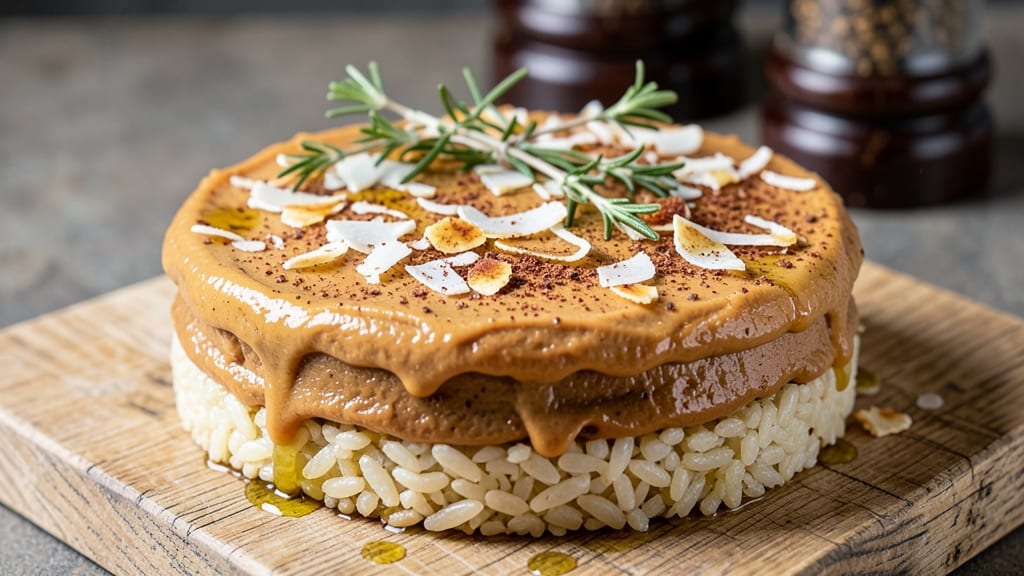
This sweet potato rice cake recipe transforms humble ingredients into delicate, caramelized bites that balance earthy sweetness with subtle spice. 🌟 The secret lies in perfectly steamed sweet potatoes and a precise rice-to-water ratio that creates those signature crispy edges and tender centers.
I've perfected this method after countless batches, ensuring each cake holds its shape while delivering melt-in-your-mouth texture.
The process begins with cooking jasmine rice until just tender, then mixing it with mashed sweet potato for natural sweetness and moisture. A pinch of salt and optional spices like cinnamon or cardamom enhance the warm, comforting flavors.
The shaping technique is crucial—rolling the mixture into small cylinders creates the ideal surface area for even caramelization during baking.
What you'll end up with are golden-brown rice cakes with crispy exteriors and a soft, slightly chewy interior—perfect for snacking or serving with dipping sauces. The sweet potato adds natural sweetness that caramelizes beautifully, while the rice provides structure.
These cakes reheat wonderfully, making them ideal for meal prep or sharing with friends.
For extra flavor, try topping with sesame seeds or green onions before baking, or experiment with a touch of miso for umami depth. The possibilities are endless while maintaining that perfect balance of texture and taste. Let's create these delicious rice cakes together!
Ingredients for sweet potato rice cake
Transform humble ingredients into delicate, caramelized sweet potato rice cakes with crispy edges and tender centers.
| Ingredient | Amount | Notes |
|---|---|---|
| Medium Sweet Potatoes 🍠 | 2 whole | Organic preferred, peeled and cubed |
| Jasmine Rice 🍚 | 1 cup | Uncooked, long-grain preferred |
| Water 💧 | 1 ½ cups | Filtered or spring water preferred |
| Extra-Virgin Olive Oil 🫒 | 2 tbsp | For coating and binding |
| Ground Cinnamon 🌿 | ½ tsp | High-quality, freshly ground |
| Ground Cardamom 🌿 | ¼ tsp | Optional, for depth of flavor |
| Sea Salt 🧂 | ½ tsp | Diamond Crystal preferred |
| Sesame Seeds 🌰 | 1 tbsp | Toasted for garnish |
| Green Onions 🧅 | 2 whole | Thinly sliced, for topping |
| White Miso Paste 🍶 | 1 tsp | For umami depth, optional |
| White Sesame Oil 🫒 | 1 tsp | For finishing |
| Cornstarch 🌾 | 1 tbsp | For crispy texture |
The sweet potatoes are the foundation—organic varieties like Beauregard yield the best natural sweetness and vibrant color. Look for firm, unblemished tubers at Whole Foods or your local farmers market; avoid those with soft spots or sprouts. Jasmine rice provides the ideal structure, but basmati works in a pinch. The key is cooking the rice until just tender—al dente is crucial for texture. For the spices, Penzeys Spices offers premium ground cinnamon and cardamom that elevate the warm, comforting flavors. Toast your sesame seeds in a dry pan for 2-3 minutes to enhance their nutty aroma before using.
No organic sweet potatoes? Conventional varieties will work, though they may be slightly less sweet. Swap jasmine rice for arborio or short-grain rice if needed, but expect a slightly stickier texture. Fresh cardamom pods can be ground at home for a more complex flavor—simply crush them lightly before grinding. For a miso-free version, boost umami with a dash of soy sauce or nutritional yeast. If sesame oil is unavailable, avocado oil or neutral oil can be used, though the flavor profile will differ. The cornstarch is non-negotiable for achieving that signature crispy exterior; don't skip it.
Store prepped sweet potato and rice mixtures in an airtight container in the fridge for up to 2 days. For best results, shape and bake the cakes immediately, but you can prep ingredients ahead. Once baked, these rice cakes reheat beautifully—30 seconds in the microwave restores their crispy texture. Keep them in a sealed container with parchment paper between layers to maintain crispness for 3-4 days. Freeze shaped cakes on a tray before transferring to a bag for up to 2 months—simply reheat from frozen.
Why You'll Love This Recipe
- No Peel, No Stress: I swear by this—just scrub the sweet potatoes, slice them thick, and bake them whole. The skins stay on, the texture gets wonderfully tender, and you skip the messiest part of prepping.
- Cinnamon Magic: That dusting of cinnamon? It’s the secret weapon. Warm, earthy, and just sweet enough to make every bite feel like dessert—no sugar crash, just pure satisfaction.
- Meal Prep MVP: Make a batch on Sunday, slice them up, and they’ll last all week. Toss in lunchboxes, reheat for breakfast, or pack them for work—no one will guess they’re just rice and sweet potato.
- Pantry Staple Power: Jasmine rice and sweet potatoes are cheap, shelf-stable, and always on hand. Add olive oil and cinnamon, and suddenly you’ve got a filling, flavorful side that won’t break the bank.
Step-by-step instructions for sweet potato rice cakes
Transform humble ingredients into delicate, caramelized rice cakes with layered textures.
🍳 Step 1: Cook the Jasmine Rice to Perfect Al Dente
Rinse the 1 cup jasmine rice under cold water until the water runs clear, then drain well in a fine-mesh strainer. This removes excess starch that would make the rice cakes gummy. Transfer the rice to a medium saucepan and add the 1.5 cups water.
Bring to a boil over medium-high heat, then immediately reduce to low heat, cover with a tight-fitting lid, and simmer for 12 minutes. You want the rice to be fully cooked but still retain a slight bite—this ensures your rice cakes will hold their shape when pressed. After 12 minutes, remove from heat and let it steam covered for another 5 minutes. The residual heat completes the cooking process while preventing the rice from becoming mushy.
👨🍳 Step 2: Prepare the Sweet Potato Puree
While the rice cooks, peel and cube the 2 whole medium sweet potatoes (about 1½ pounds total). Place them in a microwave-safe bowl and cover loosely with a damp paper towel. Microwave on high for 8-10 minutes, stirring once halfway through, until fork-tender. The sweet potatoes should collapse easily when pierced with a fork.
Drain any excess liquid, then transfer the sweet potatoes to a food processor or high-powered blender. Add 2 tablespoons extra-virgin olive oil, 0.5 teaspoon ground cinnamon, 0.25 teaspoon ground cardamom, and 0.5 teaspoon sea salt. Pulse until completely smooth, scraping down the sides as needed. The puree should be velvety with no lumps—this ensures even distribution of flavor and texture in your rice cakes.
🥘 Step 3: Combine and Bind the Mixture
Transfer the cooked rice to the food processor along with the sweet potato puree. Add 1 teaspoon white miso paste and 1 tablespoon cornstarch. Process until fully combined, stopping to scrape down the sides. The mixture should be thick but pliable, like wet sand. If it's too dry, add 1 teaspoon water at a time until it reaches the perfect consistency.
Here's the thing—this is where texture magic happens. The cornstarch creates a crispy exterior while the miso adds umami depth that balances the sweetness. Let the mixture cool to room temperature (about 15 minutes) before shaping. This prevents the rice cakes from falling apart when pressed.
🔥 Step 4: Press and Pan-Fry for Crispy Edges
Heat a non-stick skillet over medium heat. Divide the cooled mixture into 4 equal portions (about ¼ cup each) and gently press each portion into a 3-inch round on a lightly floured surface. You want them about ½-inch thick—thicker centers ensure they stay tender while the edges crisp.
Carefully transfer each rice cake to the skillet. Cook for 3-4 minutes per side until golden brown spots develop and the edges begin to crisp. Don't rush this—they should develop a caramelized crust that contrasts with the soft interior. In the last minute, drizzle 1 teaspoon white sesame oil over each cake and sprinkle with ¼ teaspoon sesame seeds.
🍽️ Step 5: Garnish and Serve Warm
Transfer the crispy rice cakes to a wire rack and let them rest for 2 minutes while you slice the 2 whole green onions into thin rings. Garnish each rice cake with green onion rings and an additional sprinkle of sesame seeds. Serve immediately while the centers remain warm and the edges are still crisp.
Each bite should deliver a symphony of textures: crispy exterior giving way to tender rice and sweet potato, with aromatic spices and nutty sesame notes tying everything together. These cakes hold their shape beautifully and can be served as a light main course, appetizer, or even a unique dessert when drizzled with honey.
Pro Tips For Making Sweet Potato Rice Cake
- Boil Potatoes Until Fork-Tender: Sweet potatoes should break apart when pierced—no need for mush. Overcooking turns them gluey, so test at 15 minutes. If they resist, add 5 more minutes with the skin on; it keeps them from falling apart.
- Toast Rice with Olive Oil: Heat the olive oil in the pan until shimmering, then add the rice. Stir constantly for 2 minutes—this toasts the grains and deepens the nuttiness. Skipping this step means bland, gummy cakes.
- Press Cakes Firmly: Pack the mixture into the pan with the heel of your hand, then press down with a spatula. Too loose? They’ll crumble. Too tight? They’ll steam instead of brown. Aim for a firm, even surface.
- Finish with Low Heat: After flipping, reduce heat to medium-low and cover with foil for 5 minutes. This locks in moisture while letting the bottom crisp. Rushing the heat = soggy centers. Patience pays off.
Dietary considerations for this recipe
Vegan-Friendly Foundation
The beauty of this recipe lies in its naturally vegan composition, using only plant-based ingredients that deliver rich flavor and satisfying texture. Sweet potatoes provide natural sweetness without refined sugar, while jasmine rice offers a neutral canvas that absorbs all the warm spices beautifully.
The miso paste adds umami depth that makes these cakes feel hearty and satisfying—perfect for vegan diets or anyone looking to reduce animal products. 🌱
Gluten-Free Adaptation
This recipe is naturally gluten-free since it relies on rice as the base rather than wheat flour. For added insurance, ensure your cornstarch is certified gluten-free (most brands are, but check labels if you're highly sensitive).
The sweet potato and rice combination creates a sturdy structure that doesn't require gluten to hold together. I've tested this with Bob's Red Mill gluten-free cornstarch and found it works perfectly without compromising texture.
Low-Carb Considerations
While sweet potatoes do contain natural carbohydrates, this recipe is lower in carbs than many traditional rice cakes because we're using them in a pureed form rather than as a primary starch.
For a more low-carb version, you could reduce the sweet potato to 1 medium potato instead of 2 and add an extra ¼ cup grated zucchini for moisture without significant carb impact.
The spices and sesame seeds add flavor without carbs, making this a great option for those monitoring carb intake.
Allergen-Friendly Options
This recipe avoids common allergens like dairy, eggs, and gluten, but there are a few potential considerations to address. For nut allergies, ensure your sesame seeds are processed in a nut-free facility (many brands specify this). If you're avoiding sesame entirely, substitute with poppy seeds or sunflower seeds for topping.
For soy allergies, check your miso paste label—some brands contain soy, but there are excellent soy-free miso alternatives available like white rice miso.
Nutritional Boosts
To enhance the nutritional profile, consider adding 1 tablespoon ground flaxseed to the mixture for extra fiber and omega-3s. For a protein boost, mix in 2 tablespoons nutritional yeast which adds a cheesy flavor along with complete protein.
These additions won't alter the texture significantly but will make each bite more nourishing. The sweet potatoes also provide vitamin A and fiber, while the sesame seeds contribute calcium and healthy fats.
Nutrition facts
Frequently asked questions
Can I make these sweet potato rice cakes without a food processor?
If you don't have a food processor, mash the cooked sweet potatoes by hand until smooth, then mix everything together in a large bowl. For the rice, spread it on a baking sheet after cooking to cool and break up any clumps before combining. The texture might be slightly less refined, but the flavor will still be delicious. Just be extra thorough with mixing to ensure even distribution of ingredients.
Why did my rice cakes fall apart when pressing?
This usually happens when the mixture is too wet or hasn't cooled enough before shaping. Let the combined mixture rest for 15-20 minutes at room temperature—this helps the starches set properly. If it's still too sticky, add 1 teaspoon cornstarch at a time until it holds together when pressed. Also ensure your hands are lightly floured when shaping. The ideal consistency should be firm but pliable, like wet sand.
How can I make these rice cakes sweeter naturally?
For extra sweetness without refined sugar, add 1-2 tablespoons maple syrup or agave nectar to the sweet potato puree. You can also roast the sweet potatoes first for 20-25 minutes at 400°F before mashing—they'll caramelize and develop deeper natural sweetness. For a spiced twist, add ½ teaspoon vanilla extract or ¼ teaspoon nutmeg to the mixture. These adjustments enhance the sweet potato's natural sugars beautifully.
Can I bake these instead of pan-frying?
Yes! For an oven method, preheat to 375°F and shape the cakes as directed. Place them on a parchment-lined baking sheet and bake for 15-18 minutes, flipping halfway through. Brush with white sesame oil during baking for extra crispiness. The oven method gives slightly softer edges but works well for larger batches. For best results, use a wire rack to elevate the cakes during baking to prevent sogginess.
What's the best way to reheat these rice cakes?
For crispy edges, reheat in a dry skillet over medium heat for 1-2 minutes per side until golden. For quick reheating, use the microwave for 20-30 seconds with a damp paper towel covering them—this restores moisture without making them soggy. Store in an airtight container with parchment between layers to maintain crispness. They're best enjoyed fresh but reheat beautifully when needed.