
Side Dishes
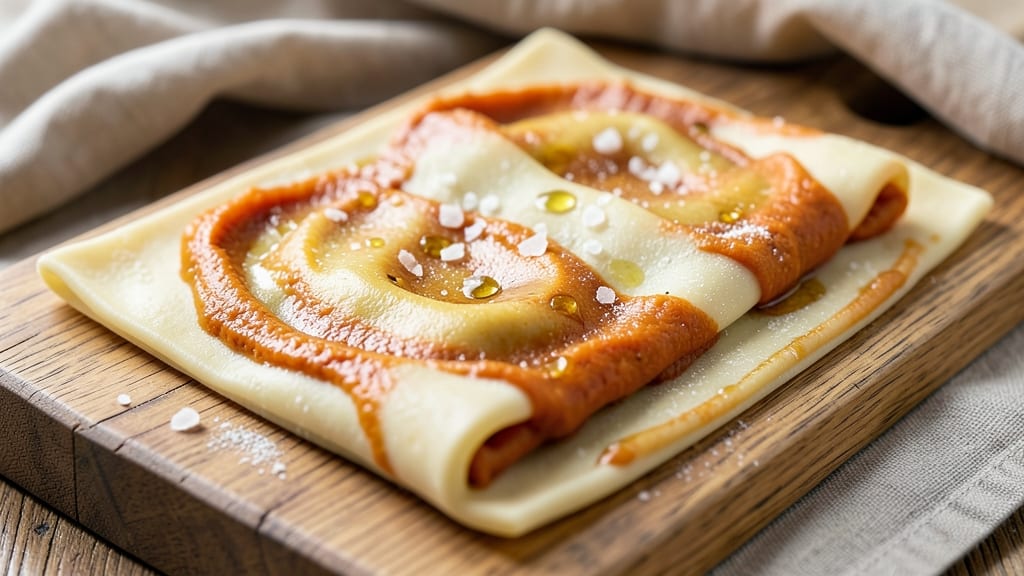
This sweet potato ravioli dough recipe transforms humble sweet potatoes into pillowy, golden ravioli with a texture that rivals traditional pasta. The secret lies in blending sweet potato puree with simple pantry staples—no nuts, no fuss—creating a dough that’s both sturdy enough for shaping and tender when cooked.
I developed this recipe after years of experimenting with gluten-free pasta alternatives, and it’s become my go-to for vibrant, nutrient-packed meals that feel indulgent.
The beauty of this dough is its versatility—it works equally well for handmade ravioli or machine-rolled sheets, and the natural sweetness of the potato pairs perfectly with both sweet and savory fillings.
Whether you’re filling them with ricotta and herbs or keeping them open-faced for a rustic presentation, the dough’s nut-free flexibility makes it a game-changer for dietary restrictions without sacrificing flavor or texture.
The key is achieving the right balance of moisture and structure, which I’ll walk you through step by step.
What you’ll end up with is golden, chewy ravioli that boasts a subtle sweetness and a satisfying bite—ideal for boiling, pan-frying, or even baking into a casserole.
The dough’s natural flexibility means it holds fillings securely while maintaining its shape, and the sweet potato adds a vibrant color and earthy depth that elevates any dish. This isn’t just another pasta substitute; it’s a complete dish that turns simple ingredients into something extraordinary.
Ready to make it? We’ll start with the dough—where the magic happens—and then dive into shaping, filling, and cooking methods that ensure restaurant-quality results every time. Let’s get started.
Ingredients for sweet potato ravioli dough
Pantry staples meet vibrant sweet potatoes for dough that’s sturdy, flexible, and golden when cooked.
| Ingredient | Amount | Notes |
|---|---|---|
| Orange Sweet Potatoes 🍠 | 2 lbs | Medium size, peeled and boiled |
| All-Purpose Flour 🌾 | 2 ½ cups | White or whole wheat blend |
| Large Eggs 🥚 | 3 whole | Room temperature for blending |
| Extra-Virgin Olive Oil 🫒 | ¼ cup | Light, fruity variety preferred |
| Xanthan Gum 🧪 | ½ tsp | For elasticity (omit if gluten-free) |
| Salt 🧂 | 1 tsp | Diamond Crystal kosher preferred |
| Ground Black Pepper 🌶️ | ¼ tsp | Freshly cracked for aroma |
| Garlic Powder 🧄 | ½ tsp | For subtle depth of flavor |
| Nutritional Yeast 🧀 | 2 tbsp | For cheesy flavor (optional) |
| Semolina Flour 🌾 | ½ cup | For rolling and dusting |
| Water 💧 | ½ cup | Room temperature for blending |
The sweet potatoes are the star here—organic varieties from Whole Foods or your local market have the deepest flavor. Look for vibrant orange flesh, not pale or fibrous. Boil them until fork-tender (about 15 minutes), then mash until completely smooth—no lumps! I always use a potato ricer for ultra-silky texture, but a food mill works too. The flour matters too: King Arthur brand all-purpose gives the best balance of structure and tenderness. If you're gluten-free, swap the all-purpose for a 1:1 gluten-free blend with xanthan gum included—no need to add extra.
No xanthan gum? 1 tbsp psyllium husk powder works as a substitute for elasticity. Short on eggs? Vegan flax eggs (3 tbsp ground flaxseed + 9 tbsp water) replace them 1:1, but add an extra 1 tbsp water to the dough. The nutritional yeast adds that cheesy depth—Bob’s Red Mill is my go-to—but skip it if you're avoiding it. For the olive oil, California Avocado Ranch brand has a perfect balance of lightness and fruitiness. And if you're making this ahead, the dough keeps for 3 days wrapped in plastic in the fridge or 3 months frozen between parchment paper.
This dough is a dream to work with once it rests for 30 minutes at room temperature. Keep it covered with a damp towel to prevent drying. For best results, roll it between two sheets of parchment paper—semolina dusting prevents sticking. The dough yields about 24-30 ravioli depending on your filling size. If you're not using it all at once, freeze extras on a baking sheet before transferring to a bag. Thaw overnight in the fridge before cooking. And trust me, the first batch will disappear faster than you can shape them—make extra!
Why You'll Love This Recipe
- No Boil Required: I roast the sweet potatoes until they’re fork-tender, then mash them right into the dough—no peeling, no waiting for water to boil. The xanthan gum keeps it silky without overworking, so even if I’m distracted (looking at you, midday Zoom calls), the dough still comes together.
- Naturally Sweet, No Sugar: That caramelized orange sweet potato? It’s the star. The flour and eggs balance it just enough to keep the dough from being cloying, but the natural sweetness means I can skip the syrup in fillings—savory or sweet, it shines.
- Weeknight Dinner to Date Night: Same dough, endless possibilities: spinach and ricotta for a cozy Tuesday, or brown butter and sage for a fancier Friday. I even freeze half the batch—because who has time to make ravioli from scratch every time?
- Budget-Friendly Luxury: Sweet potatoes are dirt cheap, and this dough uses pantry staples. A single batch stretches to two meals (or one very happy lunch the next day), and the olive oil adds richness without breaking the bank. Fancy enough for company, cheap enough for takeout nights.
Step-by-step instructions for sweet potato ravioli dough
Here's how to create a vibrant, nut-free dough that's both flexible and forgiving for perfect handmade ravioli.
Cook and Mash the Sweet Potatoes
Begin by peeling the 2 lbs of orange sweet potatoes and cutting them into 1-inch cubes. Place them in a pot of cold, salted water and bring to a boil over medium-high heat. Once boiling, reduce to medium heat and simmer for 15-20 minutes until a knife slides in easily. Drain thoroughly and transfer to a clean bowl.
While still warm, mash the sweet potatoes until completely smooth—no lumps should remain. This step is crucial for a consistent texture. Let them cool to room temperature before proceeding. I like to spread them on a wire rack to speed up cooling while preventing condensation buildup.
Blend the Dough Ingredients
In a stand mixer fitted with the paddle attachment, combine the cooled sweet potatoes, 3 whole large eggs, 0.25 cup of extra-virgin olive oil, 0.5 cup of water, and 2 tbsp of nutritional yeast. Mix on low speed for 2 minutes until fully incorporated. The mixture should be smooth and homogeneous.
Add 2.5 cups of all-purpose flour, 1 tsp of salt, 0.25 tsp of ground black pepper, 0.5 tsp of garlic powder, and 0.5 tsp of xanthan gum. Mix on low speed for another 3-4 minutes until a shaggy dough forms. If the dough is too sticky, add 1-2 tbsp more flour as needed. The goal is a workable but slightly tacky consistency—this ensures flexibility without cracking.
Knead the Dough to Perfection
Switch to the dough hook attachment and knead on medium speed for 5-7 minutes until the dough becomes smooth and elastic. It should pull away from the sides of the bowl and form a cohesive ball. If the dough feels too dry, add 1 tsp of water at a time; if too sticky, add 1 tbsp of flour incrementally.
Once kneaded, remove the dough from the mixer and place it on a lightly floured surface. Gently shape it into a ball, then wrap tightly in plastic wrap. Let it rest at room temperature for 30 minutes—this relaxation step prevents cracking when rolling. Real talk: Don't skip this rest; it's what transforms stiff dough into pillowy, pliable perfection.
Prepare for Rolling and Filling
After resting, dust your work surface with 0.5 cup of semolina flour—this prevents sticking and adds a subtle nutty flavor. Divide the dough into 4 equal portions (about 8 oz each) and roll each portion into a ¼-inch thick sheet using a pasta roller or rolling pin. If the dough resists, let it rest another 10 minutes—patience here is key.
For filling, cut the dough into 3-inch squares using a sharp knife or pizza cutter. The edges should be clean but not jagged—this ensures neat ravioli seals. Keep unused dough covered with a damp towel to prevent drying. Here's the thing—if the dough feels too firm, dust with a bit more semolina; if too sticky, chill for 5 minutes before rolling again.
Pro Tips For Making Sweet Potato Ravioli Dough
- Boil Until Fork-Tender: Sweet potatoes need to collapse like overcooked mashed potatoes—no resistance when pierced. I learned this the hard way after dough turned gummy; steam them until they’re so soft they flop off the fork, then mash while still warm. Cold potatoes mean tough dough, and nobody wants chewy ravioli.
- Sift the Xanthan Gum: That tiny pinch of xanthan gum is the glue holding your dough together, but clumps ruin the deal. Sift it directly into the flour before mixing—no lumps, no future dough disasters. Trust me, you’ll notice the difference when rolling.
- Work Fast After Mashing: Sweet potato purée loses moisture like a sieve left in the rain. Mix the dough immediately after mashing—no waiting. If it gets sticky, add just 1 tablespoon more flour, but don’t overdo it or the ravioli turn dense. Timing here is everything.
- Chill the Dough Longer: Skip the 30-minute rest and you’ll regret it when the dough sticks like glue to your rolling pin. Wrap it tightly and refrigerate for at least 2 hours—yes, even if you’re impatient. Cold dough rolls cleaner and seals better, so your ravioli won’t leak filling like a bad soufflé.
Creative variations of this sweet potato ravioli dough
Savory-Sweet Fillings
Balance the earthy sweetness of the dough with rich, savory fillings like ricotta mixed with lemon zest and parsley or goat cheese with roasted garlic. I love adding sautéed mushrooms and spinach for an umami depth, or caramelized onions and thyme for a sweet-tangy contrast.
For a vegan option, blend mashed white beans with olive oil, garlic, and nutritional yeast—it mimics ricotta perfectly. 🌿
Herb-Infused Variations
Brighten the dough with fresh herbs by adding 2 tbsp finely chopped basil or dill directly to the dough mixture. For a Mediterranean twist, fold in 1 tbsp dried oregano and 1 tsp red pepper flakes during the final kneading stage.
If you’re feeling adventurous, try 1 tbsp lemon zest for a citrusy lift—it pairs beautifully with creamy fillings like ricotta or mascarpone.
Gluten-Free Adaptations
Swap the all-purpose flour for a 1:1 gluten-free blend (like Bob’s Red Mill) that includes xanthan gum—no need to add extra. For extra elasticity, stir in 1 tbsp psyllium husk powder with the dry ingredients.
I’ve tested this with chickpea flour blends too, which add a subtle nutty note without requiring nuts. Always let gluten-free dough rest 10 minutes longer to hydrate fully before rolling.
Sweet Endings
Skip the filling entirely and create open-faced ravioli with a drizzle of honey and cinnamon or dark chocolate and orange zest. For a dessert twist, fill with mashed roasted sweet potatoes mixed with cinnamon and brown sugar, then dust with powdered sugar.
Pro tip: Brush the tops with egg wash before baking for a golden finish. 🍯
Global Flavors
Transform this dough into Japanese-style sweet potato gyoza by filling with shredded cabbage, ginger, and sesame oil, then pan-frying until crispy. For an Italian-inspired take, add sun-dried tomatoes and basil to the dough itself.
Or go Mexican with a filling of black beans, corn, and cotija cheese—these become crispy, cheesy ravioli when pan-fried. 🌎
Storage Hacks
For make-ahead convenience, roll and cut ravioli, then freeze them on a baking sheet before transferring to an airtight container. Thaw overnight in the fridge—they’ll keep for up to 3 months without drying out.
Reheat in a skillet with 1 tbsp olive oil over medium heat for 2-3 minutes per side until golden. No reheating? Toss straight from frozen into boiling water for 1 minute less than fresh ravioli. ✨
Nutrition facts
Frequently asked questions
Can I make this dough without eggs?
Yes! Replace the 3 eggs with 3 flax eggs (3 tbsp ground flaxseed + 9 tbsp water) or aquafaba (¼ cup for each egg). The dough will be slightly less elastic, so add 1 extra tbsp water to compensate. Let it rest 5 minutes longer before rolling to improve flexibility.
Why does my dough crack when rolling?
Cracking usually happens when the dough isn't rested long enough or is too dry. Always let the dough rest 30 minutes after kneading, and dust generously with semolina while rolling. If cracks appear, brush with water and gently press with your fingers to reseal.
What's the best way to prevent sticking?
Work on a surface dusted with semolina flour, and keep extra on hand for rolling. Use two sheets of parchment paper between the dough and roller. If dough sticks to your hands, wet them slightly with water and dust with flour. For extra insurance, chill the dough 10 minutes before rolling if it feels too sticky.
Can I use regular potatoes instead of sweet potatoes?
Regular potatoes won't work—they lack the natural sweetness and moisture needed for this dough. The sweet potato's starch content creates the perfect balance of chewiness and tenderness. For a similar texture, try purple sweet potatoes, but orange varieties yield the brightest color and mildest flavor.
How do I know when the ravioli is cooked?
Fresh ravioli are done when they float to the surface (about 2-3 minutes in boiling water). For filled ravioli, check by cutting one open—the center should be hot but still slightly firm. Pan-fried ravioli are ready when golden brown on both sides (2-3 minutes per side in olive oil).