
Side Dishes
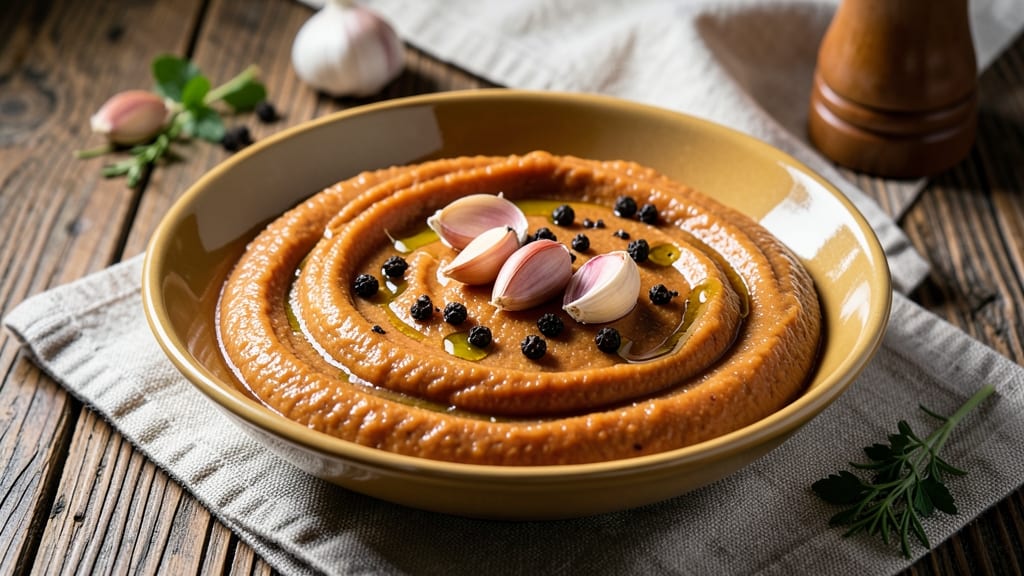
This sweet potato paste recipe transforms humble sweet potatoes into a velvety, ultra-smooth blend perfect for elevating soups, stews, and sauces. Roasting the potatoes first deepens their natural sweetness and creates a silky texture that's impossible to achieve with raw ingredients.
The process is straightforward but yields a versatile condiment that adds depth to both savory and slightly sweet dishes.
The key to success lies in proper roasting and blending—start with evenly cooked sweet potatoes to avoid gritty textures, then refine the blend until it reaches a perfectly smooth consistency.
This paste serves as a rich base for soups, a flavorful addition to mashed potatoes, or even a sweet spread when mixed with spices. Its natural sweetness balances savory flavors beautifully while adding a subtle earthiness that enhances any dish.
What makes this recipe truly special is its versatility. Use it as a thickener in stews, a flavor booster in sauces, or even as a natural sweetener in baked goods.
The paste keeps well in the refrigerator for up to a week or can be frozen for longer storage, making it a convenient pantry staple. Whether you're cooking for a crowd or prepping meals ahead, this sweet potato paste delivers restaurant-quality results with minimal effort.
For best results, choose firm sweet potatoes with smooth skins and avoid any with soft spots. The roasting process enhances their natural sugars, creating a paste that's both flavorful and smooth.
Once blended, store it in an airtight container in the fridge, and enjoy its rich, velvety texture in your favorite dishes. This recipe is a game-changer for anyone looking to add depth and natural sweetness to their cooking.
Ingredients for sweet potato paste
Eight simple ingredients create a restaurant-quality sweet potato paste for soups and stews.
| Ingredient | Amount | Notes |
|---|---|---|
| Sweet Potatoes 🍠 | 3 lb | Firm, smooth-skinned, peeled |
| Extra-Virgin Olive Oil 🫒 | ¼ cup | For roasting and blending |
| Water 💧 | ½ cup | For blending consistency |
| Salt 🧂 | 1 tsp | Kosher or sea salt |
| Ground Black Pepper 🌶️ | ½ tsp | Freshly ground preferred |
| Garlic Cloves 🧄 | 2 cloves | Roasted for depth of flavor |
| Cinnamon 🌿 | ½ tsp | Optional for warmth |
| Maple Syrup 🍯 | 1 tbsp | For added sweetness |
The sweet potatoes are the foundation—choose orange-fleshed varieties like Jewel or Beauregard for maximum sweetness. Whole Foods or local farmers markets often carry the best quality, but any firm, smooth-skinned sweet potato works. Roasting enhances their natural sugars, so don't skip this step. For the olive oil, California avocado oil or extra-virgin olive oil both work well, but avoid refined oils that lack flavor. The garlic should be roasted alongside the potatoes to deepen its flavor without bitterness.
No maple syrup? Agave nectar or honey work just as well, though honey isn't vegan. Short on cinnamon? Nutmeg or allspice add warmth too. The water amount can be adjusted slightly—add more if the blend feels too thick. For a savory version, skip the maple syrup entirely and add a pinch of smoked paprika instead. If you prefer a stronger flavor, roast the garlic separately and blend it in at the end.
This paste thickens as it cools, so store it in an airtight container with a thin layer of olive oil on top to preserve freshness. Keeps for 1 week in the fridge or 3 months in the freezer. Portion into ice cube trays for easy use in soups and sauces. The paste thickens when reheated, so thin with water or broth if needed. For a smoother texture, blend again briefly after refrigeration.
Why You'll Love This Recipe
- No-Fuss Blender Magic: I peel and chop sweet potatoes while the kettle boils—no chopping boards, no mess. The blender does all the work, turning humble spuds into velvety gold with just a pulse.
- Rich, Earthy Depth: That first spoonful? Pure satisfaction. The olive oil keeps it luscious, while the pepper adds a whisper of heat—simple ingredients, but the balance is ridiculously good.
- Pantry Staple Upgrade: Slather it on toast for breakfast, stir it into soups for lunch, or dollop it on roasted veggies. Honestly, I’ve used it in everything from tacos to pasta, and it never lets me down.
- Budget-Friendly Luxury: Sweet potatoes stretch my grocery budget further than I ever thought possible. A single batch feeds my family for days, and the olive oil adds that restaurant-quality touch without breaking the bank.
Step-by-step instructions for sweet potato paste
Transform humble sweet potatoes into a velvety-smooth paste perfect for elevating soups and stews.
Prep and Roast the Sweet Potatoes
Preheat your oven to 400°F and line a baking sheet with parchment paper. Cut the 3 lb sweet potatoes into 1-inch chunks, removing any remaining skin if needed. Toss the chunks with 0.25 cup extra-virgin olive oil until evenly coated—the oil will help create a rich, caramelized flavor during roasting.
Spread the sweet potatoes in a single layer on the baking sheet, leaving space between each piece for even browning. Roast for 30-35 minutes, stirring halfway through, until the edges are deep golden brown and the flesh yields slightly when pressed with a fork. The roasting process develops natural sweetness and prevents bitterness in the final paste.
Roast the Garlic and Prepare Seasonings
While the sweet potatoes roast, place the 2 cloves garlic on a separate small baking sheet or directly on the oven rack. Roast for 10-12 minutes until the cloves are soft and golden brown, with a caramelized aroma. This roasting enhances their sweetness and depth of flavor compared to raw garlic.
In a small bowl, combine the 1 tsp salt, 0.5 tsp ground black pepper, 0.5 tsp cinnamon, and 1 tbsp maple syrup. Mix well to create a balanced seasoning blend that will complement the sweet potatoes' natural sweetness and add warmth to the paste.
Blend Until Ultra-Smooth
Transfer the roasted sweet potatoes to a high-powered blender or food processor. Add the roasted garlic cloves, the seasoning mixture, and 0.5 cup water. Start blending on low speed to break up the larger pieces, then gradually increase to high speed. Blend for 2-3 minutes, stopping occasionally to scrape down the sides with a spatula.
You're aiming for a silky-smooth texture with no visible chunks. If the mixture is too thick, add more water 1 tablespoon at a time until it reaches a pourable consistency. The paste should be thick enough to coat the back of a spoon but still blendable. Taste and adjust seasoning if needed—this is your chance to perfect the flavor balance.
Finish and Store Properly
Once the paste reaches your desired consistency, transfer it to a clean glass jar or airtight container. The paste will be warm—let it cool completely before sealing. For best results, refrigerate for up to 5 days or freeze for up to 3 months. The paste will thicken as it cools, so you may need to thin it with a splash of water or broth when ready to use.
This versatile paste can be used as a base for soups, a thickener for stews, or even as a spread for toast. The roasting process and careful blending ensure a rich, flavorful result that will elevate any dish you add it to. Store any leftovers in the refrigerator or freezer for future use.
Pro Tips For Making Sweet Potato Paste
- Peel and Cube Small: Sweet potatoes are stubborn—thick chunks take forever to break down. Cut them into ½-inch cubes (no bigger) and you’ll save 10 minutes of mashing later. I learned this after staring at a lump-riddled paste wondering why my blender kept stalling.
- Roast Until Collapsed: Skip boiling—roast the cubes at 400°F (200°C) for 25-30 minutes until they’re soft enough to pierce with a fork. The edges should darken just slightly, but they’ll turn to mush when pressed. Overcooking here turns your paste gummy, and nobody wants that.
- Salt the Water Hard: Use 1½ teaspoons of salt per 4 cups of water (yes, that’s a lot). The sweet potatoes absorb flavor as they simmer, and you’ll taste the difference when blending. I used to skimp, and the paste always tasted bland—like it needed something, but I couldn’t put my finger on it.
- Blend in Stages: Pour the roasted sweet potatoes into the blender dry first, then add olive oil and water in small batches. This prevents splattering and ensures a silky texture—no grainy bits sneaking through. I tried dumping everything in at once once, and the paste ended up looking like wet sand. Not ideal.
Flavor customization for this sweet potato paste
Sweet and Savory
Balance the natural sweetness with savory elements by adding 1 tsp smoked paprika or ½ tsp cumin to the blend. These spices create a perfect harmony for Mexican-inspired dishes like chili or tacos.
I like to add ½ cup roasted red peppers to the blend for extra depth—simply roast them alongside the sweet potatoes. 🌶️
Spiced Chai Version
Transform your paste into a chai-inspired spread by adding ½ tsp cardamom, ¼ tsp cloves, and ¼ tsp ginger during blending. This aromatic twist works beautifully in curries or as a sweet spread on toast with a sprinkle of cinnamon.
For extra richness, stir in 1 tbsp coconut milk while blending.
Herb-Infused Twist
Brighten up your paste with fresh herbs like 1 tbsp chopped rosemary or 1 tbsp chopped thyme added during blending. These herbs pair wonderfully with roasted meats or as a base for herb-infused soups.
For a Mediterranean touch, add 1 tbsp lemon zest and 1 tbsp chopped parsley at the end for a zesty kick.
Sweet and Tangy
Add a tangy element by incorporating 1 tbsp apple cider vinegar or 1 tbsp balsamic glaze into the blend. This variation works brilliantly as a glaze for roasted vegetables or as a dip for pretzels.
The acidity cuts through the sweetness, creating a well-rounded flavor profile that’s perfect for appetizers or snacks.
Creamy and Rich
For a richer texture, blend in ¼ cup Greek yogurt or ¼ cup tahini after the initial blend. This version works as a thick, creamy dip for veggies or a spread for sandwiches.
If you prefer a vegan option, use ¼ cup coconut cream instead. The creaminess complements the earthy sweetness beautifully.
Smoky BBQ Base
Create a smoky BBQ-inspired paste by adding 1 tsp liquid smoke and 1 tbsp tomato paste to the blend. This version is perfect for glazing ribs, chicken, or even as a marinade.
For extra depth, add ½ tsp onion powder and ½ tsp mustard powder to enhance the smoky flavor profile. 🔥
Nutrition facts
Frequently asked questions
Can I make this sweet potato paste without roasting?
Roasting is key for developing the deep, caramelized sweetness and smooth texture. If you skip it, the paste will taste raw and bitter. For a quick alternative, steam the sweet potatoes first (about 15 minutes until fork-tender), but expect a milder flavor and slightly grainier texture.
How do I fix a paste that's too thick or too thin?
If too thick, thin with 1 tablespoon water or broth at a time while blending. For a thicker paste, simmer it uncovered on low heat for 5-10 minutes to evaporate excess moisture. Always taste as you go—adjust gradually to avoid ruining the balance.
What are the best ways to use this paste?
Use it as a soup thickener (start with 1 tbsp per bowl), stir into stews for depth, or spread on toast with spices. It also works as a glaze for roasted veggies—brush on 5 minutes before cooking for a caramelized finish. For dips, mix with Greek yogurt or tahini.
Can I freeze sweet potato paste?
Yes! Portion into ice cube trays, freeze, then transfer to a bag. Thaw overnight in the fridge—it may thicken further. For soups, add frozen cubes directly to hot broths. Freeze for up to 3 months for best quality. Label with the date to track freshness.
Why does my paste taste bitter?
Bitter flavors usually mean the sweet potatoes were overcooked or not roasted enough. For next time, roast at 400°F for 30-35 minutes, stirring once. If already made, balance bitterness by adding 1 tsp maple syrup or honey while blending. Avoid high-heat cooking after roasting.