
Side Dishes
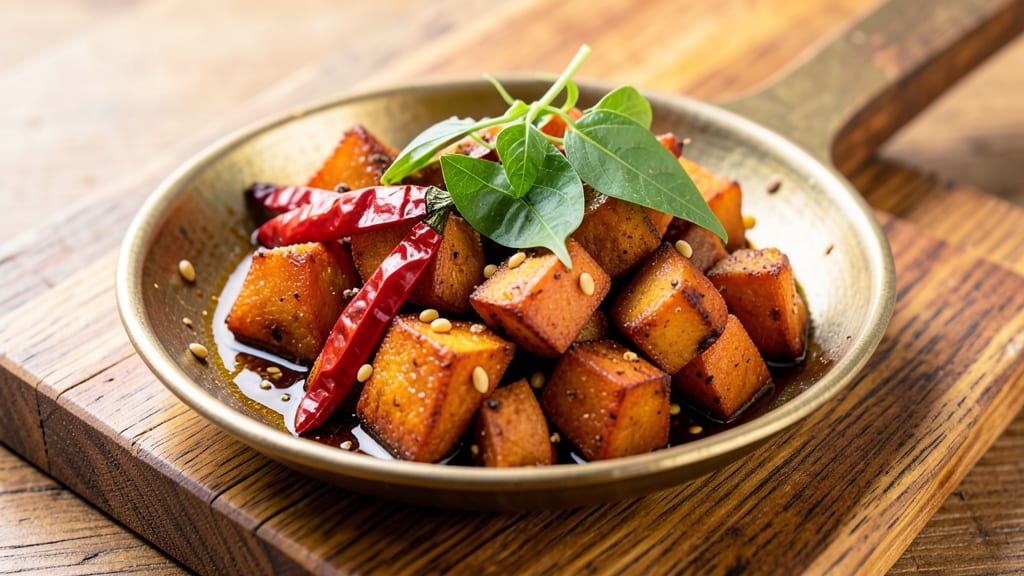
This sweet potato palya recipe brings the vibrant flavors of South India to your table with its perfect balance of crisp-tender sweet potatoes and aromatic spices. The dish transforms humble ingredients into a restaurant-worthy side that pairs beautifully with rice or dosas.
What makes palya special is its ability to turn simple vegetables into a flavorful, textured delight through careful frying and spice tempering.
The key to achieving that signature crisp-tender texture lies in the two-stage cooking process—first frying the sweet potatoes until golden, then finishing them in a fragrant spice blend. This technique ensures each bite delivers both satisfying crunch and melt-in-your-mouth softness.
The dish is traditionally made with minimal oil and maximum flavor, making it both healthy and deeply satisfying.
What you'll end up with is a golden, aromatic side dish that's as visually appealing as it is delicious. The sweet potatoes absorb the warm spices perfectly, creating a harmonious blend of sweet, tangy, and savory notes.
This dish is a staple in South Indian meals, often served alongside rice or as part of a full vegetarian spread.
Ready to make this crisp-tender delight? The recipe is simple yet transformative, perfect for anyone looking to add authentic South Indian flavors to their cooking repertoire. Let's get started with the ingredients and step-by-step instructions.
Ingredients for sweet potato palya
Transform humble sweet potatoes into a South Indian crisp-tender delight with these aromatic spices and two-stage cooking technique.
| Ingredient | Amount | Notes |
|---|---|---|
| Sweet Potatoes 🍠 | 2 lbs | Medium-sized, peeled and cut into 1-inch cubes |
| Vegetable Oil 🫒 | ½ cup | For shallow frying, high smoke point |
| Mustard Seeds 🌿 | 1 tbsp | Whole, for tempering |
| Dried Red Chilies 🌶️ | 6 pieces | Kashmiri or red chili, broken |
| Curry Leaves 🌿 | ¼ cup | Fresh, lightly crushed |
| Asafoetida Powder 🌶️ | ¼ tsp | For aroma, optional but recommended |
| Turmeric Powder 🧂 | ½ tsp | Freshly ground preferred |
| Cumin Seeds 🌿 | 1 tsp | Toasted for deeper flavor |
| Mustard Oil 🫒 | 1 tbsp | For finishing, optional |
| Salt 🧂 | 1 ½ tsp | Diamond Crystal preferred |
| Lemon Juice 🍋 | 1 tbsp | Freshly squeezed |
| Fresh Coriander Leaves 🌿 | ¼ cup | Chopped, for garnish |
The sweet potatoes are the foundation—choose firm, vibrant orange varieties with no soft spots. Whole Foods or Indian grocery stores often carry the best quality. Peeled and cut into even 1-inch cubes, they'll fry uniformly for that signature crisp-tender texture. For the spices, Madras Curry House or M.P. Birla brands deliver authentic South Indian flavor profiles. Mustard seeds and curry leaves are non-negotiable—they carry the dish's signature aroma. Toast your cumin seeds until fragrant for deeper flavor development, about 30 seconds in a dry pan.
No mustard oil? Vegetable oil works perfectly—just add a pinch of asafoetida for that signature depth. Running short on curry leaves? Dried leaves at one-third the amount suffice, though fresh is ideal. The dried red chilies should be vibrant, not faded—check the spice aisle at Indian markets for fresh batches. Lemon juice can be swapped for vinegar in a pinch, though fresh lemon brightens the dish. For extra crunch, increase frying time by 2-3 minutes, but watch closely to avoid burning. The cubes should be golden with slight char on edges when properly cooked.
Palya reheats beautifully—5 minutes in a skillet over medium heat restores crispiness. Store in airtight containers for 3 days in the fridge, though flavor peaks on day one. Freeze for up to 2 months by spreading cubes on a tray first to prevent clumping. Garnish with fresh coriander just before serving—it adds vibrant color and freshness. This dish pairs perfectly with steamed rice or dosas, making it an ideal weeknight meal or festive side.
Why You'll Love This Recipe
- No Chopping Chaos: I’ll be real—this dish only needs sweet potatoes sliced into thick rounds. No julienne peeling, no dice precision, just a knife and a cutting board. My lazy Sundays thank me every time.
- Crispy-Creamy Magic: That first sizzle of mustard seeds and red chilies in hot oil? Instant flavor explosion. The sweet potatoes soak up the spice while staying tender—crispy edges, soft centers, and curry leaves that smell like home.
- Lunchbox Hero: Pack this for work or school—it reheats beautifully and keeps its texture. Between us, my kids actually finish their lunch when it’s this in their bento box. (Yes, even on a Tuesday night.)
- Pantry Staple Power: Sweet potatoes last forever, and the other ingredients? Basic. No specialty shopping, no wasted money. I’ve fed six people for under $10 with this—plus leftovers taste just as good the next day.
Step-by-step instructions for sweet potato palya
Master this South Indian classic with crisp-tender sweet potatoes and aromatic tempering.
Prepare the Sweet Potatoes
Peel the 2 lbs sweet potatoes and cut them into 1-inch cubes—uniform size ensures even cooking. Soak the cubes in cold water for 10 minutes to remove excess starch, then drain and pat dry thoroughly with a clean kitchen towel. This step prevents the potatoes from absorbing too much oil during frying, resulting in crispy exteriors while keeping the centers tender.
Heat 0.5 cup vegetable oil in a heavy-bottomed pan over medium heat until it shimmers but doesn't smoke. Add the sweet potato cubes in a single layer, ensuring they don't overlap. Cook for 8-10 minutes, stirring gently every 2 minutes, until they turn golden brown and develop a slight crispness. Remove and set aside on a paper towel-lined plate—they'll continue cooking from residual heat.
Create the Aromatic Tempering
In the same pan, reduce heat to low and add 1 tbsp mustard seeds. Let them splutter for 30 seconds until they begin to pop—this releases their nutty aroma. Add 6 pieces dried red chilies and 1 tsp cumin seeds, cooking for another 30 seconds until the spices sizzle and turn fragrant.
Next, add 0.25 cup curry leaves and 0.25 tsp asafoetida powder, stirring for 10 seconds until the leaves darken slightly. Sprinkle in 0.5 tsp turmeric powder and 1.5 tsp salt, mixing for 20 seconds to bloom the spices. The pan should now fill with an intoxicating aroma—this is the soul of the dish.
Combine and Finish
Add the crisp-tender sweet potatoes to the spiced pan and toss gently to coat them evenly in the aromatic oil. Cook for 2 minutes on low heat, allowing the flavors to meld. Drizzle in 1 tbsp lemon juice and 1 tbsp mustard oil, tossing once more to incorporate. The lemon brightens the dish, while the mustard oil adds a subtle depth.
Remove from heat and garnish immediately with 0.25 cup chopped fresh coriander leaves. Serve warm as a side dish or with rice, ensuring the crispy potatoes retain their texture. The dish should balance sweetness from the potatoes with the bold, spiced tempering—a perfect harmony of textures and flavors.
Pro Tips For Making Sweet Potato Palya
- CUT POTATOES UNIFORMLY: Sweet potato palya demands consistency—slice them into even ½-inch cubes. I learned this the hard way: uneven pieces mean some burn while others stay raw. A mandoline helps, but a sharp knife and steady hand work too. No one wants a mouthful of undercooked centers.
- SALT THE POTATOES FIRST: Toss the sweet potato cubes with ½ teaspoon salt and let them sit for 10 minutes before cooking. This draws out moisture, so they crisp up properly instead of steaming in their own juices. Trust me, your palya will thank you—no soggy texture here.
- DON’T SKIP THE TWO-STAGE FRY: First fry the potatoes in batches on medium heat until they’re golden but still slightly soft (about 5 minutes). Then crank the heat to high and let them crisp for another 2–3 minutes. Rushing the second fry makes them greasy; letting them sit too long turns them rubbery. Balance is key.
- ADD CURRY LEAVES LATE: Temper the mustard seeds and chilies first, then toss in the curry leaves only when the oil is shimmering but not smoking. If you add them too early, they’ll turn bitter. I was skeptical until I tried it—now I swear by the fresh, bright aroma they bring right at the end.
Best sauces and condiments for this dish
Classic South Indian Tempering
The traditional tempering for sweet potato palya starts with 1 tablespoon mustard seeds and 6 dried red chilies in hot oil. Let the mustard seeds pop for 30 seconds—this releases their signature aroma.
I always add 1 teaspoon cumin seeds next, toasting until fragrant. The key is patience: rushing this step dulls the flavors. 🌶️
Coconut Chutney Pairing
For a creamy contrast, serve with homemade coconut chutney—blend 1 cup grated coconut, 1 green chili, and ½ teaspoon salt with 3 tablespoons water.
The cool, tangy chutney cuts through the richness of the fried potatoes. I buy my coconut from Trader Joe's frozen section for convenience.
Spicy Tamarind Sauce
Add tangy heat with a quick tamarind sauce: mix 2 tablespoons tamarind paste, 1 tablespoon jaggery, and ½ teaspoon red chili powder with ¼ cup water. Simmer for 5 minutes**—this sauce elevates the dish to restaurant-level quality. I keep tamarind paste in the fridge for easy access.
Yogurt Drizzle Option
Thin ¼ cup plain yogurt with 1 tablespoon water, then mix with ½ teaspoon roasted cumin powder and pinch of salt. Drizzle over the hot palya just before serving—this adds a refreshing, cooling element that balances the spice. I use Fage 5% Greek yogurt for thickness.
Sweet Date-Cardamom Sauce
For a dessert-like twist, blend ½ cup dates, 2 cardamom pods, and ¼ cup warm water until smooth. Drizzle lightly over the palya—this sweet-savory combo works surprisingly well. I soak dates in warm water for 10 minutes before blending for easier processing.
Nutrition facts
Frequently asked questions
Can I use regular potatoes instead of sweet potatoes?
While you can substitute regular potatoes, the flavor and texture will differ significantly. Sweet potatoes have a natural sweetness and creamier texture that pairs perfectly with the spiced tempering. For a similar texture, try yams or purple sweet potatoes—but expect a milder flavor profile. If using regular potatoes, reduce cooking time by 1-2 minutes to prevent over-browning.
How do I make this dish less oily?
To reduce oil content, use a non-stick pan and reduce oil to 0.375 cup while increasing heat slightly to medium-high. Also, pat the sweet potatoes extremely dry before frying to minimize oil absorption. For an even healthier version, air-fry the potatoes at 375°F for 15 minutes, then toss with the spice tempering cooked separately. The texture will be slightly different but still delicious!
What's the secret to getting perfectly crispy sweet potatoes?
The key is threefold: uniform cube size, proper drying, and low-medium heat. Cut potatoes into 1-inch cubes (no smaller) and pat them completely dry with paper towels. Fry in batches if needed to avoid overcrowding the pan. Cook at medium heat for 8-10 minutes, stirring every 2 minutes—this creates even browning without burning. The potatoes should be golden with slight char on edges.
Can I make this dish ahead of time?
Yes! Palya reheats beautifully. Cook the sweet potatoes completely, then store in an airtight container in the fridge for 3 days. To restore crispiness, reheat in a skillet over medium heat for 5 minutes, adding 1 teaspoon oil to prevent drying. For longer storage, freeze the cooked potatoes for up to 2 months—thaw overnight in the fridge before reheating. The spices will mellow slightly but the dish remains flavorful.
What's the difference between palya and stir-fry?
While both involve cooking vegetables quickly, palya has distinct characteristics: it uses a two-stage cooking process (frying then tempering), creates crisp-tender texture, and features South Indian spice tempering. Stir-fry typically uses higher heat, more oil, and often includes protein. Palya focuses on vegetable-centric flavor development through careful spice blooming—think of it as a cross between a stir-fry and a dry sabzi with extra crunch!