
Side Dishes
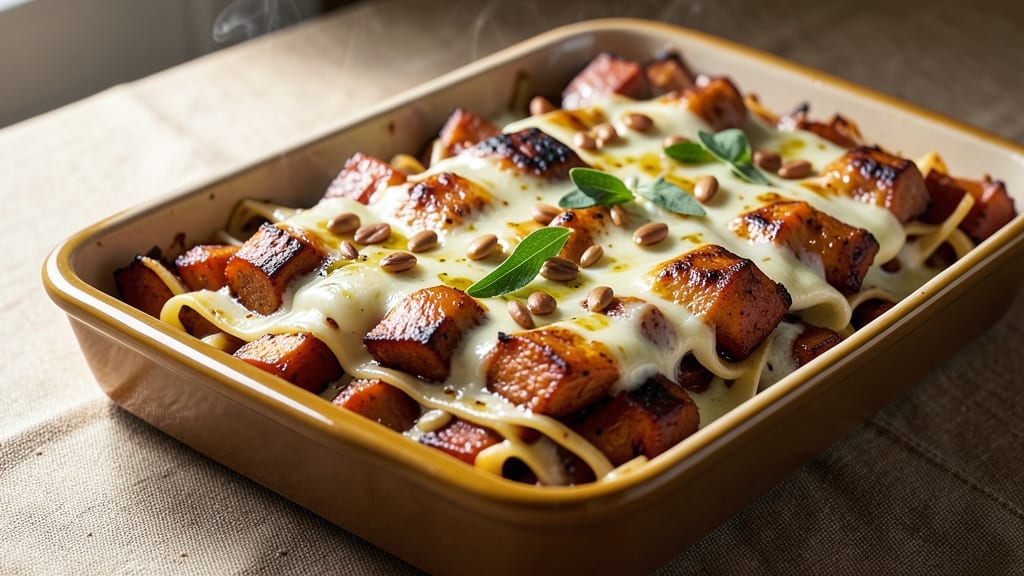
This sweet potato lasagne transforms humble ingredients into a deeply satisfying dish that feels like a warm hug on a chilly evening. The secret lies in roasting the sweet potatoes until caramelized and tender, creating layers of earthy sweetness that pair perfectly with creamy béchamel and melted cheese.
I developed this recipe after years of experimenting with vegetable lasagnes, and the result is a dish that's hearty enough to stand alone but elegant enough for company.
The beauty of this lasagne is in its balance—sweet potatoes bring natural sweetness and vibrant color, while the béchamel adds richness without overpowering. Standard lasagne sheets hold the layers together beautifully, but I've included alternatives for gluten-free or vegan adaptations.
Baking at 375°F ensures the lasagne develops a golden crust while keeping the filling perfectly tender.
What you'll end up with is a lasagne that's rich, comforting, and packed with flavor in every bite—the caramelized sweet potatoes, creamy sauce, and melted cheese create a symphony of textures and tastes.
The aroma alone will have everyone gathering around the table, and the leftovers reheat beautifully for days of delicious meals.
Perfect for family dinners, holiday gatherings, or when you simply crave something hearty and satisfying. This recipe delivers restaurant-quality results with minimal effort, making it ideal for both beginners and experienced cooks. Let's get started!
Ingredients for sweet potato lasagne
Roasted sweet potatoes and creamy béchamel make this lasagne hearty yet elegant—perfect for comforting gatherings.
| Ingredient | Amount | Notes |
|---|---|---|
| Large Sweet Potatoes 🍠 | 3 whole | Organic preferred, peeled and cubed |
| Extra-Virgin Olive Oil 🫒 | ½ cup | For roasting and drizzling |
| Lasagne Sheets 🍝 | 12 whole | No-boil preferred, gluten-free optional |
| Heavy Cream 🥛 | 2 cups | Full-fat for optimal richness |
| Unsalted Butter 🧈 | 4 tbsp | European-style preferred |
| All-Purpose Flour 🌾 | ½ cup | For béchamel roux |
| Sharp White Wine 🍷 | ½ cup | Dry, like Sauvignon Blanc |
| Nutritional Yeast 🧀 | ¼ cup | For cheesy flavor boost |
| Sharp Cheddar Cheese 🧀 | 2 cups | Shredded, aged 6+ months |
| Parmesan Cheese 🧀 | 1 cup | Freshly grated from block |
| Garlic Cloves 🧄 | 4 cloves | Minced for béchamel |
| Fresh Thyme Leaves 🌿 | ¼ cup | Chopped for aromatic depth |
| Sea Salt 🧂 | 1 ½ tsp | Diamond Crystal preferred |
| Freshly Ground Black Pepper 🌶️ | ½ tsp | Cracked peppercorns preferred |
| Fresh Sage Leaves 🌿 | 1 tbsp | Chopped for garnish |
The sweet potatoes are the star here. Organic sweet potatoes from Whole Foods or local farms have the best flavor, but any large, firm ones work. Peel them first—those fibrous edges can get gummy when roasted. For extra caramelization, toss the cubes with a pinch of salt before roasting. I always roast mine at 400°F for 30 minutes until they're tender and golden. The no-boil lasagne sheets are a game-changer—they hold up perfectly without pre-cooking, but if you prefer traditional, boil them for 2 minutes. Barilla or De Cecco are my go-tos for that perfect al dente texture.
No sharp white wine? Substitute with extra chicken broth—just add a splash of lemon juice to mimic the acidity. For a dairy-free béchamel, swap heavy cream for full-fat coconut milk and use olive oil instead of butter. The nutritional yeast is non-negotiable for that cheesy depth—it's what makes this lasagne feel indulgent without the dairy. If you can't find it, use 1/4 cup miso paste plus 1/4 cup soy sauce as a backup. The thyme and sage can be swapped for dried oregano at half the amount, but fresh is worth the extra minute of chopping. Pre-shredded cheese? Toss it with cornstarch to prevent clumping, or grate your own—it melts so much better.
This lasagne tastes even better the next day—honestly, the flavors meld into something magical. Store leftovers covered in the fridge for 4-5 days, or freeze portions for up to 3 months. To reheat, cover with foil and warm at 350°F for 20-25 minutes. I always make a double batch because it disappears faster than you'd think. The béchamel can be made ahead and reheated gently—just stir in a splash of milk to loosen it up. For extra crispiness on top, broil for 2-3 minutes at the very end, but watch it like a hawk—cheese burns faster than you'd expect.
Why You'll Love This Recipe
- Sweet Potato Shortcut: I peel, slice, and roast the potatoes while I boil water for the noodles—no waiting around. That crispy, caramelized edge on the sweet potatoes? Worth the 10 minutes of hands-off time.
- Creamy Rich Magic: The heavy cream and butter in that béchamel layer? It turns this into something ridiculously indulgent—like a hug in lasagne form. (Yes, even if you’re pretending to eat healthy.)
- Leftovers That Win: This keeps perfectly for four days, reheats in minutes, and my kids actually ask for it. Honestly, I make a double batch just so I can sneak seconds later.
- Budget-Friendly Feast: Sweet potatoes stretch further than regular lasagne layers, and lasagne sheets are cheaper than fresh pasta. One pan, minimal ingredients, and a meal that feels fancy without the price tag.
Step-by-step instructions for sweet potato lasagne
Here's how to build this hearty lasagne with layers of roasted sweet potato and creamy béchamel.
Roast the Sweet Potatoes to Caramelized Perfection
Preheat your oven to 425°F. Toss the 3 whole large sweet potatoes, peeled and cut into ½-inch cubes, with 2 tablespoons of the extra-virgin olive oil, 1 teaspoon sea salt, and ¼ teaspoon black pepper on a rimmed baking sheet. Spread them in a single layer for even cooking.
Roast for 25-30 minutes, stirring once halfway through, until the edges are deep golden brown and the cubes are tender when pierced with a fork. The sweet potatoes should caramelize beautifully—this is where their natural sugars develop that rich, earthy depth. If they're browning too quickly, tent with foil to prevent burning while they finish cooking.
Prepare the Creamy Béchamel Sauce
In a medium saucepan, melt the 4 tablespoons unsalted butter over medium heat until foaming. Whisk in the ½ cup all-purpose flour and cook for 1-2 minutes until the mixture turns a light golden color—this is your roux. Here's the thing: don't rush this step or you'll end up with a floury, grainy sauce instead of the silky texture we want.
Gradually whisk in the 2 cups heavy cream and ½ cup sharp white wine, ensuring no lumps form. Stir in the ¼ cup nutritional yeast, 1 cup parmesan cheese, and 1 teaspoon sea salt. Cook for 5-7 minutes until the sauce thickens enough to coat the back of a spoon. Remove from heat and stir in the 4 minced garlic cloves and ¼ cup chopped fresh thyme leaves—this adds aromatic depth that ties everything together.
Assemble the Lasagne Layers
In a 9x13-inch baking dish, spread ½ cup of the béchamel sauce on the bottom. Arrange 4 lasagne sheets slightly overlapping, then sprinkle with ½ cup sharp cheddar cheese. Add ⅓ of the roasted sweet potatoes, then another ½ cup béchamel. Repeat the layering process once more with 4 lasagne sheets, ½ cup cheddar, ⅓ sweet potatoes, and ½ cup béchamel.
For the final layer, top with the remaining 4 lasagne sheets, all remaining sweet potatoes, and the remaining 1 cup béchamel sauce. The key here is to keep the layers even—this ensures each bite delivers that perfect balance of creamy sauce, tender sweet potato, and crispy lasagne sheets. Press down gently on each layer to eliminate air pockets that could prevent even cooking.
Bake Until Bubbly and Golden
Cover the lasagne tightly with aluminum foil and bake at 375°F for 30 minutes. Remove the foil and bake for another 15-20 minutes until the top is golden brown and bubbling at the edges. The cheese should be melted and slightly crispy on top—this is your signal that the lasagne is fully cooked through.
Let the lasagne rest for 10-15 minutes before slicing. This resting period allows the layers to set and prevents a runny lasagne. Garnish with the 1 tablespoon chopped fresh sage leaves just before serving. Each bite should deliver that perfect combination of creamy béchamel, caramelized sweet potatoes, and crispy lasagne sheets—true comfort food at its finest.
Pro Tips For Making Sweet Potato Lasagne
- Peel and Cube First: I used to slice sweet potatoes raw—big mistake. Cut them into 1-inch cubes before boiling so they cook evenly and don’t turn to mush. A steamer basket makes this easier, and you’ll end up with tender, fork-tender pieces that hold their shape in the lasagne.
- Salt the Boiling Water: Sounds obvious, but I skipped it once and the sweet potatoes stayed bland. Add a generous pinch of salt to the boiling water—they absorb it like a sponge, balancing the richness of the heavy cream later. (Yes, even if you’re using salted butter in the sauce.)
- Parboil, Not Boil Dry: Sweet potatoes finish cooking in the oven, but start them half-done: boil until just tender (about 8-10 minutes for 1-inch cubes). Overcooking turns them gluey, and no one wants a lasagne that’s basically a puddle. Test with a fork—it should pierce easily but still have a tiny bite.
- Layer Butter Last: Drizzle unsalted butter over the top of the final lasagne layer, not the bottom. It melts into the cream and sweet potatoes during baking, adding a silky finish. Skip this, and you’ll just end up with a greasy mess on the pan. (Trust me, I’ve done it.)
Best sauces and condiments for this sweet potato lasagne
Caramelized Sweet Potato Glaze
Take the roasted sweet potatoes from your lasagne and blend them with 2 tablespoons heavy cream, 1 tablespoon unsalted butter, and ½ teaspoon cinnamon until smooth. Drizzle this silky glaze over the top of your baked lasagne before serving—it adds a luxurious sweetness that complements the savory layers.
I love doing this with a spoon for that restaurant-quality presentation. 🍠
Brown Butter Sage Sauce
For a sophisticated twist, make a quick brown butter sauce by cooking 3 tablespoons unsalted butter in a pan until golden and nutty. Remove from heat, stir in 1 tablespoon chopped fresh sage, and let steep for 2 minutes.
Drizzle this aromatic sauce over individual portions just before serving—it adds an earthy depth that pairs beautifully with the sweet potatoes. 🌿
Spicy Arrabbiata Drizzle
Simmer ½ cup marinara sauce with ½ teaspoon red pepper flakes and 1 minced garlic clove for 5 minutes. Blend until smooth, then strain for a silky texture. This spicy drizzle cuts through the richness of the lasagne while adding a bright, tangy contrast.
I keep a jar of this in my fridge for quick flavor boosts. 🌶️
Garlic-Herb Oil
Infuse ½ cup extra-virgin olive oil with 3 minced garlic cloves, 1 teaspoon dried oregano, and ½ teaspoon red pepper flakes for 10 minutes over low heat. Strain and drizzle lightly over the lasagne before serving—it enhances all the flavors without overpowering them.
This works especially well if your lasagne feels a bit heavy after baking. 🫒
Balsamic Reduction
Reduce ¼ cup balsamic vinegar in a small saucepan until syrupy (about 5-7 minutes). Drizzle just before serving to add a tangy, slightly sweet contrast that brightens the entire dish.
The acidity cuts through the richness, making each bite more vibrant. I use this technique on many Italian dishes for that restaurant-quality finish. 🍷
Fresh Herb Garnish
Always finish your lasagne with fresh herbs—try a mix of chopped parsley, thyme, and sage for a pop of color and freshness. The herbs not only look beautiful but also add a bright, aromatic note that balances the richness.
I like to sprinkle them just before serving so they stay vibrant and fragrant. ✨
Nutrition facts
Frequently asked questions
Can I use regular potatoes instead of sweet potatoes?
While you can substitute regular potatoes, the flavor and texture will be completely different. Sweet potatoes bring natural sweetness and a creamy, earthy depth that pairs perfectly with the béchamel. Regular potatoes would make the lasagne heavier and less flavorful. If you're set on using them, try roasting Yukon Golds for a slightly sweeter alternative.
How do I make this lasagne gluten-free?
Swap the regular lasagne sheets for gluten-free pasta sheets (like Barilla GF) and ensure your béchamel uses a gluten-free flour blend. Check that all cheeses are certified gluten-free too. The cooking time remains the same—just monitor closely for browning.
Why did my lasagne come out soggy?
Soggy lasagne usually happens from overcooking or not draining excess moisture from the sweet potatoes. Always pat roasted sweet potatoes dry before layering, and avoid overbaking—the cheese should be melted but not rubbery. Covering with foil during the first 30 minutes of baking helps trap steam properly.
Can I prep this lasagne ahead of time?
Assemble the lasagne up to 24 hours ahead and refrigerate uncovered for 30 minutes to let flavors meld. Cover tightly and bake as directed. For freezing, assemble completely (including final cheese layer), cover with foil, and freeze for up to 3 months. Thaw overnight before baking.
What's the best way to reheat leftovers?
Cover with foil and reheat at 350°F for 20-25 minutes until bubbly. For extra crispiness, broil for 2-3 minutes at the end. Avoid microwaving—it makes the lasagne gummy. The flavors actually improve after the first day!