
Side Dishes
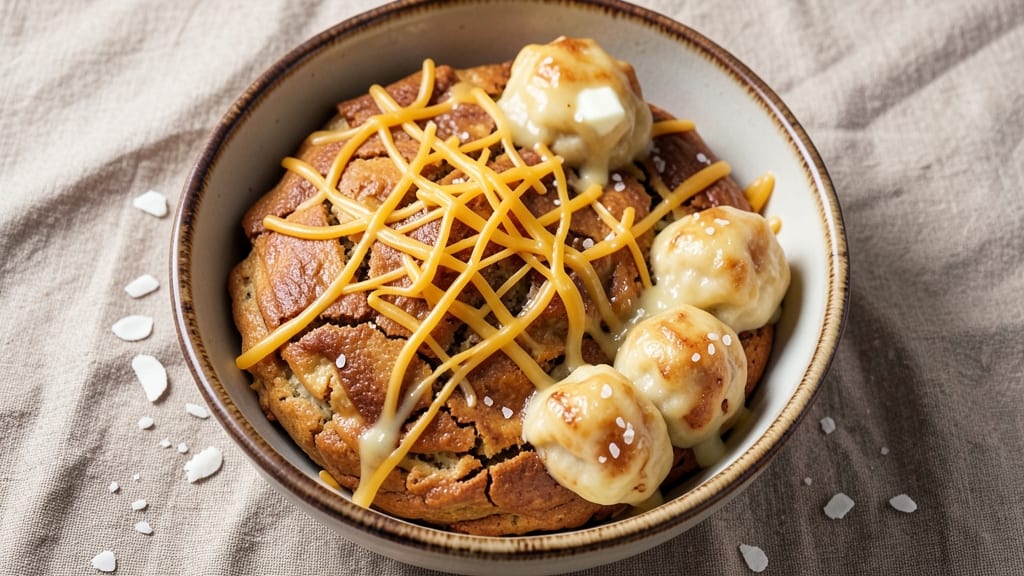
This sweet potato kong recipe delivers the perfect balance of crispy golden crust and creamy, cheesy sweet potato filling—a beloved Filipino dessert that’s as nostalgic as it is delicious.
The secret lies in the layered technique: boiled sweet potatoes mashed with coconut milk and sugar, wrapped in a flaky, cheese-rich dough, and steamed to golden perfection. Every bite offers a satisfying crunch followed by a velvety, slightly sweet center that feels like a warm hug in dessert form.
The recipe stays true to tradition while simplifying the process for home cooks. You’ll start with sweet potatoes boiled until tender, then mashed with coconut milk and sugar for that signature sweetness.
The dough, made with flour, butter, and cheese, forms a crispy, cheesy exterior that contrasts beautifully with the soft filling. Pandan leaves add an aromatic touch, elevating the dish from homemade to restaurant-quality.
What makes this recipe truly special is the crispy crust—achieved through careful layering and steaming—that stays crunchy even after cooling. The result is a dessert that’s perfect for gatherings, family meals, or a cozy treat on its own.
Whether you’re recreating childhood memories or introducing Filipino flavors to new guests, this recipe delivers every time.
For extra flair, sprinkle grated cheese on top before steaming to create a golden, bubbly finish. Serve warm with a dusting of powdered sugar or a drizzle of caramelized coconut milk for the full experience. Let’s get started on this timeless Filipino classic!
Ingredients for sweet potato kong
Sweet potatoes, coconut milk, and crispy cheese dough—this nostalgic Filipino treat delivers comfort in every bite.
| Ingredient | Amount | Notes |
|---|---|---|
| Large Sweet Potatoes 🍠 | 4 whole | Medium-sized, peeled and boiled |
| Unsalted Butter 🧈 | ¾ cup | Cold, cubed for dough |
| All-Purpose Flour 🌾 | 3 cups | Sifted for light texture |
| Shredded Cheddar Cheese 🧀 | 2 cups | Medium or sharp variety |
| Coconut Milk 🥥 | 1 ½ cups | Full-fat canned version |
| Granulated Sugar 🍚 | ½ cup | White or brown sugar |
| Eggs 🥚 | 1 whole | Large, room temperature |
| Salt 🧂 | 1 ½ tsp | Fine sea salt |
| Pandan Leaves 🌿 | 2 whole | Fresh or dried, tied in bundle |
| Powdered Sugar 🍚 | ¼ cup | For dusting |
| Vegetable Oil 🫒 | 2 tbsp | For greasing steamer |
| Baking Powder 🍞 | 1 tsp | For fluffy dough |
The sweet potatoes are the heart of this recipe, so pick firm, medium-sized ones—they should feel heavy for their size. Filipino markets often carry the best varieties, but any orange-fleshed sweet potato works. Boil them until fork-tender, then mash with coconut milk and sugar for that signature sweetness. For the dough, cold butter is key—it keeps the crust flaky. I always use Kirkland brand butter from Costco when making big batches, but any good-quality unsalted butter will work. The cheese should be freshly shredded—pre-shredded gets clumpy and doesn't melt as beautifully.
No pandan leaves? Vanilla extract at half the amount works in a pinch, though it won't give that authentic aroma. Running short on coconut milk? Substitute with heavy cream, but the flavor won't be quite the same. For the butter, vegetable shortening can replace it for a lighter crust, though it lacks flavor. The dough can be made ahead and chilled for up to 2 days—just let it sit at room temperature for 30 minutes before using. If you're making these for a crowd, double the dough recipe—they freeze beautifully before steaming.
Steam the kongs until golden and crispy—about 20-25 minutes. They'll stay fresh at room temperature for 4 hours if stored in an airtight container, but best served warm. For longer storage, freeze them before steaming—they reheat beautifully in the oven at 350°F for 10-12 minutes. I always make a double batch and freeze half—they're perfect for quick desserts later in the week. The pandan bundle can be reused for up to 3 batches if kept in water in the fridge.
Why You'll Love This Recipe
- Here’s what sold me: that crispy, buttery crust on the outside with a pillow-soft, coconut-milk-infused center. The shredded cheddar adds a sharp bite that cuts through the richness, and honestly? It’s the kind of texture combo that makes you close your eyes and sigh.
- I’ll be real: this is my secret weapon for busy nights. The prep takes less than 10 minutes, and the oven does all the heavy lifting while I toss a salad or set the table. It’s unfussy, reliable, and somehow still feels like a treat—even on a Tuesday night.
Step-by-step instructions for crispy-crusted sweet potato kong
Transform boiled sweet potatoes into golden, cheesy bites with a delicate pandan aroma.
Prepare the Sweet Potato Dough
In a large mixing bowl, combine the 4 whole Large Sweet Potatoes (peeled and boiled until tender) with the 0.75 cup Unsalted Butter (cold, cubed). Use a potato masher or fork to break them into small, chunky pieces while still retaining some texture. This prevents the dough from becoming too smooth and ensures a satisfying bite.
In a separate bowl, whisk together the 3 cups All-Purpose Flour, 1 tsp Baking Powder, 1.5 tsp Salt, and 0.5 cup Granulated Sugar. Gradually add this dry mixture to the sweet potato-butter combination, mixing gently with a wooden spoon until just combined. The dough should be thick but pliable—if it feels too dry, add 1-2 tablespoons of the 1.5 cups Coconut Milk to bring it together. Avoid overmixing, as this can make the final product dense.
Shape and Steam the Sweet Potato Balls
Grease a steamer basket with 2 tbsp Vegetable Oil and preheat it over boiling water. Divide the dough into 12 equal portions (about 2 tablespoons each) and roll each into a smooth ball, ensuring they’re uniform in size. This consistency guarantees even cooking and a perfect bite every time.
Place the balls in the steamer basket, leaving about 1 inch between each. Cover and steam over boiling water for 15-18 minutes, until the edges are firm and the centers are just set. You’ll know they’re done when a toothpick inserted into the center comes out clean. Remove the steamed balls and let them cool slightly before proceeding—this prevents the cheese filling from melting too quickly when assembled.
Assemble the Cheese-Stuffed Kong
In a small saucepan, gently heat the 1.5 cups Coconut Milk over medium-low heat until warm (do not boil). Remove from heat and stir in the 2 cups Shredded Cheddar Cheese until fully melted and smooth. Tie the 2 whole Pandan Leaves into a bundle and steep them in the warm coconut milk mixture for 5 minutes to infuse the aroma. Remove the pandan bundle and discard it.
Carefully slice each steamed sweet potato ball in half horizontally, creating two flat surfaces. Spoon 1 teaspoon of the cheese mixture into the center of each half, then press the halves back together to encase the filling. Place the assembled Kong on a parchment-lined baking sheet and refrigerate for 10 minutes to firm up before baking. This step ensures the cheese stays contained during baking.
Create the Crispy Crust
Preheat your oven to 375°F. In a shallow bowl, beat the 1 whole Eggs lightly with a fork, then whisk in 0.25 cup Powdered Sugar until smooth. Dip each Kong into the egg mixture, coating them evenly but not excessively—this creates a delicate, crispy crust without making them soggy. Place the dipped Kong on the baking sheet, spacing them about 1 inch apart to allow for even browning.
Bake for 12-15 minutes, until the crust turns a golden brown and the edges are crisp. The centers should still be warm but not overly soft—this ensures the cheese holds its shape while the exterior achieves that satisfying crunch. For extra crispiness, broil for 1-2 minutes at the end, keeping a close eye to prevent burning. Serve warm for the best texture and flavor.
Pro Tips For Making Sweet Potato Kong
- Bake Sweet Potatoes First: Roast the whole potatoes at 400°F (200°C) for 45-50 minutes before cubing—this makes them tender faster and prevents a gummy texture when they hit the stovetop later. I learned this the hard way after ending up with a mushy, sad pile of sweet potato cubes that refused to crisp.
- Whisk Coconut Milk Cold: Chill the coconut milk overnight before using it in the sauce—this keeps the flour from clumping into a gluey mess when you mix it in. Sounds weird, but it works: the cold fat behaves better, and your sauce won’t turn into a thick, pasty disaster.
- Skip the Pre-Shredded Cheese: Grate your own cheddar—pre-shredded cheese has anti-caking agents that make the sauce grainy and watery. Use a box grater and pulse in a food processor for the perfect texture, or at least buy the block cheese and shred it fresh.
- Low and Slow for Sauce: Simmer the butter-flour-coconut milk mixture on low heat for at least 10 minutes—rushing it makes the flour taste raw and the sauce separate. After burning three batches, I finally figured out that patience here means a creamy, velvety finish, not a floury aftertaste.
Regional styles of sweet potato kong
Filipino Classic
In the Philippines, sweet potato kong is a beloved dessert that traces back to home kitchens where families would gather to make these treats for special occasions. The name "kong" comes from the Hokkien word for "golden," referencing the crispy, golden crust that forms during steaming.
Originally, these were made with purple sweet potatoes for a deeper flavor, but orange varieties work beautifully too. 🌟
The traditional version often includes pandan leaves for that signature aroma, though some regions use vanilla extract or even lemongrass for a citrusy twist. In rural areas, they’re steamed in bamboo baskets over open flames, while urban families use electric steamers.
The texture contrast—crispy outside, creamy inside—is what makes this dessert unforgettable.
Visayan Twist
In the Visayas region, particularly Cebu and Negros, sweet potato kong gets a sweeter profile. Locals often add grated coconut to the filling or roll the dough in toasted coconut flakes before steaming.
This creates a dual texture and flavor—cheesy and nutty—that’s hard to resist. For an authentic touch, sprinkle salted egg yolk bits on top before baking. 🥥
Another regional variation is the halo-halo-inspired kong, where the filling includes jackfruit, sweet beans, and ube halaya (purple yam jam) for a festive, layered flavor. The dough is sometimes enriched with latik (coconut caramel) for extra depth. This version is popular during fiestas and holidays.
Luzon Adaptation
Up in Luzon, particularly in Baguio and La Union, the climate-inspired adaptations focus on lighter, airier dough. The cooler highland air allows for a less dense crust, almost like a delicate pastry.
Chefs here often use Edam cheese instead of cheddar for a milder, creamier filling. The pandan infusion is lighter too—sometimes just a dash of pandan extract rather than whole leaves. 🌿
For a Luzon-style twist, replace half the coconut milk with evaporated milk to create a lighter, almost soufflé-like texture. The result is a softer, more delicate kong that’s perfect for afternoon tea. Serve with a drizzle of caramelized coconut milk for a modern touch.
Modern Fusion
Today’s home cooks are putting their own spin on sweet potato kong. One popular fusion is the "matcha kong", where matcha powder replaces pandan for a vibrant green hue and earthy flavor.
The filling gets a boost of white chocolate and matcha, creating a sweet-savory balance. 🍵
Another trendy variation is the "sweet potato kong empanada", where the dough is rolled into half-moon shapes and filled with the same sweet potato-cheese mixture. These are baked instead of steamed, giving them a flakier, more buttery crust.
For a spicy kick, add chili powder to the cheese filling—it’s surprising how well it complements the sweetness.
Nutrition facts
Frequently asked questions
Why does my sweet potato kong dough turn out too sticky?
Too much coconut milk in the dough is the usual culprit! Start with just 1-2 tablespoons if your dough feels sticky—add more flour gradually (1 tbsp at a time) until it holds together when pressed. The key is a thick, pliable texture that doesn't stick to your fingers. If using pre-shredded cheese, squeeze out excess moisture first to prevent stickiness.
Can I make sweet potato kong without pandan leaves?
For the classic aroma, use 1 tsp pandan extract or ½ tsp vanilla extract as a substitute. For a tropical twist, try ½ tsp lemongrass paste or even 1 crushed cardamom pod—these add unique flavors while keeping the sweet, creamy profile. Just remember, pandan gives that signature floral note that's hard to replicate!
How do I prevent the cheese filling from leaking?
Chill the assembled kong for 10 minutes before baking—this firms up the cheese so it stays put. For extra insurance, use cold cheese (straight from the fridge) when making the filling. If you notice leaks during baking, cover with foil for the first 5 minutes to set the crust, then uncover to crisp. The egg wash helps seal everything together too!
Can I bake sweet potato kong instead of steaming?
Yes, but with adjustments! For baking, shape the dough into balls, bake at 375°F for 20-25 minutes until golden, then slice and stuff with cheese before returning to the oven for 5-7 minutes. The texture will be slightly denser than steamed versions, but still delicious. For a crispier crust, brush with melted butter before baking.
How long can I store leftover sweet potato kong?
Store in an airtight container at room temperature for up to 3 days—they're best served warm! For longer storage, freeze before baking (unassembled) for up to 2 months. To reheat, bake at 350°F for 10-12 minutes until crispy again. The cheese filling may soften slightly but reheats beautifully.