
Side Dishes
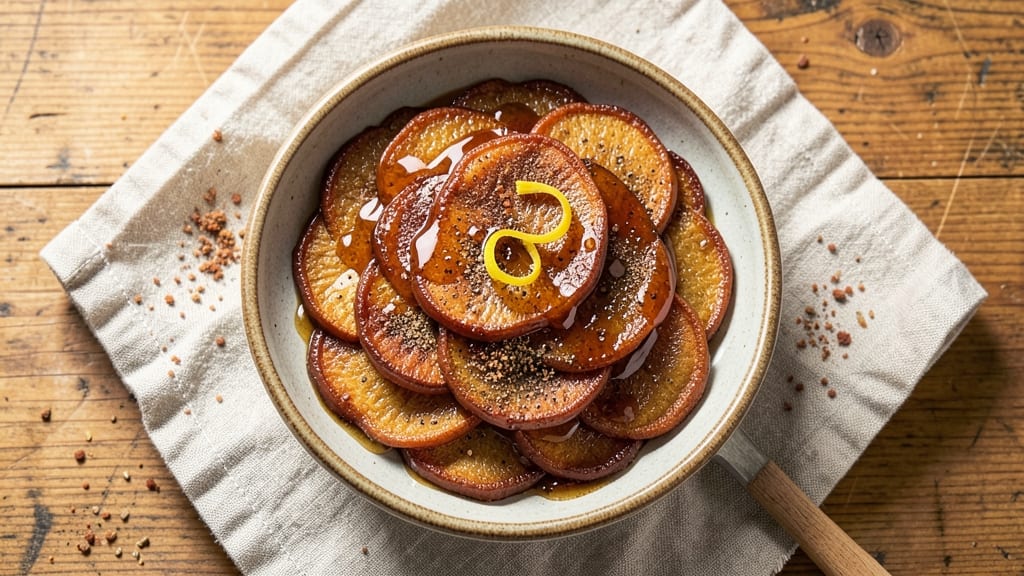
This sweet potato jerky recipe transforms humble sweet potatoes into a smoky-sweet, protein-packed snack that rivals traditional jerky. The process is surprisingly simple—slicing, marinating, and dehydrating creates crispy, chewy strips with natural sweetness and earthy depth.
I developed this vegan-friendly version after realizing how versatile sweet potatoes are beyond mashed or roasted forms.
The key to perfect texture lies in thin, even slices and careful dehydration—no animal products needed. A mix of soy sauce, maple syrup, and spices creates that signature savory-sweet flavor while keeping it plant-based.
This method delivers a satisfying crunch and chew that holds up perfectly for snacking on the go.
What makes this recipe stand out is its versatility—use it as a protein-rich snack, trail mix addition, or even a crunchy salad topper. The natural sweetness of sweet potatoes shines through without overpowering the smoky-sauce profile.
Ready in about 4 hours (mostly hands-off drying time), this is the ultimate make-ahead snack.
Whether you're looking for a vegan protein alternative or just love creative snacking, this sweet potato jerky delivers restaurant-quality flavor at home. The best part? You can customize the spice blend to suit your taste—from mild and sweet to bold and smoky. Let's get started!
Ingredients for sweet potato jerky
Transform humble sweet potatoes into restaurant-quality jerky with these smoky-sweet ingredients.
| Ingredient | Amount | Notes |
|---|---|---|
| Large Sweet Potatoes 🍠 | 2 whole | Organic preferred, peeled |
| Organic Soy Sauce 🍶 | ½ cup | Tamari for gluten-free option |
| Pure Maple Syrup 🍁 | ¼ cup | Grade B for richer flavor |
| Smoked Paprika 🌶️ | 2 tbsp | High quality for authentic smokiness |
| Ground Cumin 🌿 | 1 tbsp | Toasted for deeper flavor |
| Garlic Powder 🧄 | 1 tbsp | Fresh ground preferred |
| Onion Powder 🧅 | 1 tbsp | Fresh ground preferred |
| Liquid Smoke 🔥 | 1 tsp | For extra smoky depth |
| Apple Cider Vinegar 🍎 | 1 tbsp | For tangy balance |
| Extra-Virgin Olive Oil 🫒 | 1 tbsp | For crispy texture |
| Sea Salt 🧂 | 1 tsp | Diamond Crystal preferred |
| Black Pepper 🌶️ | ½ tsp | Freshly ground |
| Cayenne Pepper 🔥 | ¼ tsp | Adjust for heat preference |
The sweet potatoes are the star—organic varieties have richer flavor, but any firm, smooth-skinned ones work. I always grab orange-fleshed sweet potatoes from the produce section, not the pre-cut bags. Look for ones that feel heavy for their size and have no soft spots. Peeled and sliced uniformly, they'll dehydrate perfectly. For extra crispiness, soak the slices in cold water for 10 minutes before marinating to remove excess starch. The soy sauce should be organic tamari if you want gluten-free, but regular soy works too.
No smoked paprika? Substitute liquid smoke plus a pinch of cayenne for that signature smokiness. Want it sweeter? Add an extra tablespoon of maple syrup—Grade B has that caramelized depth. The apple cider vinegar is non-negotiable for that tangy kick that balances the sweetness. For a spicier version, double the cayenne. If you're short on time, pre-mix all dry ingredients in a jar so marinating is just stirring. The olive oil might seem odd, but it creates that perfect crispy exterior during dehydration—don't skip it!
Marinated strips keep in the fridge for 3 days before dehydrating, but work on them fresh for best texture. Dehydrated jerky stays crisp for 1 week in an airtight container, or 1 month if vacuum-sealed. I portion mine into small resealable bags for easy grab-and-go snacking. For extra shelf life, store in the freezer—it'll keep for 3 months while maintaining that satisfying crunch.
Why You'll Love This Recipe
- Here’s what sold me: I can make a whole batch on Sunday, let it dry overnight, and grab a piece anytime—post-workout, with coffee, or when the kids are begging for something "easy." It travels well too, so I toss it in lunches without a second thought.
- No Peel Required: I swear by this trick—just scrub the skins clean, slice them thick, and skip the peeling. The texture stays tender inside while the edges get that perfect chewy crisp, and honestly? It cuts my prep time in half.
- Sweet-Savory Magic: That maple-soy glaze with smoked paprika? It’s the kind of balance that makes you reach for seconds without even thinking. The cumin adds this earthy warmth that lingers, and between us, it’s the kind of flavor that turns snacking into an experience.
- Snack Attack Ready: Here’s what sold me: I can make a whole batch on Sunday, let it dry overnight, and grab a piece anytime—post-workout, with coffee, or when the kids are begging for something "easy." It travels well too, so I toss it in lunches without a second thought.
Step-by-step instructions for sweet potato jerky
Transform humble sweet potatoes into irresistible, protein-rich jerky with this foolproof method.
Prepare and Slice the Sweet Potatoes
Peel the 2 whole large sweet potatoes using a vegetable peeler, removing all skin. Cut them into ¼-inch thick slices using a sharp mandoline or knife—consistency is key for even drying. I like to work with the potatoes right after peeling while they're still firm.
Arrange the slices on a clean kitchen towel and pat them dry thoroughly with paper towels. Removing excess moisture prevents soggy jerky later. If you're working ahead, you can refrigerate the dried slices for up to 24 hours before proceeding.
Create the Flavorful Marinade
In a medium bowl, whisk together the 0.5 cup organic soy sauce, 0.25 cup pure maple syrup, 2 tablespoons smoked paprika, 1 tablespoon each of ground cumin, garlic powder, and onion powder, 1 teaspoon liquid smoke, 1 tablespoon apple cider vinegar, 1 tablespoon extra-virgin olive oil, 1 teaspoon sea salt, 0.5 teaspoon black pepper, and 0.25 teaspoon cayenne pepper until fully combined.
This marinade creates the perfect balance of smoky, sweet, and savory flavors. The vinegar helps tenderize the sweet potatoes while the spices penetrate deeply. For extra flavor, let the marinade sit for 5 minutes before using—you'll notice the aromatics start to mingle beautifully.
Marinate the Sweet Potato Slices
Place the dried sweet potato slices in a shallow dish or resealable bag and pour the marinade over them. Using your hands, gently massage the marinade into each slice, ensuring both sides are well coated. For best results, let them marinate for at least 30 minutes, though I prefer 1-2 hours in the refrigerator for maximum flavor infusion.
Here's the thing—don't skip this step. The marinade transforms bland sweet potatoes into complex, umami-packed jerky. If you're short on time, a 15-minute marinade still works, but you'll miss out on some depth of flavor.
Dehydrate for Perfect Texture
Preheat your dehydrator to 135°F—this low temperature ensures even drying without burning. Arrange the marinated sweet potato slices in a single layer on the dehydrator trays, leaving about ¼ inch between each piece for proper air circulation. The slices should be spaced evenly to prevent sticking.
Dehydrate for 6-8 hours, checking periodically after the first 4 hours. The jerky is done when it's pliable but no longer sticky to the touch and has a leathery texture. You'll know it's perfect when you can easily peel it off the dehydrator tray without breaking. If using an oven, maintain 175°F with the door slightly ajar and bake for 4-6 hours on the lowest rack.
Cool and Store for Maximum Freshness
Once fully dehydrated, remove the sweet potato jerky from the dehydrator and let it cool completely on a wire rack. This cooling step prevents condensation from forming in your storage container. The jerky should be firm to the touch but still flexible—almost like a chewy, sweet potato leather.
Store in an airtight container at room temperature for up to 2 weeks, or refrigerate for up to 3 months. For longer storage, freeze for up to 6 months. The flavors actually deepen over time, making this jerky perfect for hiking snacks or pantry staples. Enjoy the perfect balance of sweet, smoky, and savory in every bite!
Pro Tips For Making Sweet Potato Jerky
- Peel and Slice Thin: Sweet potatoes are stubborn—use a sharp knife and cut them into ¼-inch slices, no thicker. I learned this the hard way when my first batch turned out chewy instead of tender. A mandoline helps if you’re impatient like me.
- Marinate Overnight: Toss the slices in soy sauce, maple syrup, smoked paprika, and cumin, then let them sit for at least 8 hours. I used to rush it, but skipping the marinade means the flavors just cling to the surface instead of soaking in.
- Dry Before Baking: Pat the slices very dry with paper towels before baking—wet jerky steams instead of crisping. I was skeptical until I tried it, and now I double-check this step every time.
- Bake Low and Slow: Start at 250°F (not high heat) for the first 20 minutes to render moisture, then crank to 300°F until crisp. After burning three batches, I finally figured out that patience here means no soggy jerky.
Wine and beer pairings for sweet potato jerky
Sweet and Smoky Wines
Balance the sweet potato jerky's natural sweetness with a dry red wine that has enough fruit to complement the smoky notes. I love Zinfandel from California—its blackberry and plum flavors stand up to the maple syrup and smoked paprika while the 13-14% ABV cuts through the richness.
A Syrah from Washington State also works beautifully, with its dark fruit and peppery finish adding depth. 🍷
Crisp White Pairings
For a lighter option, try a dry Riesling from Germany or Alsace—its bright acidity and citrus notes refresh your palate between bites. The minerality in these wines helps cleanse the sweetness without overpowering the smoky-savory profile.
If you prefer something slightly sweeter, a off-dry Gewürztraminer from Alsace provides a lychee and spice contrast that enhances the jerky's flavors.
Beer Pairings
A hoppy IPA like Sierra Nevada Pale Ale or Dogfish Head 60 Minute IPA works surprisingly well—its citrusy hops balance the sweetness while the malty backbone complements the smoky spices.
For a non-alcoholic option, try a dry-hopped hard seltzer like White Claw American Lager with a lemon twist to refresh your palate. The carbonation helps cut through the richness of the jerky.
Cocktail Pairings
For a fun twist, sip on a smoky margarita—muddle 2 oz reposado tequila, 1 oz lime juice, ½ oz agave, and a dash of liquid smoke (like in the jerky marinade) with ice.
Rim the glass with smoked salt for an extra layer of flavor. The smoke and citrus mirror the jerky's profile perfectly, creating a cohesive snack-and-drink experience.
Non-Alcoholic Options
If you're avoiding alcohol, try sparkling water with a splash of apple cider—the tartness balances the sweetness, while the effervescence cleanses your palate. For something more robust, a ginger beer with a lemon wedge adds a spicy kick that pairs wonderfully with the cayenne in the jerky.
The ginger's heat enhances the smoky-sweet flavors without overpowering them. 💛
Nutrition facts
Frequently asked questions
Can I use regular potatoes instead of sweet potatoes?
Regular potatoes won't work well because they lack the natural sweetness and moisture balance needed for jerky. Sweet potatoes provide the perfect chewy texture and caramelized flavor when dehydrated. The starch content in regular potatoes would make the jerky gummy rather than crispy.
How do I adjust the spice level?
For milder jerky, reduce the cayenne to ⅛ teaspoon or omit it entirely. For extra heat, increase to ½ teaspoon or add a pinch of chili powder. The smoked paprika already provides depth—focus on adjusting just the cayenne for heat control.
What if I don't have a dehydrator?
Use your oven on the lowest setting (175°F) with the door slightly open for airflow. Place slices on a wire rack over a baking sheet and bake for 4-6 hours, checking frequently. Avoid higher temps—this prevents burning while ensuring even drying.
Can I make this jerky gluten-free?
Simply replace the soy sauce with tamari (gluten-free soy sauce) or coconut aminos. All other ingredients are naturally gluten-free. The flavor remains rich and savory without any compromises.
How do I prevent the jerky from sticking to the dehydrator?
Line your dehydrator trays with parchment paper or use silicone dehydrator sheets. Space slices ¼ inch apart and avoid overcrowding. If they start sticking, gently lift them with a thin spatula while still warm. Proper airflow is key to preventing adhesion.