
Sauces & Condiments
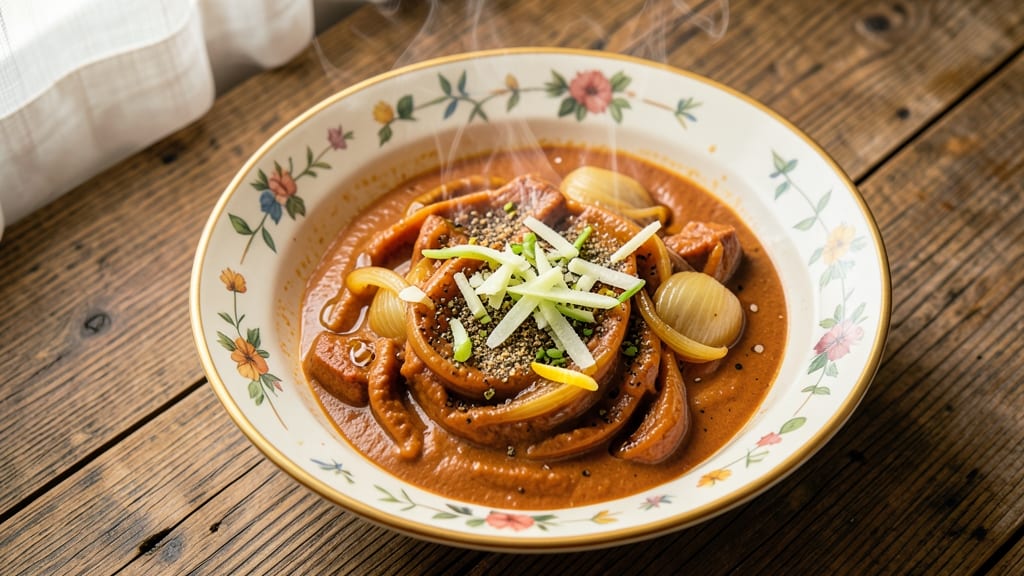
This sweet potato curry sauce recipe transforms humble ingredients into a velvety, spiced coconut masterpiece that elevates any dish. The secret lies in simmering sweet potatoes until tender, then blending them with coconut milk, aromatic spices, and a touch of ginger for depth.
What starts as a simple pot of ingredients becomes a rich, fragrant sauce perfect for curries, bowls, or even dips—all in one pot.
What sets this sauce apart is its balance of sweetness from the potatoes and warmth from the spices, creating a harmonious blend that’s both comforting and complex. The coconut milk adds a luxurious creaminess, while turmeric, cumin, and coriander deliver that signature curry flavor profile.
It’s a versatile sauce that works as a base for proteins, a topping for grains, or even a standalone dip—all while keeping prep simple and efficient.
The result is a sauce that’s rich yet balanced, with a smooth texture that coats every bite. The sweet potatoes lend natural sweetness, while the spices add layers of warmth and earthiness.
It’s the kind of sauce that transforms ordinary meals into something extraordinary, all while being easy to make and store for later use.
Whether you’re serving it over rice, pairing it with grilled chicken, or using it as a dip for fresh vegetables, this sweet potato curry sauce is a game-changer. Ready in under 30 minutes, it’s perfect for weeknight dinners or meal prep. Let’s get started!
Ingredients for sweet potato curry sauce
Creamy coconut meets earthy sweet potatoes—just twelve ingredients for velvety curry richness.
| Ingredient | Amount | Notes |
|---|---|---|
| Sweet Potatoes 🍠 | 2 lb | Peeled, cubed into 1-inch pieces |
| Yellow Onion 🧅 | 1 whole | Diced, medium size preferred |
| Fresh Ginger 🌿 | 2 tbsp | Grated, or 1-inch piece peeled |
| Coconut Milk 🥥 | 1 can | Full-fat, 13.5 oz can |
| Ground Turmeric 🌶️ | 1 tbsp | Freshly ground preferred |
| Ground Cumin 🌿 | 1 tbsp | Toasted for deeper flavor |
| Ground Coriander 🌿 | 1 tbsp | Freshly ground for best aroma |
| Garlic Cloves 🧄 | 4 cloves | Peeled, minced |
| Coconut Oil 🫒 | 2 tbsp | For sautéing, or olive oil |
| Salt 🧂 | ½ tsp | Diamond Crystal preferred |
| Black Pepper 🌶️ | ¼ tsp | Freshly ground |
| Cayenne Pepper 🔥 | ¼ tsp | Adjust for heat preference |
Sweet potatoes are the heart of this sauce. Orange-fleshed varieties like Jewel or Garnet work best—they’re naturally sweet and hold up well to simmering. Most grocery stores carry them year-round, but Trader Joe's and Whole Foods often have the freshest selection. For even cooking, cut them into 1-inch cubes—smaller pieces break down faster and create a smoother sauce. The coconut milk? Full-fat canned versions (like Thai Kitchen) give the richest texture, but light coconut milk works in a pinch if you're watching calories. Just know the flavor will be slightly less decadent.
No fresh ginger? Powdered ginger at half the amount gets you close, though it lacks that bright zing. Short on turmeric? Curry powder at one-third the quantity covers similar bases. The garlic can be roasted for a sweeter profile—just toss whole cloves with olive oil and roast at 400°F for 10 minutes before mincing. For extra depth, toast the spices in coconut oil for 30 seconds before adding to the pot. This brings out their natural oils and makes the entire sauce more aromatic. The cayenne is optional but recommended—start with a pinch and adjust to taste, especially if serving kids or sensitive eaters.
This sauce keeps beautifully. Store in an airtight container in the fridge for up to 5 days, or freeze for 3 months in portion-sized containers. For reheating, add a splash of water or coconut milk to prevent thickening. The flavors actually deepen overnight, so leftovers often taste even better. I like to make a double batch—one for immediate use and one to freeze for lazy weeknights. Just thaw overnight in the fridge before reheating, and you’re ready to serve.
Why You'll Love This Recipe
- One-Pot Magic: I swear by this recipe when I’m too tired to wash a million dishes. Dice the onion, grate the ginger, toss it all in one pot with the sweet potatoes—no straining, no fuss. The turmeric stains my hands, but the cleanup is actually just a quick wipe-down.
- Creamy Without Cream: That first spoonful of coconut milk and caramelized sweet potatoes? It’s like a hug in sauce form. The ginger adds a zing that cuts through the richness, and the turmeric gives it that golden glow—no artificial colors, just real, warm flavor.
- Meal Prep MVP: Double the batch and freeze half. Thaw it later for stir-fries, bowls, or even toast toppings. I’ve used it to dress up grilled chicken, lentils, or even scrambled eggs—it’s the secret weapon in my lunchbox rotation.
- Budget Bright Spot: Sweet potatoes and coconut milk stretch this sauce far without breaking the bank. A single can of coconut milk makes three servings, and the turmeric adds color for pennies. Honestly, it’s the kind of recipe that makes grocery day feel like a win.
Step-by-step instructions for sweet potato curry sauce
This one-pot method delivers velvety coconut richness with perfectly balanced spices.
Sauté Aromatics Until Fragrant
Heat the 2 tablespoons coconut oil in a large, heavy-bottomed pot over medium heat. Add the 1 whole yellow onion and cook for 5-6 minutes until softened and translucent. The onion should release its natural sweetness without browning.
Add the 2 tablespoons fresh ginger and 4 cloves garlic cloves, stirring constantly for 1-2 minutes until the ginger becomes aromatic and the garlic begins to sizzle. This step builds the flavor foundation—don't rush it. The mixture should smell vibrant and earthy, signaling the aromatics are properly infused.
Toast Spices for Depth of Flavor
Reduce heat to medium-low and add the 1 tablespoon ground turmeric, 1 tablespoon ground cumin, and 1 tablespoon ground coriander. Stir continuously for 1-2 minutes until the spices release their oils and fill the kitchen with a warm, toasty aroma.
I like to toast spices separately first, but here we combine them to create a cohesive blend. Watch carefully—they'll darken slightly, but you don't want them to burn. If they start to smoke, immediately reduce heat and stir more gently. This step develops the complex, layered flavors that define great curry sauces.
Cook Sweet Potatoes Until Tender
Add the 2 lb sweet potatoes (pre-cut into 1-inch cubes) to the pot, stirring to coat them evenly with the spice mixture. Pour in 1 cup water and bring to a gentle simmer. Cover and cook for 15-20 minutes, stirring occasionally, until the sweet potatoes are fork-tender with just a slight resistance.
You'll know they're ready when they collapse easily under gentle pressure but still hold their shape. The sauce should begin to thicken slightly as the sweet potatoes release their starch. If the water evaporates too quickly, add another ½ cup water to maintain a gentle simmer throughout.
Simmer with Coconut Milk
Pour in the 1 can coconut milk, stirring well to combine. Add the 0.5 tsp salt, 0.25 tsp black pepper, and 0.25 tsp cayenne pepper, then bring to a gentle boil. Reduce heat to low and simmer uncovered for 10-12 minutes, stirring occasionally, until the sauce thickens to your desired consistency.
The sauce should coat the back of a spoon smoothly. Taste and adjust seasoning—you may need a pinch more salt or cayenne to balance the sweetness of the sweet potatoes. For extra richness, you can stir in 1 tablespoon coconut oil at the end, but the coconut milk should provide plenty of natural creaminess.
Blend to Silky Perfection
Use an immersion blender to purée the sauce directly in the pot until completely smooth. If you prefer a chunkier texture, mash the sweet potatoes with a potato masher instead. The sauce should be velvety with just a hint of sweet potato texture visible.
Return to low heat if needed to maintain warmth while serving. This sauce pairs beautifully with grilled chicken, rice, or naan. For best results, serve immediately while the flavors are at their peak. The sauce will continue to thicken slightly as it cools, so adjust consistency while still hot if needed.
Pro Tips For Making Sweet Potato Curry Sauce
- CHAR THE ONIONS LOW: I used to rush this step and end up with bitter, watery onions—no one wants that in curry. Cook them over medium-low heat until they’re deep golden, not browned, stirring occasionally. The longer they sweat, the sweeter and richer they’ll taste, and that’s the base flavor for your sauce.
- PEEL GINGER LIKE A PRO: Skip the knife and use a spoon to scrape off the ginger’s skin—faster and cleaner. Then, finely mince it (no food processor, it turns to mush) and let it sit in the pot for 2 minutes before adding onions. That way, it infuses the oil with its punch instead of just floating around.
- DON’T BOIL THE COCONUT MILK: After adding coconut milk, keep the heat at a gentle simmer—never a rolling boil. High heat breaks down the creaminess, turning your sauce thin and greasy. If it starts to split, whisk in a splash of cold water or reduce the heat until it smooths out.
- CUT POTATOES UNIFORMLY: No one wants mushy chunks or undercooked edges. Dice the sweet potatoes into even ½-inch cubes—they’ll cook at the same rate, so the sauce absorbs into every piece perfectly. If they’re too big, they’ll turn to glue; too small, they’ll turn to mush.
Regional styles of this dish
Indian Golden Curry
This version transforms the sauce into a vibrant golden curry by adding 1 teaspoon garam masala and ½ teaspoon fenugreek leaves during the spice toasting step. The garam masala brings warmth, while fenugreek adds a subtle bitterness that balances the sweetness.
For authenticity, finish with 1 tablespoon fresh cilantro and a squeeze of lemon juice. Serve with basmati rice and roasted cauliflower for a traditional Indian-inspired meal. 🌶️
Thai Coconut Curry
Elevate the sauce with Thai flavors by adding 1 tablespoon red curry paste (like Maesri) and 1 teaspoon fish sauce when simmering with coconut milk. The red curry paste adds depth, while fish sauce enhances umami.
Garnish with Thai basil leaves and lime wedges. This version pairs perfectly with grilled shrimp or tofu. 🥥
Jamaican Jerk-Inspired
For a Caribbean twist, incorporate 1 tablespoon jerk seasoning (like Scharf’s) and 1 scallion (chopped) during the sauté. Add 1 tablespoon apple cider vinegar at the end for tanginess.
Serve over rice and peas or with jerk chicken. The sweet potatoes add natural sweetness that complements the bold jerk flavors. 🌶️
Japanese Sweet Potato Curry
Create a Japanese-inspired version by replacing turmeric with 1 teaspoon curry powder (like Japanese curry roux) and adding 1 tablespoon soy sauce and 1 teaspoon mirin when simmering.
Top with green onions and a drizzle of sesame oil. This lighter, slightly sweet curry pairs beautifully with rice and grilled salmon. 🍠
Mexican Mole-Inspired
Infuse the sauce with Mexican flavors by adding 1 teaspoon cinnamon, ½ teaspoon cumin, and 1 chopped chipotle pepper in adobo during the spice toasting step.
Finish with 1 tablespoon chopped cilantro and a pinch of cocoa powder. This rich, smoky sauce works wonderfully with shredded chicken or black beans. 🌶️
Nutrition facts
Frequently asked questions
Can I substitute regular potatoes for sweet potatoes?
You can try, but the flavor and texture will differ significantly. Sweet potatoes add natural sweetness and a velvety texture when blended, while regular potatoes will make the sauce taste starchy and less rich. For a similar effect, use 1 lb yams or 1 lb butternut squash instead—they both work well in this recipe.
How do I adjust the spice level?
Start with the 0.25 tsp cayenne pepper as written, then adjust to taste. For milder heat, reduce to ¼ tsp or omit completely. For extra spice, add another 0.25 tsp cayenne or stir in ½ tsp red pepper flakes at the end. Always taste before serving!
Can I make this sauce without coconut milk?
Yes! Replace the coconut milk with 1 cup heavy cream or 1 cup Greek yogurt for a dairy-based version. For a vegan option, use 1 cup cashew cream (blended soaked cashews with water). The sauce will be less rich but still flavorful. Adjust seasoning as needed—dairy versions may need a pinch more salt.
Why did my sauce turn out too thick?
This often happens when simmering too long or using smaller sweet potatoes. To fix it, stir in 2-3 tablespoons warm water or coconut milk while reheating. For prevention, remove the sauce from heat as soon as it coats the back of a spoon. If storing, keep an extra ¼ cup liquid on hand to thin as needed.
What are the best ways to use this sauce?
This versatile sauce works as a base for curries, a topping for rice or roasted veggies, or even a dip for naan or spring rolls. Try it with grilled chicken, tofu, or shrimp for a complete meal. For extra richness, drizzle with yogurt or ghee before serving.