
Sauces & Condiments
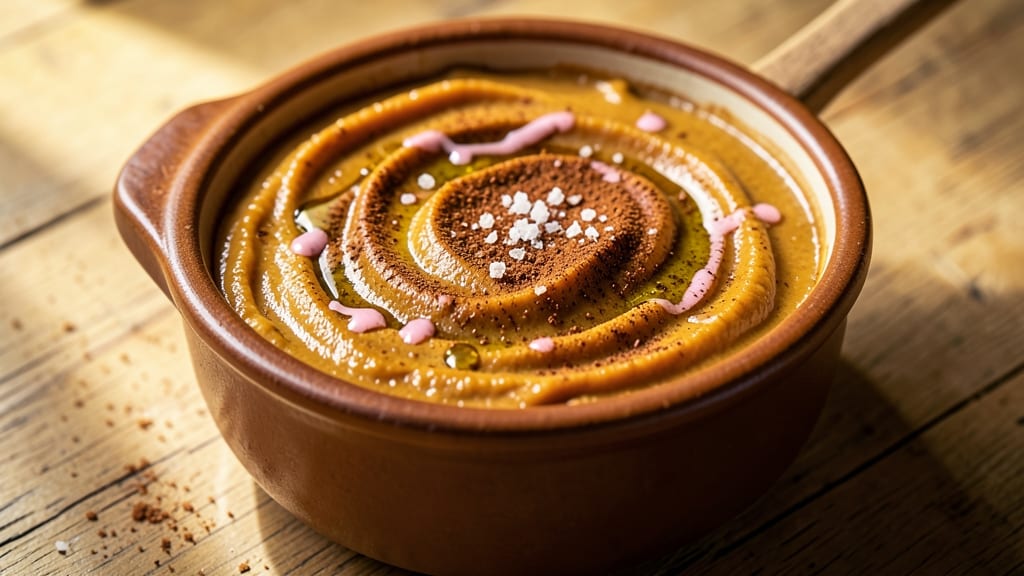
This sweet potato butter recipe for canning transforms humble sweet potatoes into a velvety, naturally sweet spread that keeps beautifully without added sugar. The process involves slow-cooking and blending until silky smooth, then carefully canning for long-term storage—perfect for pantries or gifts.
Food safety is critical, so we'll cover proper jar sterilization and sealing techniques to ensure your butter lasts months without spoilage.
The beauty of this recipe lies in its simplicity: just sweet potatoes, a touch of oil, and optional spices like cinnamon or vanilla create a versatile spread. Unlike store-bought versions, this one avoids preservatives and excess sugar, relying instead on the natural sweetness of the potatoes.
The cooking method breaks down the fibers, resulting in a texture that’s rich and spreadable, ideal for toast, oatmeal, or even as a dip.
What sets this apart is the canning process, which extends shelf life while preserving flavor and nutrition. By following precise sterilization steps and creating an airtight seal, you’ll end up with a jarred butter that tastes fresh months later.
The blend of warm spices and natural sweetness makes it a standout pantry staple—great for vegan diets or anyone looking to reduce added sugars.
Whether you’re prepping for winter or creating homemade gifts, this recipe delivers restaurant-quality results with minimal effort. The key is patience—slow cooking ensures the perfect texture, and proper canning guarantees long-lasting quality. Let’s get started on a spread that’s as nourishing as it is delicious.
Ingredients for sweet potato butter recipe for canning
Nine essential ingredients create a velvety, naturally sweet spread perfect for long-term canning.
| Ingredient | Amount | Notes |
|---|---|---|
| Orange Sweet Potatoes 🍠 | 4 lbs | Organic preferred, peeled and cubed |
| Extra-Virgin Olive Oil 🫒 | ¼ cup | High-quality, fruity variety |
| Ground Cinnamon 🌿 | 1 ½ tsp | Freshly ground for optimal flavor |
| Pure Vanilla Extract 🍯 | 1 tsp | Alcohol-free if preferred |
| Sea Salt 🧂 | ½ tsp | Fine grain, Diamond Crystal preferred |
| Ground Nutmeg 🌿 | ¼ tsp | Freshly grated is ideal |
| Pure Maple Syrup 🍁 | 2 tbsp | Grade B for richer flavor |
| Lemon Juice 🍋 | 1 tbsp | Freshly squeezed, organic preferred |
| Filtered Water 💧 | ½ cup | For blending consistency |
The sweet potatoes are the foundation—opt for organic when possible to avoid pesticide residue. Orange varieties like Jewel or Beauregard provide the best natural sweetness. Pre-peeling and cubing them uniformly ensures even cooking. Costco or local farms often carry bulk sweet potatoes at better prices. For optimal texture, avoid any green or sprouted potatoes. The cinnamon and nutmeg should be freshly ground to maximize aromatic compounds—pre-ground spices lose potency quickly. Penzeys Spices sells excellent whole spices if you want to grind your own.
No maple syrup? Date syrup or agave nectar work equally well, though maple's depth of flavor is unmatched. Substitute vanilla extract with vanilla bean paste for a more intense flavor. The lemon juice is critical for balancing sweetness—if you're out, a splash of apple cider vinegar works in a pinch. For the olive oil, California-grown brands like Corto or Lucini offer excellent flavor profiles. If you prefer a nut-free option, swap the olive oil for avocado oil—it has a higher smoke point for canning safety. The filtered water is simply for blending consistency; tap water works fine if you're not concerned about mineral content.
This butter can be safely canned using the hot-pack method for a shelf life of 12-18 months when processed in a pressure canner. Store jars in a cool, dark pantry away from direct sunlight. For best results, use within 6 months of opening. The spread thickens as it cools—simply reheat gently with a splash of water if it becomes too firm. Portion into smaller jars for gift-giving, as the full-size jars are perfect for pantry staples. Always check jar seals before storing to ensure proper preservation.
Why You'll Love This Recipe
- No-Fuss Canning: I roast the sweet potatoes whole—just scored and tossed in olive oil—so no peeling or dicing. The skins crisp up beautifully, and the jarred butter stays velvety smooth with just a quick mash after roasting.
- Warm Spice Magic: That cinnamon and vanilla combo? It’s like autumn in a jar. The orange sweet potatoes bring natural sweetness, while the olive oil keeps it rich without overpowering—just a pinch of salt ties it all together.
- Pantry Staple Power: Spread it on toast, dollop it into oatmeal, or stir it into yogurt—this butter works everywhere. Honestly, I’ve even used it as a glaze for roasted chicken when I’m feeling fancy (yes, even on a Tuesday night).
- Budget-Friendly Luxury: Sweet potatoes are cheap, and this recipe stretches far—one batch feeds my family for a week. Plus, canning it means I always have a gourmet shortcut when I’m too tired to cook. Not the prettiest, but the taste makes up for it.
Step-by-step instructions for sweet potato butter preservation
Transforming fresh sweet potatoes into a shelf-stable spread requires precise technique and attention to detail.
Prepare and Cook the Sweet Potatoes
Begin by placing the 4 lbs orange sweet potatoes in a large pot and covering them with 2 inches of cold, filtered water. Bring to a boil over medium-high heat, then reduce to a simmer and cook for 20-25 minutes until the sweet potatoes are fork-tender. You'll know they're done when a knife slides in easily and the edges begin to pull away from the flesh.
Drain the sweet potatoes thoroughly, then transfer them to a food processor fitted with the metal blade attachment. Peel them while still warm—this removes the skin more easily—and discard the peels. Return the peeled sweet potatoes to the processor and pulse until they form a coarse, chunky texture. Avoid over-processing at this stage; you want visible pieces that will soften further during canning.
Season and Blend the Sweet Potato Mixture
In a small bowl, whisk together the 0.25 cup extra-virgin olive oil, 1.5 tsp ground cinnamon, 1 tsp pure vanilla extract, 0.5 tsp sea salt, 0.25 tsp ground nutmeg, 2 tbsp pure maple syrup, and 1 tbsp lemon juice until fully combined. This mixture forms the flavor base of your sweet potato butter.
Add the seasoning blend to the food processor along with the cooked sweet potatoes. Process the mixture until it reaches a smooth, thick consistency—similar to a thick paste. Scrape down the sides of the processor bowl with a rubber spatula to ensure even blending. The texture should be thick enough to hold its shape when spread but still spreadable. Taste and adjust seasoning if needed; the natural sweetness of the sweet potatoes should balance the spices without requiring additional sugar.
Prepare Jars and Lids for Canning
Wash 4 clean, sterilized pint-sized canning jars and their lids with hot, soapy water, then rinse thoroughly. Place the jars in a large pot and cover them with water. Bring the water to a gentle boil and let the jars and lids simmer for 10 minutes to sterilize. This step is critical to prevent contamination and ensure a long shelf life for your sweet potato butter.
Using a ladle or funnel, carefully fill each sterilized jar with the sweet potato butter mixture, leaving about ½ inch of headspace at the top. This space allows for proper sealing during the canning process. Wipe the rims of the jars with a clean, damp cloth to remove any residue that could interfere with sealing. Place the lids on the jars and screw on the bands until they are fingertip-tight.
Process the Jars in a Pressure Canner
Place the filled jars into the pressure canner, ensuring they stand upright and are not touching each other. Add 2-3 inches of hot water to the canner, making sure the water level is above the jars but does not cover the lids. Seal the canner lid tightly and bring the water to a boil over medium-high heat.
Once boiling, allow the pressure to build to 10 pounds of pressure. Adjust the heat to maintain this pressure and process the jars for 75 minutes. This extended processing time ensures the sweet potato butter is safely preserved and free from bacteria. After the processing time is complete, turn off the heat and allow the pressure to drop naturally to zero before opening the canner.
Cool, Seal, and Store the Jars
Remove the jars from the canner using tongs and place them on a clean, dry towel. Let them cool at room temperature for 12-24 hours. As the jars cool, you should hear a satisfying "ping" as the lids seal. Check each lid to ensure it has sealed properly—it should not flex when pressed gently in the center.
Once fully cooled, wipe the outside of the jars with a clean cloth and label them with the date and contents. Store the sealed jars in a cool, dark place, such as a pantry or cellar. Your sweet potato butter will remain shelf-stable for up to 12 months, providing a delicious, no-sugar-added spread for toast, oatmeal, or desserts. If any jars do not seal properly, refrigerate and use within 1 week.
Pro Tips For Making Sweet Potato Butter Recipe For Canning
- Peel Before Cooking: DESCRIPTION: Orange sweet potatoes are stubborn—peel them first, even if the recipe says otherwise. I learned this the hard way when I tried to peel after roasting, and half the skin stayed stuck to the flesh. A sharp paring knife makes this faster than you’d think.
- Roast Until Fork-Tender: DESCRIPTION: Don’t stop at soft—aim for that sweet potato to collapse like overcooked mashed potatoes when pierced. If it still has structure, it’ll turn to mush in the jar later. A 400°F oven for 45-60 minutes (depending on size) gets it just right.
- Toast the Cinnamon: DESCRIPTION: Warm the cinnamon in a dry pan for 30 seconds until fragrant—it deepens the flavor way more than just sprinkling it raw. Skip this, and you’re missing out on that cozy, bakery-like aroma that makes canned butter sing.
- Seal Jars While Warm: DESCRIPTION: Fill the jars with the sweet potato mixture while it’s still piping hot (around 180°F), then seal immediately. The heat helps drive out air and creates a better vacuum. If you wait, you risk botulism risks—and no one wants that.
Creative variations of sweet potato butter recipe for canning
Spiced Variations
Swap the cinnamon and nutmeg for 1 tsp smoked paprika and ½ tsp cayenne to create a smoky-sweet version perfect for dipping roasted veggies. I love adding ½ tsp ground ginger for warmth—it pairs beautifully with the sweetness.
For a Mexican-inspired twist, replace vanilla with 1 tsp lime zest and add ½ tsp cumin. 🌶️
Flavor Boosters
Brighten the butter with 1 tbsp orange zest for a citrusy kick that cuts through the richness. A splash of ½ cup apple cider instead of water adds depth and balances the spices.
For a nutty crunch, stir in ¼ cup toasted pecans or walnuts right before canning—just add them to the jars after filling with the butter. 🍯
Sweet Adaptations
Reduce the maple syrup to 1 tbsp and add 1 tsp honey (or agave) for a lighter sweetness. For a caramelized depth, cook the sweet potatoes with 1 tsp brown sugar before blending.
A chocolate twist works well: mix in 2 tbsp cocoa powder with the spices for a dessert-worthy spread. 🍫
Savory Options
Transform this into a savory spread by omitting the maple syrup and adding 1 tsp garlic powder, ½ tsp onion powder, and 1 tbsp soy sauce. The olive oil becomes the star, creating a roasted garlic-sweet potato butter ideal for crackers or sandwiches. 🧄
Texture Tweaks
For a chunkier texture, pulse the sweet potatoes in the food processor for 30 seconds less before adding the seasonings. To make it extra-smooth, blend in 2 tbsp tahini or avocado for creaminess.
A whipped version is perfect for gift-giving: blend in 1 tbsp coconut cream before canning for a lighter spread. ✨
Regional Takes
In the South, add ½ tsp bourbon (or vanilla extract) and a pinch of black pepper for a Southern-inspired version. For a Pacific Northwest twist, swap cinnamon for 1 tsp cardamom and add 1 tsp maple syrup for a cozy, earthy flavor. 🗺️
Nutrition facts
Frequently asked questions
Can I use regular potatoes instead of sweet potatoes for canning?
No, you should never substitute regular potatoes—they have a completely different texture and starch content. Sweet potatoes provide the natural sweetness and creamy consistency essential for this butter. Regular potatoes would make the spread watery and bland after canning. Stick with orange sweet potatoes like Jewel or Beauregard for the best results.
How do I know when my sweet potato butter is properly sealed?
After cooling for 12-24 hours, press the center of each lid—it should stay down and not flex. You'll also hear a satisfying "ping" sound when properly sealed. If the lid pops up when pressed, the jar didn't seal and should be refrigerated for immediate use. Always check seals before storing to ensure safety.
Can I adjust the sweetness level in this recipe?
Yes! The recipe uses natural sweetness from sweet potatoes and just 2 tbsp maple syrup—you can reduce this to 1 tbsp if you prefer less sweetness. For extra richness, try adding 1 tsp honey or agave after canning. The key is balancing the spices with the sweetness—taste before sealing to adjust.
What's the best way to reheat canned sweet potato butter?
Gently reheat in a small saucepan over low heat with 1-2 tbsp water to prevent burning. Stir frequently until smooth—it should take about 3-5 minutes. If too thick, add more water. Never microwave directly from the jar, as this can create hot spots and uneven heating.
How should I store unopened jars of sweet potato butter?
Keep sealed jars in a cool, dark pantry away from heat sources. They'll stay fresh for 12-18 months. Once opened, transfer to an airtight container and refrigerate—use within 1 month. The butter thickens when cold, so let it sit at room temperature for 10 minutes before spreading for best texture.