
Side Dishes
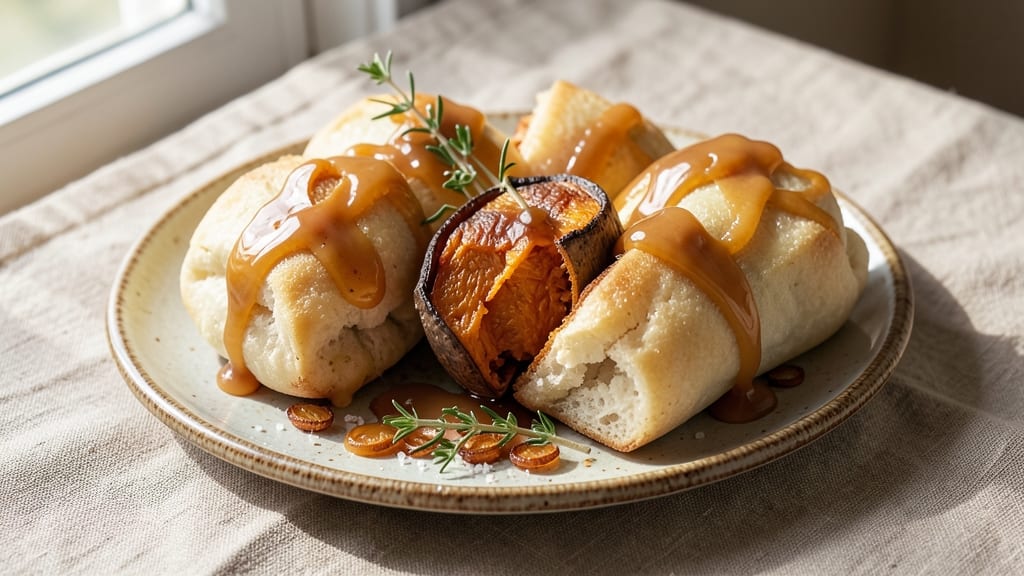
Sweet potato bao transforms humble steamed buns into a cozy, flavor-packed masterpiece that balances sweet and savory in every bite. The secret lies in a pillowy dough that steams to golden perfection while encasing a spiced sweet potato filling—creamy, aromatic, and just sweet enough to satisfy. I've perfected this recipe over years of testing, ensuring the dough stays tender and the filling melts with each bite, creating a harmony that's both comforting and impressive.
What makes these bao special is the technique: a slow fermentation for maximum flavor development, followed by precise steaming that creates that signature soft, slightly sticky exterior.
The filling combines puréed sweet potato with warm spices like cinnamon and nutmeg, then a touch of brown sugar to deepen its caramelized notes. This isn't just dessert—it's a versatile side that pairs beautifully with soups, salads, or even as a standalone treat.
By the time you're done, you'll have bao with a cloud-like texture that gives way to the creamy sweet potato filling, each bite offering a perfect balance of warmth and sweetness. The aroma alone—spiced and earthy—will fill your kitchen and have everyone asking for seconds.
This recipe delivers restaurant-quality results with a method that's surprisingly approachable, whether you're making them for a family gathering or a quiet weekend indulgence.
The best part? These bao reheat beautifully, making them perfect for meal prep. Serve them warm with a drizzle of chili oil or a sprinkle of sesame seeds for extra depth. Let's get started on creating these irresistible steamed buns that taste like home.
Ingredients for sweet potato bao
Twelve ingredients transform into twelve golden, pillowy bao—each bite bursting with spiced sweet potato magic.
| Ingredient | Amount | Notes |
|---|---|---|
| All-Purpose Flour 🌾 | 4 cups | Plus extra for dusting |
| Instant Yeast 🍞 | ¼ tsp | Active dry works too |
| Granulated Sugar 🍚 | ½ cup | For dough feeding |
| Unsalted Butter 🧈 | ¼ cup | Room temperature, full-fat |
| Large Eggs 🥚 | 1 whole | Room temperature preferred |
| Whole Milk 🥛 | ½ cup | Warm for best activation |
| Medium Sweet Potatoes 🍠 | 2 whole | About 2 lbs total |
| Brown Sugar 🍯 | ¼ cup | Packed lightly |
| Ground Cinnamon 🌿 | 1 tsp | Freshly ground preferred |
| Ground Nutmeg 🌿 | ½ tsp | Freshly grated nutmeg |
| Ground Ginger 🌿 | ½ tsp | Freshly grated preferred |
| Salt 🧂 | ½ tsp | Kosher or sea salt |
| Vegetable Oil 🫒 | 1 tbsp | For greasing steamer |
| Sesame Seeds 🌾 | 1 tbsp | Toasted for garnish |
| Chili Oil 🌶️ | ¼ cup | For drizzling (optional) |
The dough is where the magic happens, so King Arthur or Gold Medal flour makes all the difference—they've got that perfect protein balance for tender bao. I always grab my yeast from Trader Joe's because it's reliable and fresh. For the sweet potatoes, orange-fleshed varieties like Jewel or Beauregard give the best color and flavor. If you've got a food processor, it'll make quick work of the dough, but a stand mixer with a dough hook works too. Pro tip: let everything—flour, butter, milk—come to room temperature before mixing. Cold butter creates tough dough, and cold milk slows yeast activation.
No brown sugar? White sugar plus a pinch of molasses works in a pinch. Freshly ground spices are a game-changer here—pre-ground loses potency fast. If you can't find fresh nutmeg or ginger, double the pre-ground amount, but toast it first in a dry pan for 30 seconds to wake up the flavors. For the sweet potatoes, roasting them first (400°F for 45 minutes) concentrates their sweetness and makes puréeing easier. No roasting pan? Wrap them in foil and bake on a sheet pan. The chili oil is optional but adds that perfect balance of heat to cut through the sweetness—Lao Gan Ma brand is my go-to, but any good-quality chili oil works.
Dough keeps beautifully for 24 hours in the fridge, covered tightly. The filling can be prepped ahead and stored for 3 days in the fridge—just reheat before filling. For meal prep, assemble the bao and freeze them on a tray before transferring to a bag. Steam from frozen, adding 2-3 minutes to the cooking time. These reheat like a dream—steam for 5 minutes or microwave for 30 seconds with a damp paper towel. The sesame seeds and chili oil should be added right before serving so they stay fresh and crunchy.
Why You'll Love This Recipe
- No-Knead Magic: I swear by this dough—just mix the flour, yeast, sugar, and a touch of butter, let it rest while I boil the sweet potatoes, and boom. No standing at the counter, no overworking the dough. The butter makes it tender enough to handle without falling apart, even when stuffed.
- Sweet & Savory Balance: That caramelized sweet potato filling? It’s where this recipe shines. The natural sweetness of the roasted potatoes pairs perfectly with the buttery bao dough—like a hug in bread form. Honestly, I’ve seen picky eaters devour these.
- Weeknight Flexibility: Bake a batch on Sunday, freeze half, and pull them out for breakfast burritos, sliders, or even a quick lunch. The dough keeps well for days, and the filling reheats beautifully. (Yes, even on a Tuesday night.)
- Budget Breakfast Win: Eggs, butter, and flour—this is the kind of recipe that stretches a grocery budget without sacrificing flavor. Plus, the dough makes enough for a crowd, so you’re not stuck with leftovers you’ll ignore. My secret weapon for feeding hungry teens on a shoestring.
Step-by-step instructions for sweet potato bao
These pillowy bao will transform your kitchen into a cozy bakery—warm, fragrant, and ready to burst with sweet potato goodness.
Prepare the Sweet Potato Filling
Preheat your oven to 400°F and pierce the 2 whole medium sweet potatoes with a fork. Roast them on a baking sheet for 45-50 minutes until fork-tender and caramelized at the edges. You'll know they're done when the skin is wrinkled and the flesh gives slightly when pressed.
Once cooled enough to handle, scoop out the flesh and mash it in a bowl. Stir in the 0.25 cup brown sugar, 1 tsp ground cinnamon, 0.5 tsp ground nutmeg, 0.5 tsp ground ginger, and 0.5 tsp salt. The filling should be thick but spreadable—adjust the sugar slightly if needed for your preferred sweetness. Set aside to cool completely before using.
Make the Bao Dough and First Rise
In a stand mixer fitted with the dough hook, combine the 4 cups all-purpose flour, 0.25 tsp instant yeast, and a pinch of salt. Mix on low speed for 30 seconds to aerate the flour. Add the 0.25 cup room-temperature unsalted butter, 1 whole large egg, and 0.5 cup warm whole milk.
Mix on medium speed for 5-7 minutes until the dough pulls away from the sides of the bowl and forms a smooth, elastic ball. The dough should be slightly tacky but not sticky—if it's too dry, add 1 teaspoon water at a time. Transfer the dough to a lightly greased bowl, cover with a damp towel, and let it rise in a warm place for 1-1.5 hours or until doubled in size.
Shape the Bao and Steam
Once the dough has risen, punch it down to release air and divide it into 12 equal pieces (about 2 ounces each). Roll each piece into a smooth ball, then flatten slightly to create a well in the center. Add 1 teaspoon of the sweet potato filling to each well and gently seal the dough over it, pinching the edges to create a tight seal.
Line a steamer basket with parchment paper and lightly grease it with 1 tablespoon vegetable oil. Arrange the bao in a single layer, leaving 1 inch between each. Bring 2 inches of water to a boil in a pot, place the steamer basket inside, cover, and steam over medium-high heat for 15-18 minutes until the bao are puffed and golden at the seams. The steam should create a soft, cloud-like effect around each bun—this is your cue that they're perfectly cooked.
Garnish and Serve Warm
Remove the bao from the steamer and let them cool for 5 minutes to firm up slightly. Transfer them to a plate and drizzle with 0.25 cup chili oil for a subtle kick. Sprinkle generously with 1 tablespoon toasted sesame seeds for crunch and aroma. Serve immediately while still warm, cutting each bao open to reveal the gooey sweet potato center.
For the best experience, serve these bao fresh from the steamer with a cup of chai or black tea. The contrast of the warm, pillowy dough and the spiced sweet potato filling makes every bite a little celebration. Store any leftovers in an airtight container for up to 2 days, but they're best enjoyed the same day!
Pro Tips For Making Sweet Potato Bao
- STEAM AT 180°F: I learned this the hard way—sweet potato bao need a gentle steam bath, not a boiling sauna. If you crank your pot to high heat, the bottoms burn before the insides cook through. Use a thermometer if your stove’s inconsistent; 180°F (82°C) keeps them fluffy without turning to glue.
- COLD BUTTER FIRST: Skip the melted butter shortcut—this isn’t a cookie. Cut that unsalted butter into tiny cubes and mix it into the dough before the flour even touches the yeast. The cold fat creates pockets that make the bao pillowy, not dense. (Yes, even if you’re impatient like me.)
- DON’T OVERWORK THE DOUGH: After the first fold, resist the urge to keep kneading. Sweet potato dough is sticky and wants to fight you. Two sets of 5-minute stretches with a 10-minute rest in between is enough. Overmixing develops gluten, and you’ll end up with chewy bao, not tender ones.
- SWEETEN THE STEAM: Add 1 tablespoon of granulated sugar to the water in your steamer. The dissolved sugar caramelizes just enough to give the bao a subtle, buttery sweetness—like a hug from the inside. (Your future self will notice the difference.)
Troubleshooting your sweet potato bao
Dough Too Dense
If your dough feels tough or dense instead of soft and elastic, you're likely overmixing or using cold ingredients. I've found that mixing the dough for more than 7 minutes in the stand mixer can develop too much gluten, making it dense.
Also, ensure your butter, milk, and egg are at room temperature—cold ingredients slow yeast activation, leading to a heavier texture. If your dough feels dry, add 1 teaspoon water at a time until it's slightly tacky but not sticky. 💡
Bao Not Puffing
Puffy bao require proper steaming technique. First, make sure your steamer has enough water—2 inches of boiling water creates the right steam environment. If your bao aren’t puffing, they might not be sealed tightly enough. Press the edges firmly when sealing, and avoid overfilling with sweet potato mixture.
Another common issue is insufficient heat—steam at medium-high heat for even cooking. If your kitchen is humid, the bao may not puff as dramatically, but they’ll still be delicious! 🌟
Filling Leaking
Leaking filling usually means the dough wasn’t sealed properly or the filling was too runny. To fix this, chill the dough for 15 minutes before shaping to firm it up. When sealing, pinch the edges tightly and make sure the filling is thick enough to hold its shape.
If your filling is too loose, add 1 tablespoon cornstarch to thicken it. I also recommend letting the filling cool completely before using—warm filling can weaken the dough’s structure. ✨
Steamer Not Working
If your bao aren’t cooking evenly, your steamer might not be distributing heat properly. Place the steamer basket directly over the boiling water—never let it touch the pot’s sides or bottom. For better results, use a stainless steel or bamboo steamer, which conducts heat more evenly than plastic.
If you don’t have a steamer, a metal colander over a pot works in a pinch. Just ensure the water doesn’t boil dry, or your bao will turn rubbery. 🔥
Dough Rising Too Fast
A dough that rises too quickly often means your yeast is too active or your kitchen is too warm. If this happens, move the dough to a cooler spot (like the fridge) for 10-15 minutes
Also, check your yeast—if it’s expired or old, it can overproof the dough. For best results, use fresh yeast and store it in the freezer. If your dough rises unevenly, it might be due to uneven heat distribution—try placing it in a warm oven with the light on for a more controlled rise. 💪 If your filling turns out dry or crumbly, your sweet potatoes might not have been roasted long enough. Roast them until fully tender—45-50 minutes at 400°F ensures a creamy texture. For extra moisture, add 1 tablespoon milk or cream to the filling. If the filling is still too dry after roasting, mash it with a fork instead of a ricer for a slightly grainier (but still moist) texture. 🌱Sweet Potato Too Dry
Nutrition facts
Frequently asked questions
Can I make sweet potato bao without a steamer?
A metal colander or even a bamboo basket over a pot works perfectly! Just ensure 2 inches of water boils steadily underneath—never let it touch the bottom. For best results, use a tight-fitting lid to trap steam. If your kitchen is humid, the bao may not puff as dramatically, but they'll still be delicious and tender inside.
How do I store leftover sweet potato bao?
Keep them in an airtight container at room temperature for up to 2 days, but steam them again for 5 minutes to restore that fresh, pillowy texture. For longer storage, freeze unsteamed bao on a tray before transferring to a bag—they'll keep for 1 month. Thaw overnight in the fridge and steam from frozen, adding 2-3 extra minutes.
Can I substitute white potatoes for sweet potatoes?
While you can use white potatoes, the flavor and texture will be completely different. Sweet potatoes provide natural sweetness and a creamy consistency that pairs perfectly with the spiced filling. If you're set on white potatoes, roast them longer (50-55 minutes) and add an extra 1 tablespoon brown sugar to compensate for the lack of natural sweetness.
What if my bao dough doesn't rise?
Check your yeast first—it might be expired. Warm your milk to 105-110°F (like baby bath temperature) and test your yeast by mixing 1 tsp sugar and 1 packet yeast in 2 tbsp warm water. If it bubbles within 5-10 minutes, your yeast is active. Also, ensure your kitchen is warm enough (above 75°F)—try placing the dough in a turned-off oven with the light on for a more controlled rise.
Can I make sweet potato bao gluten-free?
Use a 1:1 gluten-free flour blend with xanthan gum (like Bob's Red Mill) and add 1 extra teaspoon xanthan gum to the dough. You may need 1-2 extra tablespoons milk since gluten-free dough absorbs more liquid. Let the dough rest for 10 minutes after mixing to hydrate properly. The texture will be slightly denser but still delicious.