
Side Dishes
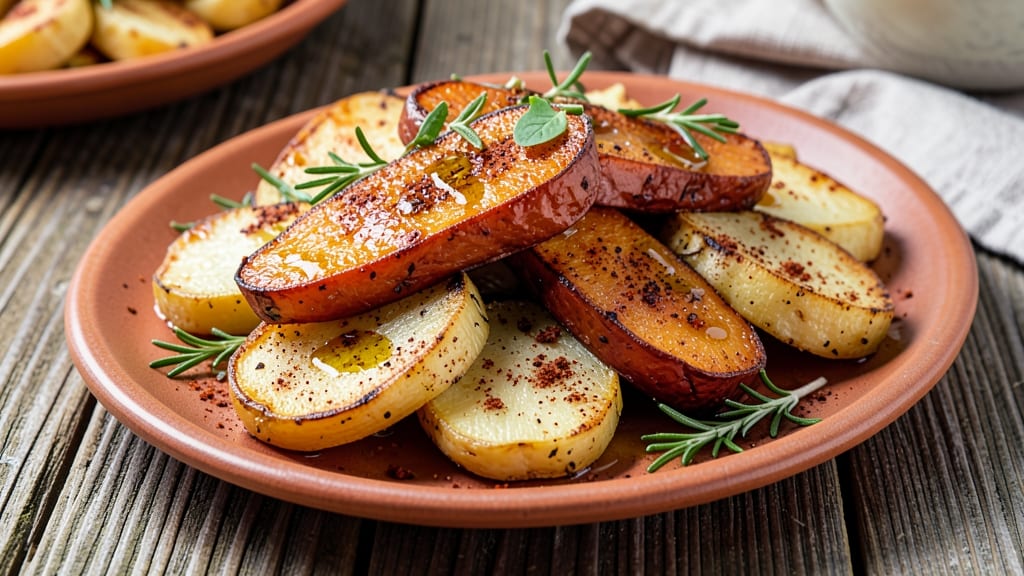
This sweet potato and rutabaga recipe transforms humble root vegetables into a caramelized, spice-kissed side dish that steals every meal. The secret lies in their contrasting textures—creamy rutabaga and tender sweet potato—roasted until golden and infused with warm spices that deepen their natural sweetness.
I developed this recipe after realizing how often these vegetables sit forgotten in produce aisles, when with just a little attention, they become the star of the table.
What makes this dish special is its versatility—serve it as a standalone side, mash it for a hearty puree, or cube it for crispy fries. The roasting process caramelizes their natural sugars, creating a rich, almost honey-like depth that pairs perfectly with savory proteins.
Unlike boiled versions that can taste bland, this method brings out their full flavor potential with minimal effort.
The result is a golden, aromatic medley with crispy edges and tender centers, where every bite delivers a balance of sweetness and earthy warmth. The spices—cinnamon, smoked paprika, and a touch of cayenne—elevate the vegetables into something restaurant-worthy, while the olive oil ensures they stay moist and flavorful.
This is the kind of side dish that transforms ordinary meals into memorable ones.
Perfect alongside roasted meats, grilled fish, or as a vegetarian main with a dollop of Greek yogurt and fresh herbs. The recipe scales effortlessly, making it ideal for weeknight dinners or holiday feasts.
Ready in just 45 minutes, it’s a foolproof way to make the most of these underrated vegetables.
Ingredients for sweet potato and rutabaga
Transform humble roots into a restaurant-worthy side with these 14 carefully chosen ingredients.
| Ingredient | Amount | Notes |
|---|---|---|
| Sweet Potatoes 🍠 | 2 lbs | Medium-sized, peeled and cubed |
| Rutabagas 🥕 | 2 lbs | Peeled and sliced into wedges |
| Extra-Virgin Olive Oil 🫒 | ½ cup | For even coating and moisture |
| Ground Cinnamon 🌿 | 1 ½ tsp | For warm, aromatic depth |
| Smoked Paprika 🌶️ | 1 tsp | Smoked variety for complexity |
| Cayenne Pepper 🔥 | ¼ tsp | Adjust for desired heat level |
| Kosher Salt 🧂 | 1 ½ tsp | Diamond Crystal preferred |
| Black Peppercorns 🌶️ | ½ tsp | Freshly cracked for brightness |
| Brown Sugar 🍯 | 1 tbsp | Lightly packed for caramelization |
| Garlic Cloves 🧄 | 4 cloves | Minced for aromatic foundation |
| Fresh Thyme Leaves 🌿 | ¼ cup | Chopped, for herbal brightness |
| Vegetable Broth 💧 | ¼ cup | Low-sodium for balance |
| Greek Yogurt 🥛 | ¼ cup | Plain, full-fat for serving |
| Fresh Parsley 🌿 | 0.1 cup | Chopped, for vibrant finish |
The sweet potatoes and rutabagas should be firm and free of soft spots—these are the stars of the dish. Whole Foods or local farmers markets often carry the sweetest varieties, especially during fall harvests. If using organic, no need to peel, but conventional produce should be scrubbed thoroughly. For even cooking, cut the sweet potatoes into 1.5-inch cubes and the rutabagas into 1-inch wedges—this ensures crispy edges while maintaining tender centers. The rutabagas' earthy sweetness pairs perfectly with the sweet potatoes' caramelized depth, creating a harmonious balance that's both unexpected and delightful.
No smoked paprika? Regular paprika plus a pinch of liquid smoke works in a pinch, though the flavor won't be identical. Substituting brown sugar with maple syrup (same amount) adds moisture but alters the caramelization slightly. For a nutty depth, swap half the olive oil for walnut oil. Fresh thyme can be replaced with dried thyme at one-third the amount, but the flavor will be less vibrant. The vegetable broth is optional but recommended—it adds moisture and depth to the roasted vegetables without overpowering their natural flavors. If you prefer a gluten-free option, ensure your smoked paprika is certified gluten-free, as some brands may contain traces.
Roasted vegetables keep best at room temperature for up to 2 hours, but refrigerate leftovers in an airtight container for 4-5 days. For longer storage, freeze portions in a single layer before transferring to a bag—this preserves their texture. Reheat gently in the oven at 350°F (175°C) for 10-15 minutes to restore crispiness. The Greek yogurt and parsley should be added fresh when serving to maintain their brightness. This dish reheats beautifully, making it perfect for meal prep—portion into containers with a sprinkle of salt and a drizzle of olive oil to keep it fresh.
Why You'll Love This Recipe
- One-Pan Magic: I swear by this—just toss peeled, cubed sweet potatoes and rutabagas in a hot pan with olive oil, a pinch of salt, and let them caramelize. No chopping boards, no extra pots, just golden, tender chunks in under 40 minutes. (Yes, even on a Tuesday night when you’re exhausted.)
- Smoky-Sweet Obsession: That smoked paprika and cinnamon combo? It’s like autumn in your mouth—earthy, slightly sweet, with this deep warmth that sticks with you. The rutabaga adds a subtle peppery bite, so it’s never one-note, just ridiculously satisfying.
- Meal Prep MVP: I make a double batch on Sundays and store it in the fridge for days. Toss it with eggs for breakfast, shred it into soups, or serve it cold in wraps—it’s the ultimate lazy-day side. Honestly, I’ve never met a leftovers dish I didn’t love, and this one’s no exception.
- Budget-Friendly Staple: Sweet potatoes and rutabagas are cheap, hearty, and last forever in your pantry. A single bag stretches across three meals, and the olive oil and spices cost pennies. It’s the kind of dish that makes you feel like you’re feeding a crowd without breaking the bank. (My wallet thanks me.)
Step-by-step instructions for roasted sweet potatoes and rutabagas
Transform humble root vegetables into a symphony of caramelized sweetness and smoky depth.
Prepare the Vegetables for Even Roasting
Begin by preheating your oven to 400°F with racks positioned in the upper and lower thirds. This dual-level roasting creates optimal air circulation for even browning. While the oven heats, spread the 2 lbs of cubed sweet potatoes and 2 lbs of sliced rutabaga wedges on separate baking sheets lined with parchment paper. Arrange them in a single layer with ½-inch spacing between each piece to prevent steaming.
Pat the vegetables thoroughly dry with paper towels—this critical step ensures maximum crispness and caramelization. The rutabagas, with their denser texture, should be sliced into ½-inch thick wedges to cook through evenly alongside the softer sweet potatoes. If any pieces feel uneven, trim them slightly to maintain uniform thickness throughout the batch.
Create the Spice Rub and Toss
In a large bowl, combine the 0.5 cup extra-virgin olive oil, 1.5 tsp ground cinnamon, 1 tsp smoked paprika, 0.25 tsp cayenne pepper, 1.5 tsp kosher salt, 0.5 tsp freshly cracked black peppercorns, and 1 tbsp brown sugar. Using your hands, vigorously massage this mixture into both the sweet potatoes and rutabagas until every surface glistens with oil and clings to the spices. The brown sugar will begin caramelizing immediately—this is where the magic starts.
Distribute the seasoned vegetables evenly between the two prepared baking sheets, maintaining the single-layer arrangement. The sweet potatoes and rutabagas should now be uniformly coated, with visible spice crystals clinging to their surfaces. This thorough coating ensures flavor penetration and consistent roasting throughout.
Roast Until Caramelized and Tender
Place both baking sheets in the preheated oven and roast for 25 minutes, then carefully rotate the pans front-to-back and top-to-bottom. This rotation guarantees even exposure to the heat. After another 15 minutes, check for doneness—your sweet potatoes should be tender when pierced with a fork, and the rutabagas should yield slightly with gentle pressure. The edges should be developing a deep golden-brown crust.
For the final 10 minutes, increase the oven temperature to 425°F to intensify the caramelization. Watch closely as the spices deepen in color and the natural sugars in both vegetables begin to brown. You're aiming for a balance between tender interiors and crisp, caramelized exteriors. If any pieces appear to be browning too quickly, carefully rotate them to prevent burning.
Deglaze and Finish with Aromatics
Remove the roasted vegetables from the oven and transfer them to a large skillet set over medium heat. Add the 4 minced garlic cloves and 0.25 cup chopped fresh thyme leaves, stirring gently to combine. Let the garlic sizzle for 30 seconds until fragrant—this releases its full aromatic potential without burning.
Pour in the 0.25 cup vegetable broth and immediately scrape up any browned bits from the bottom of the pan with a wooden spoon. These fond bits are packed with concentrated flavor that will enrich your dish. Allow the mixture to simmer for 2-3 minutes until the liquid reduces slightly and coats the vegetables in a glossy sheen. The combination of roasted vegetables and aromatic broth creates a harmonious balance of sweet, smoky, and earthy flavors.
Serve with Yogurt and Fresh Herbs
Transfer the finished vegetables to a serving platter and immediately drizzle with any remaining pan juices. Spoon the 0.25 cup Greek yogurt over the top, allowing it to pool slightly in the center. The cool yogurt provides a creamy contrast to the warm, caramelized vegetables and helps balance the spice levels.
Garnish generously with the 0.1 cup chopped fresh parsley, which adds a vibrant pop of color and freshness that cuts through the richness. Serve immediately while the vegetables are still steaming hot, ensuring each bite delivers the perfect marriage of textures and flavors. The combination of tender vegetables, caramelized edges, and aromatic yogurt creates a dish that's both comforting and sophisticated.
Pro Tips For Making Sweet Potato And Rutabaga
- CUT RUTABAGAS IN EVEN SLICES: Rutabagas have a weird, fibrous center that stays tough no matter how long you cook them. Split each one in half lengthwise first, then slice into ½-inch-thick pieces—this guarantees even cooking and no surprise chewy bits. (I learned this the hard way after serving a plate with a single unyielding rutabaga wedge.)
- ROAST SWEET POTATOES SEPARATELY: Toss sweet potatoes and rutabagas in the same pan, and the rutabagas will steam instead of caramelize. Roast the sweet potatoes first at 425°F (20-25 minutes) until tender, then add the rutabagas for the last 15-20 minutes. The sweet potatoes won’t turn to mush, and the rutabagas get that crispy edge you actually want.
- SALT THE RUTABAGAS BEFORE OIL: Rutabagas absorb oil like a sponge, but they also need salt to develop flavor. Sprinkle them with ½ teaspoon salt per pound before tossing in olive oil—this lets the salt draw out moisture, so the oil clings better and the spices stick. (Yes, even if you’re impatient like me, wait 5 minutes before roasting.)
- DON’T SKIP THE CROSSHATCH CUT: Sweet potatoes and rutabagas both cook unevenly if you leave them whole or just sliced. Use a knife to score the flat side of each piece in a crosshatch pattern—this lets steam escape, prevents bulging, and guarantees they crisp up instead of turning to glue. (Does it look weird? Yes. Does it work? Every single time.)
Serving suggestions for this sweet potato and rutabaga
Protein Pairings
These caramelized roots shine alongside grilled chicken thighs—their juicy richness complements the sweet-spicy vegetables beautifully. I often serve them with herb-marinated pork chops where the thyme in the vegetables echoes the marinade.
For vegetarians, crispy tofu cubes tossed in a light soy-ginger glaze add satisfying texture and umami depth. 🍗
Grain Accompaniments
Warm wild rice pilaf with toasted pecans and dried cranberries creates a perfect contrast—its nutty texture balances the vegetables' creaminess. Quinoa with lemon zest adds brightness, while farro salad with roasted shallots brings earthy depth.
For a heartier option, mashed potatoes with chives let the sweet potatoes' flavor truly shine as the star. 🌾
Bread Service
Crusty sourdough bread is ideal for soaking up any yogurt drizzle or pan juices. I love serving rosemary focaccia with this dish—its herby aroma complements the cinnamon and smoked paprika.
For a lighter option, garlic naan adds a buttery contrast to the vegetables' earthy sweetness. Always serve bread warm from the oven. 🥖
Dessert Harmony
Balance the meal's richness with spiced apple compote—its tartness cuts through the caramelized sweetness. A scoop of vanilla bean ice cream with a drizzle of honey creates a perfect sweet finish.
For a lighter option, lemon sorbet cleanses the palate beautifully. The cinnamon in the vegetables will echo in your dessert. 🍏
Beverage Pairings
A crisp dry Riesling from Germany showcases the dish's sweet-spicy notes with its bright acidity. For beer lovers, a Belgian witbier with its citrus and coriander flavors provides refreshing contrast. Warm chai tea with cinnamon sticks enhances the spices' aroma. Always serve beverages chilled to complement the warm vegetables. 🍷
Presentation Tips
Arrange the vegetables in a wooden serving tray with the yogurt drizzled artistically down the center. Scatter fresh parsley like confetti for visual appeal. For a rustic touch, serve on a slate board with small bowls of extra yogurt and spices. The golden caramelization makes this dish naturally photogenic. ✨
Nutrition facts
Frequently asked questions
Can I substitute rutabaga with another vegetable?
Yes! For a similar texture, use parsnips or celery root—both have a slightly sweet, earthy flavor. If you want extra creaminess, swap in butternut squash (peeled and cubed). For a sharper contrast, try beets (roasted separately) or carrots (cut into thick wedges). Just adjust cooking time—rutabagas take longer to tenderize than most vegetables.
Why does my rutabaga turn out mushy?
Overcooking or crowding the pan causes rutabagas to break down. Always slice them ½-inch thick and leave ½-inch gaps between pieces on the baking sheet. Roast at 400°F for no more than 35 minutes total—rutabagas are done when they yield slightly to pressure but still hold their shape. For extra crispiness, finish with 5 minutes at 425°F.
Can I make this ahead of time?
Roast the vegetables as directed, then store them in an airtight container at room temperature for up to 2 hours (they'll crisp up again when reheated). For longer storage, refrigerate for 4-5 days or freeze for 3 months. Reheat in a 350°F (175°C) oven for 10-15 minutes with a splash of water or broth to restore moisture.
What's the best way to make this vegetarian?
This recipe is already vegetarian-friendly! For extra protein, add crispy chickpeas (tossed in olive oil and smoked paprika) or marinated tofu cubes to the serving platter. The Greek yogurt topping adds creaminess, and the spices create satisfying depth. Pair with quinoa or farro for a complete plant-based meal.
How do I adjust the spice level?
Start with the 0.25 tsp cayenne as written for mild heat. For medium heat, increase to 0.5 tsp. For spicy, use 1 tsp cayenne or add ½ tsp red pepper flakes to the spice rub. Balance with extra Greek yogurt or a squeeze of lemon when serving. The cinnamon and smoked paprika naturally mellow the heat while enhancing sweetness.