
Side Dishes
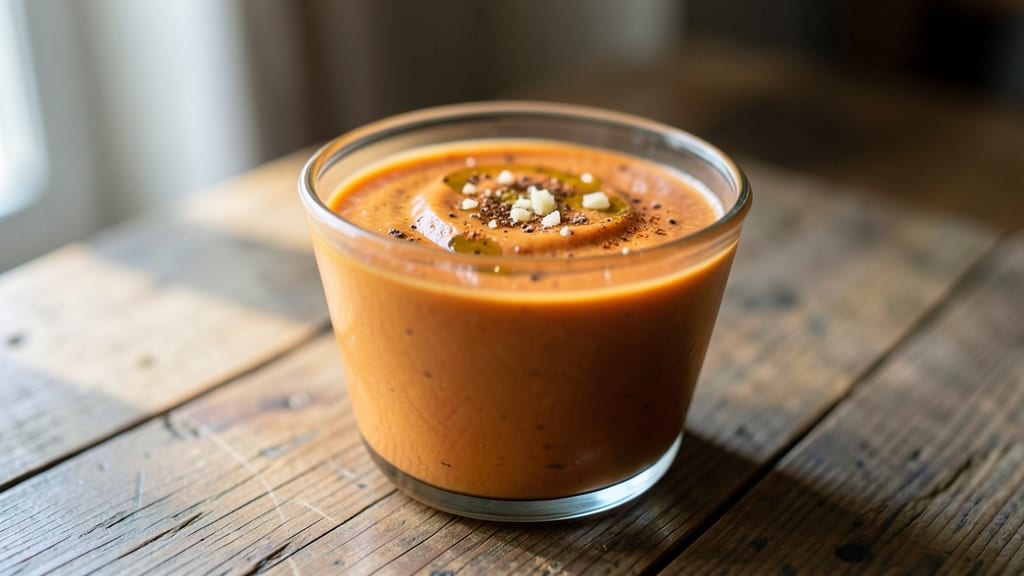
Sweet potato and carrot puree transforms humble vegetables into a velvety, ultra-smooth side dish that’s ready in just 20 minutes. This recipe delivers a creamy texture perfect for vegan diets, baby food, or as a rich soup base—no dairy or heavy cream required. The secret lies in proper cooking and blending techniques that eliminate lumps while maximizing natural sweetness and depth.
What sets this puree apart is its versatility—adjust seasoning for sweet applications (cinnamon, nutmeg) or savory twists (garlic, smoked paprika). Roasting the vegetables first enhances their natural sugars, creating a deeper flavor profile than steaming alone.
The addition of plant-based milk or olive oil ensures that luxurious, restaurant-quality creaminess without compromising dietary preferences.
By the time you’re done, you’ll have a perfectly smooth puree with a silky texture that pairs beautifully with roasted meats, grilled fish, or even as a standalone dish.
The recipe scales effortlessly from family dinners to meal prep, and leftovers store well in the fridge for up to 5 days—ideal for busy weeks when convenience meets nutrition.
The best part? This puree serves as a canvas for creativity. Use it as a vibrant side, blend it into soups for body, or even transform it into a dessert with a touch of maple syrup and spices. Here’s how to achieve that flawless, velvety consistency every time.
Ingredients for sweet potato and carrot puree
Roasted sweet potatoes and carrots blend into velvety perfection with these 11 plant-based ingredients.
| Ingredient | Amount | Notes |
|---|---|---|
| Sweet Potatoes 🍠 | 2 lbs | Organic preferred, peeled and cubed |
| Carrots 🥕 | 1 ½ lbs | Organic preferred, peeled and chopped |
| Extra-Virgin Olive Oil 🫒 | ¼ cup | For roasting and blending |
| Unsweetened Almond Milk 🥛 | ½ cup | For creaminess, unsweetened variety |
| Fresh Garlic Cloves 🧄 | 3 cloves | Minced for depth of flavor |
| Ground Cinnamon 🌿 | ½ tsp | For warmth, adjust to taste |
| Smoked Paprika 🌶️ | ¼ tsp | For subtle smokiness |
| Sea Salt 🧂 | ½ tsp | Diamond Crystal preferred |
| Freshly Ground Black Pepper 🌶️ | ¼ tsp | For balanced seasoning |
| Fresh Nutmeg 🌿 | ⅛ tsp | Finely grated for sweet applications |
| Maple Syrup 🍯 | 1 tbsp | For subtle sweetness adjustment |
The sweet potatoes and carrots are the foundation, and organic varieties deliver the deepest flavor. Whole Foods Market or local farmers markets often carry the sweetest varieties—look for firm, vibrant produce with no soft spots. Roasting at high heat caramelizes their natural sugars, creating that rich depth mentioned in the introduction. For the best texture, peel them before roasting—this prevents bitterness and ensures a silky finish. If you're making this for baby food, skip the smoked paprika and nutmeg, but keep the cinnamon for a gentle sweetness.
No almond milk? Coconut milk or cashew cream works equally well for creaminess, though coconut adds a slight tropical note. Short on fresh garlic? Garlic powder at half the amount suffices, but fresh is ideal for that aromatic depth. The maple syrup is optional—adjust based on how sweet you prefer your puree. For savory applications, reduce the cinnamon to 1/4 tsp and add a pinch of onion powder. Prefer a different spice profile? Swap smoked paprika for turmeric or cumin—both pair beautifully with roasted vegetables.
Roasted vegetables keep in the fridge for 5 days before blending, but fresh is always best. The puree itself stores for 5 days in an airtight container, and freezes beautifully for 3 months—portion into ice cube trays for easy single-serving use. For baby food, cool completely before storing. The puree thickens as it cools, so add a splash of plant milk when reheating if needed. This recipe scales perfectly for meal prep—double the batch and freeze half for future convenience.
Why You'll Love This Recipe
- One-Pot Magic: I swear by this recipe—just roast the veggies, blend, and boom. No extra bowls, no extra mess. The sweet potatoes caramelize right in the pan while the carrots soften perfectly, and the olive oil keeps everything rich without a single saucepan in sight.
- Garlic-Glazed Goodness: That roasted garlic? It’s the star. When you press it into the warm puree with a fork before blending, it releases this deep, nutty sweetness that turns ordinary into ridiculously good. Honestly, I’ve made this puree for years, and this one tweak is the only thing I’d never skip.
- Meals for Days: This puree is my meal-prep MVP. Spread it on toast for breakfast, mix it into curries for dinner, or even use it as a base for veggie burgers. I’ll be real: it’s not the prettiest in a jar, but the flavor holds up for at least five days in the fridge, and it’s always the first thing to disappear.
- Budget-Friendly Flex: Sweet potatoes and carrots are cheap, and this recipe stretches them far. A single batch feeds my family for three lunches or two dinners, and the almond milk keeps it creamy without breaking the bank. Plus, the olive oil adds richness without the cost of heavy cream—win, win.
Step-by-step instructions for sweet potato and carrot puree
This method guarantees an ultra-smooth, velvety puree with perfect balance of sweetness and warmth.
Roast Vegetables Until Tender
Preheat your oven to 400°F. Line a large baking sheet with parchment paper and arrange the 2 lbs sweet potatoes and 1.5 lbs carrots in a single layer. Drizzle evenly with the 0.25 cup extra-virgin olive oil and toss gently to coat completely. Spread them out so they don't overlap—this ensures even roasting.
Roast for 20-25 minutes until the sweet potatoes are fork-tender and the carrots are soft enough to pierce easily with a knife. The edges should be slightly caramelized, which adds natural sweetness and depth of flavor. Real talk: if you see any pieces still firm after 25 minutes, give them another 5 minutes—they need to break down completely for that silky texture.
Blend Roasted Vegetables with Seasonings
Transfer the roasted vegetables to a high-powered blender or food processor. Add the 3 cloves fresh garlic cloves, 0.5 tsp ground cinnamon, 0.25 tsp smoked paprika, 0.5 tsp sea salt, and 0.25 tsp freshly ground black pepper. Here's the thing—don't skip the garlic. It adds a subtle depth that balances the sweetness perfectly, but don't overdo it or the flavor will become overpowering.
Blend on high speed, stopping occasionally to scrape down the sides, until the mixture is completely smooth. You'll know it's ready when you can't detect any visible chunks. If you're using a regular blender, you might need to work in batches, but a high-powered blender will handle all 3.5 lbs of vegetables at once. The puree should look like a thick, vibrant orange custard with no texture.
Create Ultra-Smooth Texture with Liquid Ingredients
With the blender still running, gradually add the 0.5 cup unsweetened almond milk through the feed tube. This creates the perfect consistency—smooth enough for dips or spreads, but thick enough to hold its shape. The almond milk also adds a subtle creaminess that rounds out the earthy sweetness of the vegetables. I've found that adding it slowly prevents lumps and ensures a velvety finish.
Once fully combined, transfer the puree to a mixing bowl. Stir in the 0.125 tsp fresh nutmeg and 1 tbsp maple syrup. Taste and adjust seasoning if needed—this is where you can fine-tune the sweetness. The nutmeg adds warmth that complements the natural sweetness of the vegetables beautifully. If the puree is too thick for your desired consistency, whisk in additional almond milk 1 tablespoon at a time until you reach your preferred texture.
Finish and Serve Immediately
For the best results, serve the puree immediately while still warm. The warmth enhances the natural sweetness and makes the flavors more vibrant. If you need to store it, transfer to an airtight container and refrigerate for up to 5 days. When ready to use, reheat gently in a saucepan over low heat, stirring frequently to prevent scorching, until warmed through.
This puree works beautifully as a side dish, dip for veggie sticks, or even as a base for soups and stews. The combination of sweet potatoes and carrots creates a naturally sweet flavor profile that's balanced by the warm spices. Don't be tempted to skip the nutmeg—it's the secret ingredient that elevates this puree from good to extraordinary.
Pro Tips For Making Sweet Potato And Carrot Puree
- PEEL AFTER COOKING: Sweet potatoes and carrots lose nutrients—and sometimes texture—when peeled raw. Drop them whole into boiling water, cook until fork-tender (about 15-20 minutes), then peel while still warm. The skins slide off effortlessly, and you keep more of that velvety sweetness in the puree.
- ROAST FIRST, PUREE SECOND: Skip boiling for a deeper flavor. Toss peeled, cubed sweet potatoes and carrots with olive oil, salt, and a minced garlic clove, then roast at 400°F (200°C) for 25-30 minutes until caramelized. The concentrated sweetness and smoky notes make the puree taste like it simmered for hours—without the fuss.
- STRAIN OUT THE GARLIC: Fresh garlic cloves can turn bitter or leave a harsh aftertaste when blended raw. Sauté them in olive oil until fragrant (just 30 seconds), then mash them into the hot puree before blending. This softens their punch while keeping the aroma intact—no lingering bite, just warmth.
- DILUTE GRADUALLY WITH MILK: Adding almond milk all at once turns your puree into soup. Instead, blend the roasted veggies with a splash of milk first, then drizzle in the rest while tasting. You’ll hit the perfect consistency faster—creamy but not watery—and avoid over-diluting the rich sweet potato flavor.
Troubleshooting perfect results
Lumpy Puree Fix
If your puree has lumps despite blending, it’s likely because the vegetables weren’t soft enough. Roast an extra 5-10 minutes until completely tender, then blend with 2-3 tablespoons of hot water or plant-based milk—the heat helps break down fibers.
For stubborn lumps, push the mixture through a fine-mesh sieve or use an immersion blender for a silky finish. 🌟
Too Thick or Dry
A thick, dry puree usually means too little liquid was added. Whisk in 1 tablespoon almond milk or coconut milk at a time—start with the minimum and adjust.
If the texture is still too stiff, warm the puree gently over low heat while stirring, as this loosens the fibers. For baby food, thin with water or breastmilk to achieve a spoonable consistency.
Bitter or Harsh Taste
Over-roasting or using bitter sweet potatoes can turn your puree unpleasant. Opt for organic sweet potatoes—they’re sweeter and less bitter. If the flavor is off, balance it with ½ teaspoon maple syrup or a pinch of cinnamon.
For a savory twist, add a splash of lemon juice—it brightens the flavor without overpowering.
Blender Overload
If your blender struggles with the volume, work in batches. Transfer half the roasted veggies to the blender, blend until smooth, then repeat. For a high-powered blender like Vitamix or Ninja, this isn’t an issue, but standard blenders may need help.
If needed, use a potato masher first to break down the veggies before blending.
Puree Too Watery
If your puree is too thin, it likely absorbed too much liquid during roasting. Simmer the blended puree in a saucepan over medium-low heat—the moisture will evaporate, thickening it naturally.
For immediate fixes, stir in 1 tablespoon cornstarch mixed with 1 tablespoon cold water—cook until thickened. Avoid overcooking, or it may separate.
Storage Issues
If your puree separates or develops a skin after refrigeration, stir in 1 tablespoon almond milk—this restores creaminess. For freezer storage, cool the puree completely before transferring to airtight containers, leaving ½-inch headspace—this prevents ice crystals. Reheat gently on the stovetop, stirring frequently to avoid scorching.
Nutrition facts
Frequently asked questions
Can I make this puree without roasting the vegetables?
Yes, but the flavor will be less rich. For a quick version, steam or boil the sweet potatoes and carrots until fork-tender (15-20 minutes), then proceed with blending. Roasting develops deeper caramelization and natural sweetness, but steaming works in a pinch—just add an extra 1/2 teaspoon maple syrup to compensate for the milder flavor.
How do I adjust the seasoning for baby food?
For infants, skip the smoked paprika and nutmeg, and reduce cinnamon to 1/8 teaspoon. Use only 1/4 teaspoon sea salt and omit garlic if your baby is under 6 months. Sweeten with just 1/2 tablespoon maple syrup—babies' taste buds are still developing, so keep flavors gentle. Always check with your pediatrician before introducing new foods.
Can I substitute butternut squash for sweet potatoes?
Use a 1:1 ratio of butternut squash to sweet potatoes (about 2 lbs total). The flavor will be slightly nuttier and less sweet, so add an extra 1/2 teaspoon cinnamon and 1/2 teaspoon maple syrup to balance. Butternut squash also adds a beautiful golden hue—perfect for fall dishes or holiday sides.
Why does my puree turn out grainy even after blending?
Graininess usually means the vegetables weren't soft enough or you didn't add enough liquid. First, ensure they're completely fork-tender before blending. Then, add the almond milk slowly while blending—this helps emulsify the mixture. For stubborn lumps, push the puree through a fine-mesh sieve or use an immersion blender for a silky finish.
How can I make this puree extra creamy without dairy?
For a richer texture, replace almond milk with 1/2 cup cashew cream (soak 1/2 cup raw cashews in hot water for 15 minutes, then blend). Alternatively, stir in 1 tablespoon tahini or olive oil after blending. Both options add body and a velvety mouthfeel while keeping it plant-based. The cashew cream also adds a subtle sweetness that complements the vegetables beautifully.