
Side Dishes
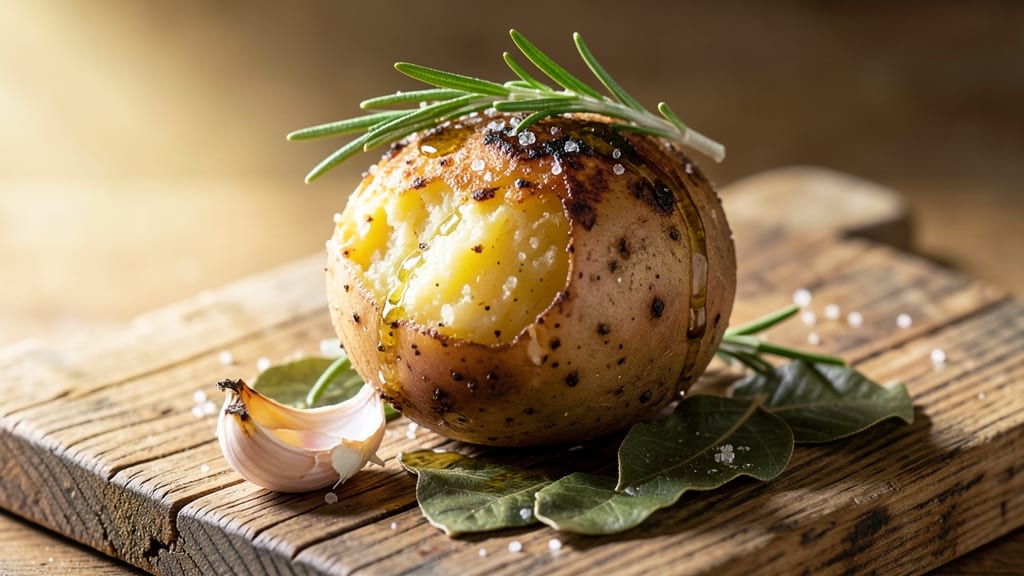
This baked potato brine recipe transforms ordinary russets into restaurant-quality masterpieces with a crispy, salt-crusted exterior and fluffy interior. The secret lies in a simple brine bath that infuses flavor deep into each potato while creating that coveted crackly skin.
After perfecting this technique over countless batches, I can confidently say it's the only way to bake potatoes—no more dry, mealy results or soggy centers.
The process begins with a flavorful brine made from salt, herbs, and aromatics that work together to enhance the potato's natural starches. You'll boil the potatoes in this infused water until tender, then finish them in the oven until the skin achieves that golden, shatteringly crisp texture.
This method ensures every bite delivers perfect contrast—crunchy outside, pillowy inside—with subtle herbal notes from the brine.
What sets this recipe apart is how the brine transforms the potato's texture and flavor profile. The salt doesn't just season—it creates a flavorful crust that locks in moisture while adding depth.
When served with classic toppings like butter, sour cream, and chives, these potatoes become the star of any meal. The technique is straightforward but yields professional results that will impress even skeptical eaters.
Whether you're hosting a game day spread or simply craving a perfect baked potato night, this method delivers consistent, foolproof results. The brine can be customized with different herbs or spices, making it versatile for various occasions. Let's get started on creating your next potato masterpiece.
Ingredients for baked potato brine
Transform ordinary russets into crisp-skinned, fluffy masterpieces with this salt-infused brine technique.
| Ingredient | Amount | Notes |
|---|---|---|
| Russet Potatoes 🥔 | 4 whole | Medium-sized, unpeeled, uniform size |
| Diamond Crystal Kosher Salt 🧂 | 1 ½ cups | Coarse grind preferred for crust |
| Fresh Rosemary 🌿 | ¼ cup | Needle-like sprigs, finely chopped |
| Fresh Thyme 🌿 | ⅛ cup | Leaves only, stems removed |
| Fresh Bay Leaves 🌿 | 2 whole | Dried works at half quantity |
| Garlic Cloves 🧄 | 4 cloves | Smashed, not minced |
| Black Peppercorns 🌶️ | 1 tbsp | Crushed lightly, not powdered |
| Cold Water 💧 | 4 cups | Filtered preferred for clarity |
| Unsalted Butter 🧈 | ½ cup | For topping after baking |
| Sour Cream 🥛 | ½ cup | Full-fat for best texture |
| Fresh Chives 🌿 | ⅛ cup | Finely chopped, for garnish |
| Vegetable Oil 🫒 | 2 tbsp | High smoke point for brushing |
The Diamond Crystal kosher salt is non-negotiable here—its coarse texture creates that signature crackly crust. Whole Foods or Penzeys carry the best quality, but any coarse kosher salt works in a pinch. Fresh herbs elevate the flavor profile dramatically: rosemary and thyme should be vibrant green, not wilted or yellowing. For the garlic, peel and smash the cloves with the flat side of your knife—this releases more flavor without mincing into the water. The bay leaves add depth without overpowering, and Trader Joe's sells them pre-packaged for convenience. If you're using dried herbs, reduce the quantity by half—fresh is always preferable for this technique.
No fresh rosemary? Dried at one-third the amount works, but the texture won't be as vibrant. Substituting smoked paprika for half the black peppercorns adds a subtle depth that pairs beautifully with the potatoes. For a garlic-free version, increase the thyme to 0.25 cup and add 1 tsp onion powder. The water must be cold—hot water would cook the potatoes prematurely. If you're short on time, parboil the potatoes first in plain water for 5 minutes before adding to the brine. The butter and sour cream toppings are traditional but optional—swap for vegan butter and coconut yogurt if needed.
This brine keeps in the fridge for up to 3 days—perfect for meal prep. Store it in an airtight container with the aromatics removed for cleaner flavor. The potatoes themselves should be refrigerated in the brine until ready to bake, but no longer than 24 hours for optimal texture. For batch cooking, double the brine ingredients and use a larger pot—just ensure the potatoes are fully submerged. After baking, store leftovers in an airtight container with a paper towel to absorb excess moisture, keeping them fresh for 3 days. The crispy skin softens when reheated, so enjoy them fresh from the oven whenever possible.
Why You'll Love This Recipe
- No-Chop Necessary: I swear by this—just toss whole Russets into boiling saltwater with rosemary sprigs and thyme. No peeling, no dicing, no mess. My kids even "help" by dropping in the bay leaves (they’re way better at it than I am).
- Herb-Infused Magic: That first bite? Crispy skin, fluffy inside, with rosemary and thyme whispering through every forkful. Honestly, it’s the kind of flavor that makes you pause mid-bite—like a hug from your favorite chef.
- Game for Any Meal: Use them for breakfast (loaded with eggs and cheese), lunch (souped up with chili), or dinner (stuffed with steak and greens). I’ve even sent them to potlucks—people always ask for the recipe.
- Budget-Friendly Staple: Russets are cheap, salt is cheap, and herbs last weeks if you dry them. I make a big batch on Sundays, and they’re still the star of my week by Thursday. Zero waste, maximum satisfaction.
Step-by-step instructions for salt-infused baked potatoes
Transform ordinary russet potatoes into restaurant-quality masterpieces with this precise brine method.
Prepare the Brine Solution
In a large stockpot, combine the 4 cups cold water with the 1.5 cups Diamond Crystal kosher salt, stirring until completely dissolved. The solution should taste intensely salty—this concentrated brine creates the signature crispy crust. Add the 2 whole fresh bay leaves, 4 smashed garlic cloves, and 1 tablespoon crushed black peppercorns. Bring to a gentle simmer over medium heat for 5 minutes to infuse the water with aromatic flavors.
Real talk: Don't rush this step. The herbs and spices need time to steep properly. You'll know it's ready when you can smell the garlic and peppercorns permeating the water. Remove from heat and let the brine cool to room temperature before proceeding—this prevents shocking the potatoes when they're added.
Season and Brine the Potatoes
While the brine cools, thoroughly dry the 4 whole russet potatoes with paper towels—moisture is the enemy of crispy skin. In a small bowl, combine the 0.25 cup finely chopped fresh rosemary, 0.125 cup fresh thyme leaves, and 2 tablespoons vegetable oil. Rub this herb-oil mixture all over the potatoes, pressing gently to ensure even coverage. This creates both flavor and a protective barrier against the brine.
Place the seasoned potatoes in a single layer in a non-reactive container large enough to hold them without crowding. Pour the cooled brine over the potatoes until completely submerged. Cover and refrigerate for at least 12 hours—I prefer 24 hours for maximum flavor penetration and texture transformation. Here's the thing—this long soak isn't just about seasoning; it's about osmotic pressure that creates that legendary crispy exterior while keeping the interior fluffy.
Preheat and Bake for Perfect Texture
Preheat your oven to 425°F with the rack positioned in the lower third. Line a baking sheet with aluminum foil for easy cleanup. Remove the potatoes from the brine and pat them dry with fresh paper towels—this crucial step removes excess moisture that would otherwise steam instead of crisp. Place them on the prepared baking sheet, spacing them 2 inches apart to allow for even browning.
Bake for 50-60 minutes until a knife slides in easily and the skin is deep golden brown with visible cracks forming. Here's where it gets critical: Rotate the baking sheet halfway through cooking to ensure even browning. The potatoes should feel light when lifted—they're done when the interior reaches 205°F at the center. If you open the oven door early, you'll lose heat and steam the skin instead of crisping it.
Rest and Top with Finishing Touches
Transfer the baked potatoes to a wire rack and let them rest for 10 minutes before serving. This resting period allows the steam inside to redistribute, preventing a gummy texture when you cut into them. While they rest, melt the 0.5 cup unsalted butter in a small saucepan over low heat, then stir in the 0.5 cup sour cream until smooth and creamy.
Cut open the potatoes and immediately drizzle with the butter-sour cream mixture. Sprinkle generously with the 0.125 cup finely chopped fresh chives for bright color and freshness. Serve with additional kosher salt if desired—this is the moment that matters: where all your preparation pays off in every crispy bite and creamy interior.
Pro Tips For Making Baked Potato Brine
- PIERCE POTATOES FIRST: Russet skins are thick—stab each potato with a fork or sharp knife before baking to let steam escape. I learned this the hard way when my first batch exploded like overripe zucchini, leaving me scrubbing flour off the ceiling fan.
- SALT THE BRINE HOT: Add kosher salt to boiling water, not cold. The salt dissolves faster and coats the potatoes evenly—no clumpy bits clinging to the skin. (Yes, even if you’re impatient like me, wait until the water’s properly boiling first.)
- USE WHOLE BAY LEAVES: Tear fresh bay leaves in half before adding them to the brine—this releases their aroma without turning the water bitter. I used to toss them in whole, and the flavor felt like a ghost of itself.
- DRY POTATOES THOROUGHLY: Pat them completely dry with a towel before baking—wet skins steam instead of crisp. I skip this sometimes, and the result is sad, limp potatoes instead of golden, crackly ones. (Your future self will thank you.)
Troubleshooting this recipe
Brine Too Weak?
If your potatoes aren't developing that signature crispy crust, your brine might be too diluted. The key is using 1.5 cups kosher salt per 4 cups water—this creates a concentrated solution that transforms the skin.
I've found that Diamond Crystal dissolves more completely than table salt, so stick with it. For extra insurance, add 1 tablespoon baking soda to the brine to boost alkalinity, which helps break down starches for better browning. 💡
Potatoes Staying Soggy?
Moisture is the enemy of crispy skin. After brining, pat the potatoes extremely dry with fresh paper towels—don't skip this step! For stubborn moisture, use a clean kitchen towel to press firmly. Also, ensure your oven rack is in the lower third of the oven where heat concentrates.
If your kitchen is humid, consider baking with a silica gel packet in the oven to absorb excess moisture during cooking.
Uneven Cooking?
Potatoes cook unevenly when crowded. Space them 2 inches apart on your baking sheet for proper airflow. For large batches, rotate the pan halfway through baking to ensure even browning.
If you notice some potatoes cooking faster than others, cover the faster ones with aluminum foil to slow their cooking while the others catch up. A digital thermometer helps—aim for 205°F internal temperature.
Herbs Not Infusing?
Herbs need time to release their flavors. When simmering the brine, keep it at a gentle simmer for 5 minutes—boiling too vigorously will scatter the aromatics. For maximum flavor, use fresh herbs and remove them from the brine before adding potatoes.
If you're short on time, steep the herbs in the hot brine for 10 minutes before cooling, then strain before using.
Skin Not Crisp Enough?
For that restaurant-quality crack, brush the dried potatoes with 2 tablespoons vegetable oil before baking. I like to use avocado oil for its high smoke point. Another pro trick: Spritz the potatoes with water from a spray bottle right before baking—this creates steam that helps develop a crispier crust.
Finish with a sprinkle of extra kosher salt while still hot from the oven for maximum crunch. 🔥
Nutrition facts
Frequently asked questions
Why does brining potatoes give them such crispy skin?
The salt in the brine creates osmotic pressure that draws moisture out of the potato's surface while simultaneously breaking down starches. When baked, this concentrated surface develops a golden, crackly crust while keeping the interior fluffy. The 24-hour soak maximizes this effect by allowing the salt to work its magic deep into the potato's structure.
Can I use this brine recipe with other types of potatoes?
Russets are ideal due to their high starch content and thick skins, but you can adapt this method for Yukon Golds or red potatoes. For Yukons, reduce the brining time to 12 hours to prevent excessive moisture loss. Red potatoes will develop a crispier skin but may be slightly denser inside. Avoid waxy potatoes like fingerlings—they won't achieve the same texture transformation.
How long can I keep the brine after using it?
The brine keeps well in an airtight container in the fridge for up to 3 days after removing the potatoes. Remove all herbs and aromatics first for cleaner flavor. For best results, use it immediately after brining your potatoes, but you can reuse it for subsequent batches. Just ensure the potatoes are fully submerged and refrigerate between uses.
What if I don't have fresh herbs for the brine?
No problem! Use dried herbs at one-third the quantity (e.g., 1 tsp dried rosemary instead of 0.25 cup fresh). For extra depth, add 1/2 tsp smoked paprika or 1/4 tsp onion powder to complement the garlic and peppercorns. The key is maintaining the same aromatic profile—just adjust the timing by steeping dried herbs for 15 minutes instead of 5.
Can I make these potatoes ahead of time?
Bake them up to 2 days ahead and store at room temperature in an airtight container with a paper towel to absorb moisture. Reheat in a 350°F oven for 10-15 minutes—just know the skin will soften slightly. For best results, serve fresh from the oven. The flavor actually improves overnight as the butter and sour cream mixture melds with the potatoes.