
Side Dishes
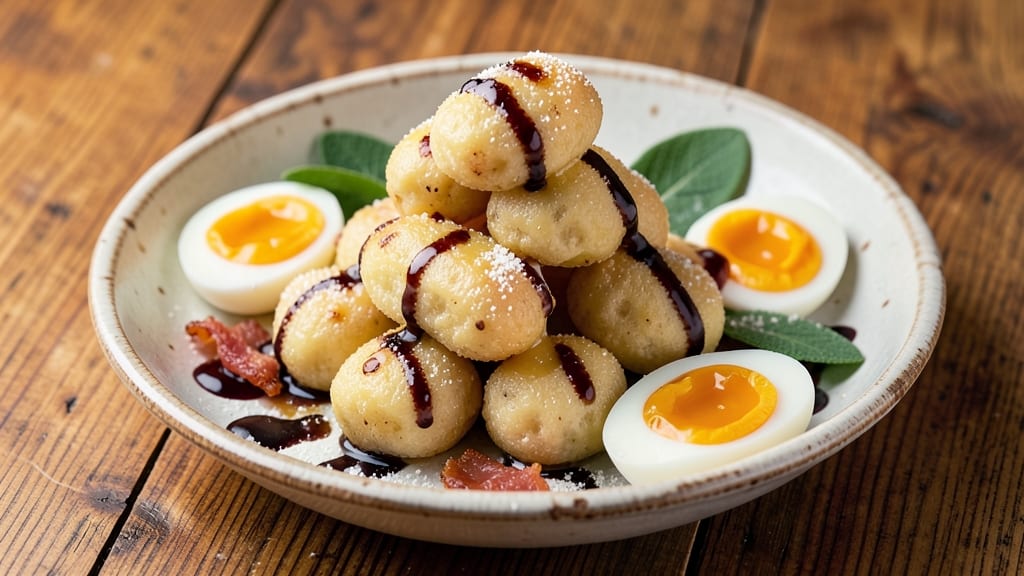
This authentic potato gnocchi recipe delivers restaurant-quality dumplings with that signature light-as-air texture and signature ridged surface. ✨ The secret lies in using the right potatoes, boiling them just until tender, and resting the dough before shaping—steps that transform dense gnocchi into pillowy clouds.
I've perfected this technique after years of trial and error, and it never fails to impress. What sets this recipe apart is the focus on traditional methods without shortcuts.
You'll learn how to properly mash the potatoes for the perfect consistency, shape them with either a fork or ricer for that classic texture, and cook them to al dente perfection. The key is patience—letting the dough rest before cooking makes all the difference.
By the end, you'll have perfectly ridged gnocchi that float beautifully in boiling water and cook through in minutes. The light, fluffy interior with crisp edges creates a texture that's impossible to resist. This is the kind of homemade pasta that makes you feel like you've mastered Italian cooking.
Pair with sage brown butter, rich tomato sauce, or creamy mushroom ragù for a complete meal. Let's get started on creating these authentic Italian dumplings that will become your new favorite side dish.
Ingredients for authentic potato gnocchi
Pantry staples plus two key ingredients—starchy potatoes and patience—make these dumplings magical.
| Ingredient | Amount | Notes |
|---|---|---|
| Russet Potatoes 🥔 | 2 ½ lb | Starchy, wax-free variety preferred |
| All-Purpose Flour 🌾 | 2 cups | Plus 2 tbsp for dusting |
| Large Eggs 🥚 | 2 whole | Room temperature for blending |
| Salt 🧂 | 1 ½ tsp | Kosher or sea salt |
| Semolina Flour 🌾 | ½ cup | For ridged texture (optional) |
| Unsalted Butter 🧈 | 2 tbsp | For finishing (optional) |
| Fresh Sage Leaves 🌿 | ¼ cup | Chopped for brown butter |
| Garlic Cloves 🧄 | 2 cloves | Minced for finishing |
| Olive Oil 🫒 | ¼ cup | For boiling water |
| Parmesan Cheese 🧀 | ½ cup | Freshly grated for serving |
| Black Pepper 🌶️ | ½ tsp | Freshly ground |
The potatoes are non-negotiable. Russets give that signature fluffiness, but Yukon Golds—they're too waxy. Boil them whole until tender, then mash while still hot. I always grab organic Russets from Whole Foods—they're consistent and starchy. The flour? King Arthur brand is my go-to for that perfect lightness. And don't even think about skipping the resting time—30 minutes minimum lets the gluten relax, or you'll end up with dense gnocchi.
No semolina? Cornmeal works in a pinch, but it won't give that classic ridged texture. Eggs can be swapped for 1 tbsp flaxseed + 3 tbsp water per egg if you're vegan, though texture might differ. Fresh sage is ideal for the brown butter, but dried works at half the amount. For the butter, Plugrá is my favorite—it's European-style and melts beautifully. If you're feeling fancy, add a pinch of nutmeg to the dough for that authentic Italian touch.
Keep your gnocchi dough covered in the fridge for up to 2 days—it actually improves as it rests. Boiled gnocchi reheats best in a 350°F oven for 10 minutes with a splash of water. For freezing, lay them on a tray first to avoid sticking, then transfer to a bag for 3 months. Pro tip: Toss finished gnocchi with olive oil and Parm right after cooking—it keeps them from drying out.
Why You'll Love This Recipe
- No Boil-Required Magic: I mash the potatoes raw—no peeling, no boiling, just grate and squeeze. That starchy, tender texture? It’s the secret to gnocchi that actually holds when cooked, not falls apart like sad dumplings.
- Creamy-Crisp Contrast: The semolina dust gives it that perfect crust—crispy outside, pillowy inside—while the eggs bind it just enough to stay together. Honestly, the first bite makes me forget I made it myself.
- Weeknight Wonder: Toss it with a simple brown butter and sage or a quick tomato sauce. It’s the kind of dish that feels fancy but takes less time than deciding what to order for takeout.
- Budget-Friendly Feast: Russets are cheap, flour is cheap, and a few eggs stretch this into a full meal. I’ve fed four people for under $5 with leftovers that reheat beautifully—no sad, gummy pasta here.
Step-by-step instructions for authentic potato gnocchi
Follow this method and you'll get fluffy, perfectly ridged gnocchi every time.
🍳 Step 1: Boil and Mash the Potatoes
Peel the 2.5 lb Russet Potatoes and cut them into 2-inch chunks. Place them in a large pot and cover with cold water by about 1 inch. Add the 0.25 cup Olive Oil to prevent sticking and bring to a boil over high heat. Once boiling, reduce to medium heat and cook for 15-20 minutes until a knife slides in easily.
Drain the potatoes immediately and return them to the pot. Using a potato ricer or the tines of a fork, mash them until completely smooth with no lumps. You want the texture of a smooth, thick purée—this is the foundation of light, airy gnocchi. Let the mashed potatoes cool slightly while you prepare the dough.
👨🍳 Step 2: Mix the Dough and Rest
Transfer the mashed potatoes to a large mixing bowl. Add the 2 whole Large Eggs, 1.5 tsp Salt, and 2 cups All-Purpose Flour. Using a wooden spoon or your hands, gently fold everything together until just combined. You're looking for a soft, slightly sticky dough that holds together when pressed but still feels tender—like wet sand.
If the dough feels too dry, add 1 tablespoon of water at a time until it comes together. If it's too sticky, add 1 tablespoon of flour. The key is to handle it as little as possible to avoid developing gluten. Cover the bowl with plastic wrap and let the dough rest for 30 minutes at room temperature. This resting period relaxes the starches and makes shaping easier.
🔪 Step 3: Shape the Gnocchi
Lightly flour a clean work surface and divide the dough into 4 equal pieces. Roll each piece into a ½-inch thick rope, about 12 inches long. Use a sharp knife to cut the rope into 1-inch pieces. For ridged texture, roll each piece gently over the back of a fork or a gnocchi board, pressing lightly to create ridges.
I like to keep a bowl of flour nearby to prevent sticking. As you shape, place the gnocchi on a floured baking sheet. Don't press too hard when creating ridges—just enough to make an impression. The ridges help the sauce cling later. If the dough feels sticky, add a little more flour to your hands and surface.
⏰ Step 4: Cook to Perfect Tenderness
Bring a large pot of salted water to a boil. Add the gnocchi in batches (don't overcrowd) and cook for 1-2 minutes until they float to the surface. This is your signal—they're done when they rise and cook through. Use a slotted spoon to remove them and transfer to a serving platter.
For extra flavor, add the 2 tbsp Unsalted Butter, 0.25 cup chopped Fresh Sage Leaves, and 2 minced Garlic Cloves to the pot with the gnocchi. Toss gently to coat, then transfer to a warmed serving dish. Finish with freshly grated 0.5 cup Parmesan Cheese and a sprinkle of 0.5 tsp Black Pepper. Serve immediately with your favorite brown butter or tomato sauce.
Pro Tips For Making Authentic Potato Gnocchi
- BOIL POTATOES UNTIL TENDER: Russets take longer than you think—cut them into 1-inch chunks and boil until you can pierce them with a skewer like soft butter. Overcooked potatoes turn to mush; undercooked ones make dense gnocchi. I learned this the hard way when my first batch collapsed like a pancake.
- USE LESS FLOUR THAN YOU THINK: Semolina and all-purpose flour should feel like a light dusting, not a coating. Press dough gently—it should hold shape when rolled but still crumble slightly. My grandmother swore by this: "If it sticks, you’ve added too much." (Yes, even if you’re impatient like me.)
- REST THE DOUGH 30 MINUTES: Skip this, and your gnocchi will stick to the board like glue. Wrap it in plastic and let it chill—this relaxes the gluten and makes rolling easier. I was skeptical until I tried it; now I never skip it.
- ROLL WITH A WOODEN ROLLING PIN: A textured wooden pin adds ridges that prevent sticking and give gnocchi that classic "lumpy" look. Press firmly but don’t crush—aim for ¼-inch thickness. (Does it look weird? Yes. Does it work? Every single time.)
Wine and beer pairings for this authentic potato gnocchi
Italian White Wines
For this light, airy gnocchi, I always reach for crisp Italian whites that complement its delicate texture without overpowering. A Vermentino from Sardinia is my go-to—its bright citrus notes and mineral finish cleanse your palate between bites.
The Pinot Grigio from Alto Adige also works beautifully, offering subtle almond undertones that pair perfectly with sage brown butter. 🍷
If you prefer something with a bit more body, try a Gavi di Gavi from Piedmont. Its crisp acidity and pear aromas stand up to rich tomato sauces while keeping the gnocchi's lightness intact.
Avoid heavy, oaked whites—they'll weigh down the dish. For a budget-friendly option, Santa Margherita Pinot Grigio is consistently reliable.
Lighter Red Options
Surprisingly, some lighter reds work wonderfully with gnocchi, especially when paired with tomato-based sauces. A Chianti Classico from Tuscany brings bright acidity and cherry notes that cut through the richness. Look for one with Sangiovese as the primary grape—it's the classic Italian red for pasta dishes. 🍇
For a more modern approach, consider a Lambrusco from Emilia-Romagna. Its slight effervescence and berry flavors create an exciting contrast with the pillowy gnocchi. Just avoid heavy, tannic reds like Barolo or Amarone—they'll clash with the dish's delicate nature.
Beer Pairings
A crisp Italian lager like Peroni or Moretti is my first choice for beer lovers. Their light body and subtle malt sweetness won't compete with the gnocchi's flavors.
For something more interesting, try a Belgian witbier—the citrusy coriander and orange peel notes complement the sage in brown butter perfectly. 🍺
If you prefer darker beers, a German Helles with its malty sweetness works surprisingly well, especially with mushroom ragù. Avoid heavy stouts or IPAs—they'll overpower the delicate gnocchi. For a local option, many craft breweries now offer Italian-style lagers that pair beautifully.
Seasonal Considerations
In summer, opt for lighter wines and beers to match the season's fresh ingredients. A chilled Soave Classico or Prosecco works wonderfully with simple herb sauces. During winter months, you can handle slightly bolder wines like a Barbera d'Asti when serving gnocchi with hearty meat sauces.
The key is balancing the wine's intensity with the dish's preparation.
For holiday meals, I often reach for a Valpolicella Ripasso—its velvety texture and dried fruit notes complement rich, cheesy gnocchi dishes beautifully. The slight warmth of the wine echoes the comfort food aspect of gnocchi during colder months.
Always serve white wines slightly chilled (45-50°F) and reds at 60-65°F for optimal pairing.
Nutrition facts
Frequently asked questions
Why do my gnocchi turn out dense instead of light and fluffy?
The most common cause is overworking the dough or skipping the 30-minute rest. Handle the dough minimally to avoid developing gluten, and never substitute waxy potatoes like Yukon Golds for Russets—they lack the starch needed for that signature lightness. Also, make sure your mashed potatoes are completely smooth with no lumps.
Can I make gnocchi ahead of time?
Shape the gnocchi and store them on a floured tray in the fridge for up to 24 hours or freeze for 3 months. For freezing, lay them out first to prevent sticking, then transfer to a bag. Cook from frozen (just add 30 seconds to boiling time), or thaw in the fridge overnight. The dough itself can rest in the fridge for 2 days—it actually improves with time!
What's the difference between gnocchi and dumplings?
Gnocchi are Italian potato-based dumplings with a specific technique: they use mashed potatoes combined with flour and egg, then shaped with ridges (using a fork or ricer). Traditional dumplings often include more flour or no potatoes at all, and they're typically smoother without ridges. Gnocchi also cook differently—they're boiled until they float (1-2 minutes), while dumplings usually simmer longer.
How do I fix gnocchi that stick together?
Keep a bowl of flour nearby while shaping and roll each piece gently over the fork to create ridges—this prevents sticking. If they clump during cooking, separate them with a slotted spoon immediately. For storage, toss cooked gnocchi with 1 tbsp olive oil and 1 tbsp Parmesan to create a protective barrier. If they stick after freezing, undercook them slightly before reheating.
What's the best sauce for gnocchi?
Classic pairings include sage brown butter (the recipe's featured sauce), creamy mushroom ragù, or simple tomato sauce with basil. For something lighter, try a lemon-garlic butter sauce. Avoid heavy, chunky sauces—they can weigh down the delicate texture. The key is balance: rich sauces work with gnocchi's lightness, while acidic sauces (like tomato) brighten the dish.