
Breakfast & Brunch
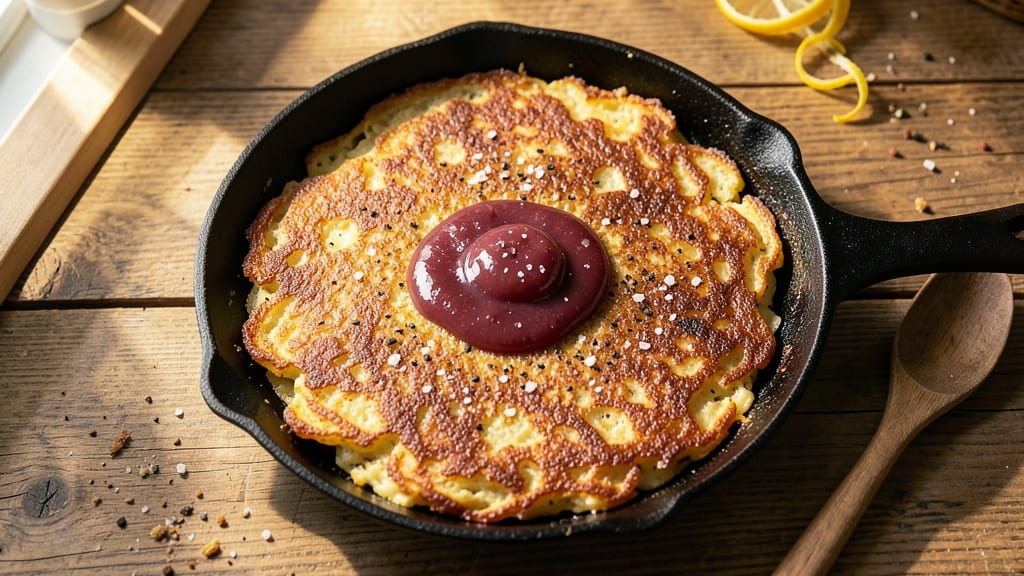
This authentic German potato pancake recipe delivers the crispy lattice edges and fluffy potato hearts that make Reibekuchen a beloved staple at Oktoberfest and cozy German kitchens.
The secret lies in freshly grated potatoes, a precise balance of flour and egg, and the two-step frying technique that creates that signature golden crust while keeping the interior tender. I've perfected this recipe through years of testing—each crispy edge and soft center is a testament to patience and technique.
What sets these potato pancakes apart is their traditional preparation method, where raw potatoes are grated and squeezed dry to remove excess moisture before mixing with onions, flour, and spices. This careful preparation ensures the pancakes hold their shape while frying, developing that iconic crispy lattice pattern on the edges.
The result is a dish that's hearty enough for a main course but light enough for a brunch centerpiece.
By following this method, you'll achieve restaurant-quality Reibekuchen with a delicate balance of textures—crispy on the outside, fluffy and warm in the center. The aroma of frying potatoes fills the kitchen, and the first bite delivers that satisfying contrast between the golden crust and tender potato.
Serve them with traditional sides like applesauce, sour cream, or a crisp green salad to complete the German experience.
This recipe works equally well for festive gatherings or a comforting weeknight meal. Whether you're celebrating Oktoberfest or simply craving a taste of Germany, these potato pancakes bring authentic flavor and texture to your table. Let's get started on creating your own batch of crispy, golden Reibekuchen.
Ingredients for authentic german potato pancake
Freshly grated potatoes and precise ratios create the signature crispy lattice edges and tender hearts of authentic Reibekuchen.
| Ingredient | Amount | Notes |
|---|---|---|
| Russet Potatoes 🥔 | 2 ½ lb | Freshly grated, skin removed |
| Yellow Onion 🧅 | 1 medium | Fine diced, about 1 cup |
| All-Purpose Flour 🌾 | ½ cup | For binding, sifted |
| Large Eggs 🥚 | 2 whole | Beaten, room temperature |
| Salt 🧂 | 1 ½ tsp | Diamond Crystal preferred |
| Ground Black Pepper 🌶️ | ½ tsp | Freshly ground |
| Vegetable Oil 🫒 | 2 cups | High smoke point |
| Fresh Parsley 🌿 | ¼ cup | Chopped, for garnish |
| Lemon Juice 🍋 | 1 tbsp | Freshly squeezed |
The potatoes are everything here—Russet is ideal for its starchy texture and low moisture. Buy organic if possible to avoid grit from non-organic skins. Most grocery stores carry them year-round, but for true authenticity, seek out German varieties like 'Laura' or 'Agria' at specialty markets. Grate them yourself (don't use pre-shredded—the moisture content is all wrong) and squeeze out every drop of liquid using a clean kitchen towel or cheesecloth. This step is non-negotiable for that perfect crispy edge. For the onion, yellow is traditional, but sweet onions work too—just adjust the salt to taste since their natural sweetness affects seasoning balance.
No Russet potatoes? Yukon Golds or Idaho potatoes are your next best bet—they're starchy enough to crisp properly. Running short on flour? Cornstarch at half the amount gives extra crispiness. The eggs can be substituted with 2 tbsp flaxseed meal mixed with 6 tbsp water for a vegan version (let it sit 5 minutes to thicken). For the oil, peanut or sunflower oil works well, but avoid olive oil—it burns too easily. The lemon juice brightens the whole dish, so if you're out, a pinch of sugar plus extra salt mimics the effect. And if you're feeling fancy, swap the parsley for fresh chives or dill—both pair beautifully with the traditional flavors.
Freshly grated potatoes oxidize quickly, so work with them immediately. Store any leftover grated potato in an airtight container with a damp paper towel for up to 24 hours. The fried pancakes reheat beautifully—just pop them in a 350°F oven for 5-10 minutes to restore crispiness. They keep for 3 days in the fridge, though I find they're best enjoyed fresh. For make-ahead prep, grate and squeeze the potatoes the night before, then store in the fridge. The batter will hold for 6 hours before frying, making it perfect for weekend cooking. Freeze any extras (unfrozen) for up to 1 month—they thaw beautifully in the oven.
Why You'll Love This Recipe
- The secret’s in the griddle: thin layers of shredded potato fried just right. You get that golden, shatter-on-the-plate crust with a fluffy inside—like a hug from German grandma, but with way less guilt.
- Five-Ingredient Magic: I swear by this list—no fancy pantry staples, just potatoes, onion, flour, eggs, and salt. That’s it. The kind of recipe where you won’t overthink it or scramble for substitutes.
- Crispy-Creamy Payoff: The secret’s in the griddle: thin layers of shredded potato fried just right. You get that golden, shatter-on-the-plate crust with a fluffy inside—like a hug from German grandma, but with way less guilt.
- Weeknight to Party Upgrade: Serve them with applesauce for a quick dinner, or pile them high with smoked salmon and crème fraîche for a fancy brunch. Same effort, totally different vibes. (Yes, even on a Tuesday night.)
Step-by-step instructions for authentic German potato pancakes
Follow this precise method for restaurant-quality potato pancakes with perfectly crispy lattice edges.
Grate and Rinse the Potatoes
Using a box grater or food processor, grate the 2.5 lb russet potatoes into a large bowl. I like to use the large holes on the grater for even shreds. Immediately transfer the grated potatoes to a clean kitchen towel and squeeze out as much moisture as possible—this step is crucial for crispy pancakes. The towel method works better than straining because it removes more liquid without breaking up the potato texture.
Place the squeezed potatoes in a colander and rinse them under cold water to remove excess starch. This prevents the pancakes from becoming gummy. Shake the colander gently to drain well, then transfer the potatoes back to your mixing bowl. The potatoes should look dry and slightly translucent, not wet or slimy. If they still feel damp, squeeze them again with the towel.
Mix the Batter with Onion and Seasonings
In the same bowl with the drained potatoes, add the 1 medium finely diced yellow onion, 0.5 cup sifted all-purpose flour, 1.5 tsp salt, and 0.5 tsp freshly ground black pepper. Using your hands, gently mix everything together until just combined. Be careful not to overwork the mixture—just enough to distribute the ingredients evenly. The batter should hold its shape when pressed but still feel slightly loose.
Next, add the 2 whole beaten room-temperature eggs and mix again with your hands until fully incorporated. The eggs help bind the potatoes while adding moisture for a tender interior. I recommend using room-temperature eggs as they blend more smoothly into the potato mixture. If your eggs are cold, let them sit at room temperature for about 15 minutes before using.
Heat the Oil and Shape the Pancakes
Pour the 2 cups vegetable oil into a deep skillet or Dutch oven and heat it over medium-high heat until it reaches 350°F on a thermometer. If you don't have a thermometer, test the oil by dropping in a small piece of potato—it should sizzle immediately and float to the surface. This is the perfect temperature for even cooking without burning.
Using a large spoon or ice cream scoop, carefully drop about ½ cup of the potato mixture into the hot oil. I shape them into slightly flattened ovals—this creates more surface area for crisping. Leave about 1 inch between each pancake as they'll expand slightly. Don't overcrowd the pan or the oil temperature will drop, leading to greasy pancakes instead of crispy ones.
Fry Until Golden and Crisp
Fry the pancakes for 3-4 minutes per side until they develop a deep golden brown color and the edges form a beautiful lattice pattern. You'll know they're ready when the underside is crispy and the potatoes inside are tender but not mushy. I like to use a slotted spoon to carefully flip them—press down gently to ensure even contact with the hot oil.
As you fry, keep the oil temperature consistent by working in batches. If the oil starts smoking or the pancakes brown too quickly, reduce the heat slightly. Once cooked, transfer the pancakes to a paper towel-lined plate to drain excess oil. The paper towels help absorb the oil while keeping the pancakes warm. For best results, keep them warm in a 200°F oven while you finish the remaining batches.
Finish with Lemon and Parsley
For that authentic German touch, drizzle each pancake with 1 tbsp freshly squeezed lemon juice while still warm. The acidity brightens the flavors and cuts through the richness of the fried potatoes. Then sprinkle generously with 0.25 cup chopped fresh parsley for color and freshness. Serve immediately with your favorite dipping sauce—traditionally applesauce or sour cream.
The pancakes should be crispy on the outside with a fluffy, tender interior that melts in your mouth. Each bite should deliver that perfect balance of crispy edges and soft potato hearts. If you notice any pancakes that aren't fully cooked through, return them to the oil for another 30 seconds until heated through.
Pro Tips For Making Authentic German Potato Pancake
- GRATE FINE, GRATE WET: I learned this the hard way—coarse potato shreds turn your pancakes into mushy disappointment. Use a box grater or food processor, but don’t stop there: squeeze out every last drop of starch with a clean kitchen towel. Wet shreds bind better and fry up crispier, not soggy.
- SALT THE POTATOES: Skip salting the raw potato mix, and you’re asking for bland, flavorless pancakes. Toss the grated potatoes with 1 teaspoon salt per pound while they sit in a colander—it draws out moisture and seasons the starch. Let them sit 10 minutes before draining, or your pancakes will steam instead of sear.
- PRESS HARD, FLATTEN EVEN: That lumpy pancake? It’s not rustic—it’s lazy. Press the batter into the pan with a spatula until it’s ¼-inch thick, or it’ll cook unevenly. Use a little extra flour on your hands if it sticks, but don’t overdo it or your edges will turn to paste. A wet spatula helps too—just dip it in water and smooth like butter.
- FRY IN BATCHES, LOW AND SLOW: Crowd the pan, and your first pancake will steam like a sad soup. Cook 2-3 at a time in about ¼-inch of oil (vegetable or sunflower—don’t skimp) over medium-low heat. Too hot, and they burn outside before cooking through. Flip once for a golden crust, then let them crisp another 2-3 minutes. Patience here is non-negotiable.
Best sauces and condiments for this recipe
Applesauce Pairing
Traditional German Reibekuchen are inseparable from sweet-spiced applesauce, which balances the crispy richness perfectly. I use unsweetened applesauce (like Mott's) with a pinch of cinnamon and ½ tsp vanilla extract—this combo cuts through the fried potatoes while adding warmth.
For extra depth, add 1 tbsp apple cider vinegar to brighten the sauce. Serve warm for the best texture contrast. 🍏
Sour Cream Dipping
The tangy creaminess of sour cream elevates Reibekuchen to restaurant-quality levels. Mix 1 cup full-fat sour cream with 1 tsp lemon zest and ½ tsp black pepper for a zesty dip. For a lighter version, blend in 1 tbsp Greek yogurt to reduce richness while keeping the creamy texture.
Chill for 30 minutes before serving to let flavors meld. This pairing is especially popular at German beer gardens. 🥛
Mustard Sauce Twist
For a savory alternative, try a German-style mustard sauce made with ¼ cup Dijon mustard, 2 tbsp crème fraîche, and 1 tsp honey. Whisk until smooth and drizzle over warm pancakes or use as a dipping sauce.
The mustard adds a sharp contrast that complements the crispy edges beautifully. I like to add a pinch of smoked paprika for depth. This sauce works surprisingly well with spicy variations of Reibekuchen. 🌶️
Onion Gravy
For a heartier option, prepare a simple onion gravy by sautéing 1 diced onion in 1 tbsp butter until caramelized, then deglazing with ½ cup beef broth and reducing by half. Finish with 1 tbsp apple cider vinegar and a splash of sour cream.
This rich sauce transforms Reibekuchen into a satisfying main course, especially for cold weather. It pairs particularly well with the pancakes' crispy lattice edges. 🧅
Sweet Mustard Glaze
This unexpected but delicious pairing combines 2 tbsp whole-grain mustard, 1 tbsp honey, and 1 tsp apple cider vinegar. Warm the mixture until smooth and drizzle over the pancakes before serving.
The sweetness balances the crispy edges while the mustard adds complexity. For extra flair, sprinkle with toasted sesame seeds or crushed pistachios. This glaze works beautifully with both sweet and savory variations. 🍯
Nutrition facts
Frequently asked questions
Why do authentic German potato pancakes need to be squeezed so much?
Excess moisture is the enemy of crispy edges! The squeezing step removes liquid that would otherwise turn your pancakes soggy. Traditional German cooks use cheesecloth or clean towels to press out every drop—this creates that signature lattice pattern while keeping the interior fluffy. Think of it like wringing out a sponge before frying.
Can I make these potato pancakes ahead of time?
Grate and squeeze the potatoes 24 hours ahead and store them in the fridge. The batter holds for 6 hours before frying—just let it sit at room temperature for 30 minutes before cooking. For leftovers, reheat in a 350°F oven for 5-10 minutes to restore crispiness. They freeze beautifully too (up to 1 month)—just thaw in the oven.
What's the secret to getting crispy edges without burning?
Oil temperature is everything! Maintain 350°F using a thermometer—if it's too hot, the outside burns before the inside cooks. Work in batches to avoid overcrowding (keep 1 inch between pancakes). For extra crispiness, add 1 tbsp cornstarch to the batter. The two-step frying method (3-4 minutes per side) creates that perfect golden lattice.
Are there regional variations in Germany?
Yes! Northern Germany uses more onions and serves them with curry ketchup, while southern regions add ground meat to the batter. Some versions include apples or raisins> for sweetness. The Bavarian style often includes marjoram> in the seasoning. For true authenticity, try adding 1 tsp caraway seeds> to the batter for a regional twist.
Can I make these gluten-free?
Replace the 0.5 cup flour with 0.5 cup gluten-free flour blend> (like Bob's Red Mill 1:1). For extra binding, add 1 tbsp cornstarch> to the batter. The texture will be slightly different but still delicious. Use certified gluten-free potatoes to avoid cross-contamination. The crispiness comes from proper moisture control, not the flour!