
Side Dishes
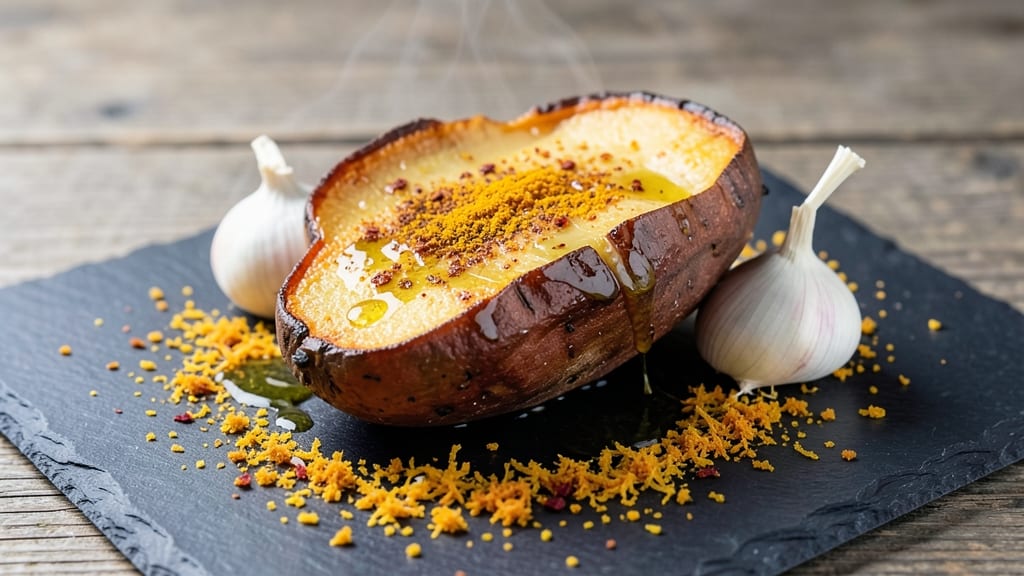
This anti-inflammatory sweet potato recipe transforms humble sweet potatoes into a nutrient-packed side dish that supports gut health and reduces inflammation. 💛 The secret lies in a powerful spice blend—turmeric, ginger, and garlic—that works together to create a flavor profile as vibrant as its health benefits.
Sweet potatoes provide fiber and vitamin A, while the spices add antioxidants and anti-inflammatory compounds that calm digestive discomfort. The recipe is designed to be simple yet impactful, requiring just 20 minutes of active prep and 45 minutes of baking time.
You’ll start by roasting whole sweet potatoes until tender, then carving them open to reveal a golden, caramelized interior. The spice blend infuses every bite with warmth and depth, making this dish both comforting and nourishing.
What makes this recipe stand out is its versatility—serve it as a standalone side for plant-based meals or pair it with grilled chicken, fish, or tofu for a balanced plate.
The natural sweetness of the potatoes balances the earthy spices, creating a dish that’s as pleasing to the palate as it is to the body. For those managing inflammation, this recipe delivers a gut-friendly combination of fiber, antioxidants, and anti-inflammatory spices.
Let’s get started on a dish that’s as good for you as it is delicious!
Ingredients for anti inflammatory sweet potato
Twelve ingredients, four servings: this anti-inflammatory blend transforms sweet potatoes into a gut-healing masterpiece.
| Ingredient | Amount | Notes |
|---|---|---|
| Medium Sweet Potatoes 🍠 | 4 whole | Organic preferred, skin-on for texture |
| Extra-Virgin Olive Oil 🫒 | ¼ cup | Cold-pressed, fruity variety |
| Ground Turmeric 🌿 | 1 tbsp | Freshly ground for potency |
| Fresh Ginger 🧄 | 1 ½ tbsp | Grated, peeled root |
| Garlic Cloves 🧄 | 4 cloves | Fresh, minced for infusion |
| Ground Cinnamon 🌶️ | ½ tsp | Ceylon preferred for purity |
| Ground Black Pepper 🌶️ | ½ tsp | Freshly cracked for warmth |
| Sea Salt 🧂 | 1 tsp | Diamond Crystal preferred |
| Coconut Oil 🥥 | 1 tbsp | For caramelized finish |
| Fresh Cilantro 🌿 | ¼ cup | Chopped, for garnish |
| Lemon Juice 🍋 | 1 tbsp | Freshly squeezed |
| Raw Honey 🍯 | 1 tsp | Manuka preferred for benefits |
The turmeric and ginger are the stars here—both potent anti-inflammatory powerhouses. Look for organic turmeric at specialty stores like Whole Foods or Sprouts for maximum curcumin content. Fresh ginger beats powdered any day; the Asian market often has the best selection of plump, fibrous roots. Sweet potatoes should be firm with vibrant orange flesh—no green spots or softness. For the olive oil, California-grown brands like Corto or Otto deliver the fruity notes that complement the spices beautifully. The cinnamon should be Ceylon if possible—it's less processed and has a lighter, sweeter profile that won't overpower the dish.
No fresh ginger? Powdered works at half the amount, though it lacks the same depth. Substitute turmeric with golden milk turmeric paste if you can find it—it's pre-infused with black pepper for better absorption. For the honey, agave nectar is a 1:1 swap if you're avoiding honey. The coconut oil can be replaced with avocado oil for a neutral flavor. If you're sensitive to nightshades, skip the black pepper and boost the cinnamon to 1 teaspoon instead. The garlic can be roasted ahead of time for a mellow sweetness—simply toss minced cloves with a drizzle of olive oil and roast at 375°F for 10 minutes before using.
Store the spice blend in an airtight container in a cool, dark place for up to 3 months—it's perfect for seasoning other dishes too. Roasted sweet potatoes keep for 5 days in the fridge, though they taste best within 2 days of roasting. For meal prep, roast a batch of potatoes and store them whole—they reheat beautifully when carved open fresh. The garnish of cilantro and lemon should be added just before serving to preserve its bright flavor. Freeze portions of the spice blend in ice cube trays for easy single-use portions in future recipes.
Why You'll Love This Recipe
- One-Pan Magic: I swear by this recipe when I’m too tired to wash dishes—just toss those sweet potatoes in olive oil with turmeric, ginger, and garlic, then roast. No chopping, no mess, just golden edges and that warm, spiced aroma filling the kitchen.
- Golden-Garlic Glow: That crispy skin hiding tender, caramelized flesh? Pure satisfaction. The garlic and ginger sizzle in the olive oil first, infusing every bite with a deep, earthy warmth—like a hug in spice form.
- Meal Prep MVP: Between us, this is my go-to for lunches all week. Roast a big batch on Sunday, store in the fridge, and reheat with a sprinkle of salt. Honestly, it’s the only side dish I don’t dread pulling from the fridge.
- Budget Bright Spot: Sweet potatoes are my wallet’s best friend—cheap, filling, and packed with nutrients. A single bag lasts me ages, and the turmeric and ginger stretch the flavor so far, I barely notice the cost. Plus, it’s way healthier than takeout.
Step-by-step instructions for anti-inflammatory roasted sweet potatoes
Transform humble sweet potatoes into gut-healing, flavor-packed medicine with this precise roasting method.
🔥 Step 1: Preheat and Prepare the Sweet Potatoes
Preheat your oven to 425°F with the rack positioned in the middle position. This high temperature ensures even cooking and caramelization while preserving the skin's nutrients. While the oven heats, scrub the 4 whole medium sweet potatoes thoroughly under cold water to remove any dirt—organic skins should stay intact for maximum texture and fiber.
Using a sharp chef's knife, cut each sweet potato lengthwise into even ½-inch thick slices. For consistent thickness, I recommend using a mandoline slicer if available. Arrange the slices on a parchment-lined baking sheet in a single layer, ensuring they don't overlap. The skin-side up orientation helps prevent curling during roasting.
👨🍳 Step 2: Create the Anti-Inflammatory Spice Paste
In a medium bowl, combine 0.25 cup extra-virgin olive oil, 1 tbsp freshly ground turmeric, 1.5 tbsp freshly grated ginger, 4 minced garlic cloves, 0.5 tsp ground cinnamon, 0.5 tsp freshly cracked black pepper, and 1 tsp sea salt. Use a silicone spatula to mix until you achieve a smooth, vibrant paste—this blend contains powerful anti-inflammatory compounds that work synergistically.
Here's the thing—freshly grated ginger and minced garlic release their volatile oils most effectively when combined with fat. The turmeric, especially when paired with black pepper (which contains piperine), becomes significantly more bioavailable. This isn't just seasoning; it's a therapeutic application.
🍳 Step 3: Coat and Roast the Sweet Potatoes
Using the same silicone spatula, generously coat each sweet potato slice with the spice paste, pressing gently to ensure even distribution. This step is critical for both flavor infusion and moisture retention. Transfer the baking sheet to the preheated oven and roast for 20-25 minutes, flipping the slices once halfway through, until the edges become deep golden brown and the flesh yields slightly when pressed with a fork.
Don't be tempted to skip the flipping—this ensures even caramelization and prevents any slice from drying out. The high heat creates Maillard reactions that develop complex flavors while preserving the sweet potatoes' natural sweetness. You'll know they're perfectly done when they pull away from the baking sheet easily and have developed a crisp texture at the edges.
🥘 Step 4: Finish with Coconut Oil and Garnishes
Remove the sweet potatoes from the oven and immediately drizzle each slice with 1 tablespoon coconut oil, tilting the pan to distribute evenly. Return to the oven for 3-5 additional minutes until the coconut oil melts and begins to caramelize slightly, adding a nutty depth to the flavor profile. This final step enhances the anti-inflammatory properties while creating a luxurious finish.
While still hot, transfer the roasted sweet potatoes to a serving platter. Drizzle with 1 tablespoon freshly squeezed lemon juice and 1 teaspoon raw honey, then sprinkle with 0.25 cup chopped fresh cilantro. The acidity of the lemon brightens the dish, while the honey adds a subtle sweetness that balances the earthy spices. The cilantro contributes freshness and a visual contrast that makes this dish as appealing to the eyes as it is to the palate.
⏰ Step 5: Rest and Serve for Maximum Benefits
Allow the roasted sweet potatoes to rest for 5 minutes before serving. This resting period ensures the flavors meld completely and the flesh becomes tender enough to eat without resistance. The sweet potatoes should be fork-tender with slightly crisp edges—each bite should deliver a perfect balance of sweetness, spice, and umami.
Serve immediately while still warm to maximize the anti-inflammatory benefits. These roasted sweet potatoes make an excellent standalone dish or pair beautifully with grilled proteins, leafy greens, or as a side to soups. The combination of turmeric, ginger, and garlic creates a potent anti-inflammatory profile that supports gut health while delivering exceptional flavor.
Pro Tips For Making Anti Inflammatory Sweet Potato
- Poke the Potatoes First: Use a fork to pierce each sweet potato with 3-4 holes before roasting—this keeps them from exploding in the oven. I learned this the hard way when a rogue spud sent oil flying across my kitchen. Trust me, the extra 30 seconds saves a mess.
- Grate the Ginger Fine: Skip the pre-grated jar—fresh ginger loses potency fast. Use a microplane or fine grater and add it last to the oil so it infuses flavor without turning bitter. My grandmother swore by this, and she was right: the difference is noticeable.
- Roast Until Fork-Tender: These aren’t fries—they’re supposed to collapse when pierced. Roast at 400°F (200°C) until a knife slides in like butter, about 45-55 minutes depending on size. Undercooked sweet potatoes taste mealy, and no one wants that in an anti-inflammatory dish.
- Toast the Spices First: Heat the olive oil in the pan for 1 minute with turmeric and garlic until fragrant—this deepens their flavor. I was skeptical until I tried it: the aroma alone makes the dish taste more complex. Just don’t walk away; it burns faster than you think.
Make-ahead tips for leftovers
Prep Ahead Strategy
Roast sweet potatoes up to 3 days in advance and store them in an airtight container at room temperature. The flavors deepen as they sit, and reheating preserves their texture better than fresh slices. I like to keep them whole until serving—this maintains their structural integrity when reheated. 🥔
Spice Blend Prep
Make the anti-inflammatory spice paste 1 week ahead and store it in a small glass jar with a tight-sealing lid. This blend works wonders on other dishes too—try it on roasted chicken, tofu, or even popcorn!
The turmeric and ginger retain their potency for up to 3 months when stored in a cool, dark place. I keep mine in the fridge for extra freshness.
Reheating Perfection
For best results, reheat roasted sweet potatoes in a 350°F oven for 10-12 minutes on a parchment-lined tray. This gentle heat reactivates the spices without drying them out. If using the microwave, cover with a damp paper towel and heat in 30-second intervals until reaching 165°F internal temperature.
The coconut oil finish helps maintain moisture during reheating.
Portion Control
Divide the spice blend into ice cube trays before freezing for single-use portions. Each cube equals about 1 tablespoon of seasoning—perfect for individual servings. Store these cubes in a freezer bag for up to 6 months.
When ready to use, simply thaw in the fridge overnight or at room temperature for 10 minutes before applying to fresh sweet potatoes.
Garnish Freshness
Keep the lemon juice and honey separate until serving to maintain their bright flavors. Store chopped cilantro in an airtight container with a paper towel to absorb excess moisture.
The garnishes should be added just before eating to preserve their freshness and vibrant color. This keeps your dish looking restaurant-quality even when served later. 💫
Meal Prep Pairings
Prep this dish alongside proteins like grilled chicken or baked tofu for complete meals. Store components separately in glass containers and assemble when ready to eat. The anti-inflammatory spices complement both savory and plant-based proteins beautifully. I often pair this with a simple quinoa salad for a balanced, gut-friendly plate.
Nutrition facts
Frequently asked questions
Can I use regular potatoes instead of sweet potatoes?
While you can substitute regular potatoes, you'll lose the anti-inflammatory benefits and natural sweetness that make sweet potatoes special. Sweet potatoes contain more fiber, vitamin A, and antioxidants like beta-carotene that support gut health. If you must use regular potatoes, increase the turmeric to 1.5 tbsp to compensate for the lower natural sweetness.
How do I know when the sweet potatoes are fully cooked?
Your sweet potatoes are perfectly done when they're fork-tender with slightly crisp edges. Press a slice with a fork—it should yield easily but still hold its shape. The edges should be deep golden brown, and the flesh should be caramelized. Overcooking can make them dry, so aim for 20-25 minutes total roasting time with flipping halfway.
Can I make this recipe without fresh ginger or garlic?
Yes, but with some adjustments! Use 0.75 tbsp powdered ginger (half the fresh amount) and 1 tsp garlic powder instead of fresh. For best results, add a pinch of cayenne pepper (¼ tsp) to mimic the heat and depth of fresh garlic. The anti-inflammatory benefits will still be present, though slightly reduced compared to fresh ingredients.
Why does the recipe call for black pepper with turmeric?
The black pepper contains piperine, a compound that increases turmeric's absorption by up to 2000%! This is crucial because turmeric's active compound, curcumin, is poorly absorbed on its own. The ½ tsp black pepper in this recipe maximizes the anti-inflammatory benefits of the turmeric, making this dish a true gut-healing powerhouse.
Can I make this recipe in an air fryer?
Preheat your air fryer to 400°F and cook the sweet potato slices for 12-15 minutes, shaking the basket every 5 minutes for even cooking. Spray lightly with olive oil before air frying to prevent sticking. The air fryer method works well for smaller batches and gives a slightly crispier texture than the oven.