
Side Dishes
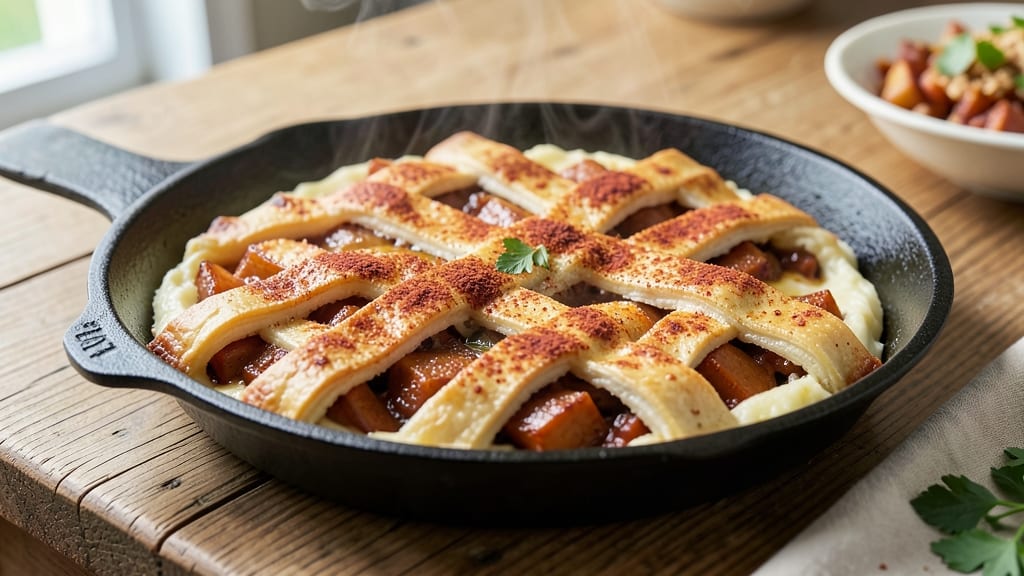
Alcenia's sweet potato cobbler recipe transforms humble ingredients into a dessert that feels like a warm hug on a chilly evening. The secret lies in the perfect balance between a buttery, lattice-topped crust and a spiced sweet potato filling that's just tender enough to create that signature gooey texture.
I've baked this version countless times for family gatherings, and it never fails to disappear faster than the whipped cream on top.
The beauty of this recipe is its simplicity—just a handful of pantry staples come together to create something restaurant-quality. You'll start with roasted sweet potatoes that caramelize beautifully, then layer them with a cinnamon-sugar mixture before topping with a flaky, golden-brown biscuit crust.
The lattice pattern isn't just decorative; it creates those crispy pockets that make every bite irresistible.
What you'll end up with is a cobbler that's perfectly balanced—tender sweet potatoes infused with warm spices, a buttery crust that's crisp yet tender, and just enough gooeyness to make it impossible to resist.
The aroma alone will have everyone gathering around the table, and the first bite delivers that perfect combination of sweet, spiced, and buttery.
This recipe scales beautifully, whether you're serving a crowd or saving leftovers for breakfast. The lattice crust technique might sound intimidating, but I'll walk you through it step by step—it's easier than it looks and makes all the difference.
Let's get started on creating this comforting classic that's become a family favorite.
Ingredients for alcenia's sweet potato cobbler
Sweet potatoes, cinnamon, and buttery crust—just 13 ingredients for dessert that feels like a hug.
| Ingredient | Amount | Notes |
|---|---|---|
| Large Sweet Potatoes 🍠 | 3 whole | Medium-sized, peeled and cubed |
| Unsalted Butter 🧈 | ¾ cup | Cold, cubed for crust |
| All-Purpose Flour 🌾 | 2 ½ cups | Sifted for lattice crust |
| Granulated Sugar 🍚 | 1 ½ cups | For filling and crust |
| Brown Sugar 🍚 | ½ cup | Packed, for filling |
| Ground Cinnamon 🌿 | 2 tbsp | Freshly ground preferred |
| Ground Nutmeg 🌶️ | ½ tsp | Freshly grated for warmth |
| Salt 🧂 | 1 tsp | Kosher or sea salt |
| Large Eggs 🥚 | 2 whole | Room temperature |
| Milk 🥛 | ½ cup | Whole milk for richness |
| Vanilla Extract 🍯 | 1 tsp | Pure vanilla preferred |
| Heavy Whipping Cream 🥛 | ½ cup | For topping, lightly whipped |
| Powdered Sugar 🍚 | ¼ cup | For dusting whipped cream |
Sweet potatoes are the heart of this cobbler. Orange-fleshed, firm ones caramelize best—avoid those with soft spots. I always grab the organic variety at Whole Foods when I can, but regular grocery store sweet potatoes work fine too. Peeled and cubed evenly, they roast up tender and sweet. The cinnamon and nutmeg are non-negotiable for that warm spice profile—Penzeys or McCormick brands stay fresh longer. For the crust, King Arthur flour gives the best flaky texture, but any all-purpose will do. The lattice pattern might look fancy, but it's just strips of dough woven together—no special skills needed.
No vanilla extract? Vanilla bean paste works in a pinch, or even a splash of vanilla sugar. Running low on brown sugar? Lightly pack granulated sugar to mimic the texture. The whipped cream topping can be skipped if you're watching calories, but trust me, it's worth the extra few minutes. For a dairy-free version, swap the butter for vegan butter and use coconut cream instead of whipped cream. The crust can be pre-made and frozen—just thaw before baking. And if you're making this ahead, roast the sweet potatoes the day before and store them in the fridge until ready to assemble.
This cobbler reheats beautifully—just pop it in the oven at 350°F for 10 minutes. Keeps for 4-5 days in the fridge, but honestly, it disappears faster than that. The crust stays crispy if you store it covered with a clean kitchen towel. For leftovers, I like to serve it warm with a scoop of vanilla ice cream. The lattice crust technique is easier than it looks—just cut strips in the dough before baking, then weave them. Don't stress if it's not perfect; the flavor is what matters most.
Why You'll Love This Recipe
- One-Pan Magic: I swear by this recipe because it’s literally just one pan—no fussing with multiple dishes. Slice those sweet potatoes, toss them in butter and sugar, and let the oven do the rest. Honestly, I’ve made it while scrolling through my phone.
- Caramelized Bliss: That perfect balance of brown sugar and granulated sugar? It turns the sweet potatoes into something ridiculously tender with a crispy, almost candy-like crust. The butter melts into the flour topping just enough to make every bite feel like a hug.
- Weeknight Workhorse: Between us, this is my go-to when I need something hearty but doesn’t scream “holiday dessert.” Serve it warm with vanilla ice cream for dinner, or pack leftovers for lunch—it’s that versatile. (Yes, even on a Tuesday night.)
- Budget-Friendly Luxury: Sweet potatoes are cheap, flour and sugar last forever, and a stick of butter stretches far. I’ve fed six people for under $8 with this, and no one complains. That’s a win in my book—especially when it tastes like something from a bakery.
Step-by-step instructions for alcenia's sweet potato cobbler
Here's how to create that perfect balance of crisp lattice crust and gooey spiced filling.
Prepare the Sweet Potato Filling
Preheat your oven to 375°F. Peel and cube the 3 whole large sweet potatoes into ½-inch pieces. Spread them on a baking sheet and roast for 20-25 minutes until they're fork-tender with slightly caramelized edges. You want them soft enough to mash easily but still holding some shape.
While they roast, combine 1.5 cups granulated sugar, 0.5 cup packed brown sugar, 2 tablespoons ground cinnamon, 0.5 teaspoon ground nutmeg, and 1 teaspoon salt in a medium bowl. Once the sweet potatoes are done, transfer them to a large mixing bowl and mash them until smooth. Stir in the sugar mixture, 1 teaspoon vanilla extract, and 0.5 cup milk until fully incorporated. The filling should be thick but pourable.
Assemble the Lattice Crust
In a separate large bowl, whisk together 2.5 cups all-purpose flour, 0.5 cup granulated sugar (reserved from earlier), 1 teaspoon salt, and 1 tablespoon ground cinnamon. Cut in the 0.75 cup cold cubed butter using a pastry cutter or your fingers until the mixture resembles coarse crumbs with pea-sized butter pieces.
Add the 2 whole large eggs, one at a time, mixing just until combined. The dough should hold together when pressed but still be slightly crumbly. Divide the dough into two equal portions. Roll one portion into a 12x12-inch rectangle about ⅛-inch thick on a floured surface. Cut the dough into 1-inch strips, leaving a ½-inch border around the edges.
Layer and Bake the Cobbler
Pour the sweet potato filling into a 9x13-inch baking dish, spreading it evenly. Arrange the lattice strips in a crisscross pattern over the filling, leaving the ½-inch border uncovered. Roll out the second portion of dough and cut into strips as well. Weave these strips into the first layer, alternating directions to create a tight lattice pattern.
Bake in the preheated 375°F oven for 40-45 minutes until the crust is golden brown and the filling is bubbling at the edges. The center should be set but still slightly jiggly. Let the cobbler rest for 10 minutes before serving to allow the filling to thicken slightly.
Add the Whipped Cream Topping
While the cobbler bakes, whip the 0.5 cup heavy whipping cream with the 0.25 cup powdered sugar until soft peaks form. Once the cobbler comes out of the oven, let it cool for 5 minutes before spooning the whipped cream over the top. Serve warm with an extra sprinkle of cinnamon if desired.
This cobbler is best enjoyed fresh from the oven, with that perfect contrast of crisp lattice crust and warm, spiced sweet potato filling. The lattice design not only looks beautiful but also creates those delicious pockets of caramelized sweetness.
Pro Tips For Making Alcenia'S Sweet Potato Cobbler
- BOIL POTATOES UNTIL TENDER: Skip the "fork-tender" rule—aim for a knife sliding in like butter. Overcooked sweet potatoes mash into glue, and undercooked ones stay gummy under the cobbler crust. Test by piercing with a skewer: it should glide through with zero resistance. I learned this the hard way when my first batch turned out like pudding.
- USE COLD BUTTER: Cut that unsalted butter straight from the fridge and cube it before mixing with flour. Cold butter creates flaky layers in the topping that melt into crisp pockets—warm butter just dissolves into a sad, flat paste. This isn’t the prettiest method, but it’s the thing that matters most for that perfect crunch.
- DON’T PACK THE FLOUR: Measure flour by scooping and leveling—never scoop directly from the bag and never press it down. Packed flour makes the topping dense and tough. After burning three batches with a brick-like crust, I finally figured out: the recipe’s 2 cups should be light as a cloud, not heavy as a brick.
- BAKE COLD POTATOES FIRST: Roast the sweet potatoes at 400°F (200°C) for 45 minutes before mashing—no peeling needed. The skin crisps slightly and adds texture, while the flesh softens evenly. I was skeptical until I tried it: the cobbler stays moist longer, and the flavor’s deeper, like caramelized edges in every bite. Sounds weird, but it works.
Troubleshooting perfect results
Filling Too Watery
If your sweet potato filling is too thin after roasting, it's likely because the potatoes released too much moisture. To fix this, mash the roasted sweet potatoes until completely smooth, then let the mixture sit uncovered at room temperature for 10-15 minutes to evaporate excess liquid.
For next time, roast the potatoes at 400°F instead of 375°F to concentrate their natural sweetness and reduce moisture. I've found that using slightly underripe sweet potatoes (firm but not rock-hard) helps too.
Crust Not Golden
A pale crust usually means the butter wasn't cold enough when mixed into the dough. For perfect golden-brown color, chill your dough for 30 minutes before rolling and cutting strips. Brush the lattice with 1 tablespoon melted butter before baking for extra richness and color.
I also recommend baking at 375°F—higher temperatures can cause the crust to brown too quickly on the outside while staying undercooked inside.
Lattice Falling Apart
If your lattice strips collapse during baking, the dough was likely too wet. The key is to handle the dough as little as possible after mixing—just combine the ingredients until they form a crumbly mass.
Roll the dough between two sheets of parchment paper to prevent sticking, and keep it as thin as possible (⅛-inch thick). For extra stability, brush the strips with a little egg wash before weaving them together. 💡
Undercooked Center
An undercooked center happens when the filling isn't hot enough to set the crust properly. To prevent this, make sure your sweet potato filling reaches at least 160°F internal temperature before baking.
If your cobbler comes out with a soft center, tent it with foil and return to the oven at 350°F for 10-15 minutes.
For extra insurance, I sometimes sprinkle ¼ cup quick oats over the filling before adding the lattice—this helps absorb excess moisture and speeds up the cooking process.
Filling Too Dry
Overbaking is the usual culprit for dry filling. Check your cobbler at 35 minutes—it should be set but still slightly jiggly in the center. If it's already dry, try adding 1-2 tablespoons milk or orange juice to the filling before baking.
For future batches, reduce baking time by 5 minutes and cover loosely with foil after 25 minutes to trap steam. The filling should be tender but still hold its shape when served.
Sweet Potatoes Burn
Sweet potatoes burn when they're cut too small or roasted at too high a temperature. Stick to ½-inch cubes and use a parchment-lined baking sheet for even heat distribution. For extra insurance, toss the cubed potatoes with 1 teaspoon olive oil before roasting.
If they start to brown too quickly, cover the pan with foil and continue baking. I've also found that rotating the pan halfway through roasting prevents uneven browning. 🍠
Nutrition facts
Frequently asked questions
Can I make this sweet potato cobbler without a lattice crust?
If the lattice seems too tricky, try a simple biscuit topping instead. Roll out the entire dough into a ½-inch thick rectangle, cut into squares, and arrange them over the filling. For extra flakiness, brush with melted butter before baking. The flavor will still be amazing—just without the decorative pattern!
How do I store leftovers?
Store in an airtight container at room temperature for up to 2 days, or refrigerate for 4-5 days. To reheat, cover with foil and warm at 350°F for 10 minutes. The crust stays crispy if you reheat it covered, then uncover for the last 2 minutes. Leftovers taste even better the next day!
Can I use regular potatoes instead of sweet potatoes?
Not recommended! Sweet potatoes provide that natural sweetness and creamy texture that makes this cobbler special. Regular potatoes would make the filling too starchy and less flavorful. If you must substitute, try yams, but they'll have a slightly different texture. Stick with sweet potatoes for that authentic taste.
What's the secret to the perfect lattice pattern?
Keep your strips 1-inch wide and ⅛-inch thick for stability. Weave them tightly in a crisscross pattern, alternating directions with each layer. For extra security, brush the strips with egg wash before baking. The key is patience—don't rush the weaving, and leave that ½-inch border uncovered for even baking!
Is this cobbler gluten-free?
Not as written, but you can adapt it! Replace the all-purpose flour with a 1:1 gluten-free flour blend and use gluten-free oats if adding to the filling. The texture will be slightly different, but the flavor remains delicious. For the crust, add ½ teaspoon xanthan gum to help bind the dough. Always check your gluten-free ingredients first!