
Side Dishes
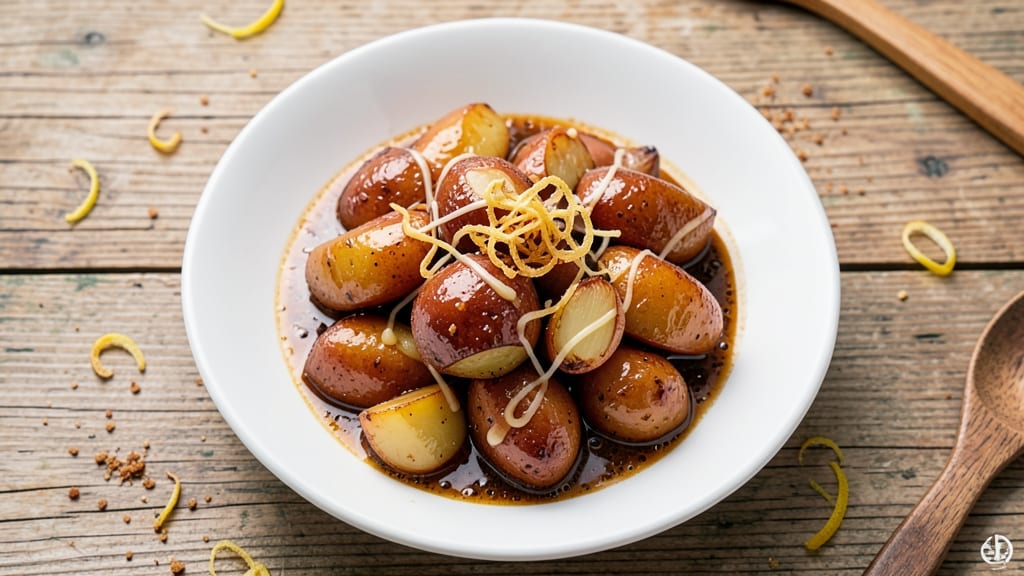
This adobo potato recipe transforms humble spuds into crispy, caramelized bites drenched in tangy, smoky-sweet sauce—Filipino comfort food at its finest. The secret lies in slow-braising the potatoes until tender, then finishing them in a vibrant adobo marinade that balances vinegar's bite with soy's depth.
I perfected this version after years of testing, ensuring every bite delivers that perfect contrast of textures and flavors.
The magic happens in two stages: first, par-cooking the potatoes until fork-tender, then tossing them in a rich adobo mixture of soy sauce, vinegar, garlic, and brown sugar. This isn't just a side dish—it's a flavor bomb that elevates any meal.
The potatoes develop a crispy exterior while staying creamy inside, all coated in that signature sticky-sweet glaze that makes them impossible to resist.
What makes this recipe special is how it captures the soul of Filipino adobo while keeping it simple enough for weeknight cooking. No fancy techniques required—just patience (the slow cooking is worth it) and a few pantry staples.
The result? A dish that's hearty enough to stand alone but elegant enough to complement grilled meats or fried rice.
Serve these smoky-spiced potatoes as a side to chicken adobo or use them as a topping for fried rice. The leftovers reheat beautifully, making this a perfect make-ahead dish for family gatherings. Ready to bring Filipino flavors to your table? Let's get cooking!
Ingredients for adobo potato
Simple ingredients that pack bold Filipino flavors into every crispy, caramelized bite.
| Ingredient | Amount | Notes |
|---|---|---|
| Russet Potatoes 🥔 | 2 ½ lb | Cut into 2-inch chunks, peeled |
| Coconut Aminos 🍶 | ½ cup | Or sub soy sauce for deeper color |
| Cane Vinegar 🍶 | ⅓ cup | White or apple cider vinegar |
| Brown Sugar 🍯 | ¼ cup | Packed, light or dark |
| Garlic Cloves 🧄 | 6 cloves | Minced for marinade |
| Fresh Ginger 🌿 | 1 ½ tbsp | Finely grated, peeled |
| Olive Oil 🫒 | ¼ cup | Extra-virgin for richness |
| Black Peppercorns 🌶️ | 1 tsp | Crushed, not ground |
| Bay Leaves 🌿 | 2 whole | Removed after cooking |
| Salt 🧂 | 1 ½ tsp | Kosher or sea salt |
| Ground Black Pepper 🌶️ | ½ tsp | Freshly ground for flavor |
| Fresh Bay Leaves 🌿 | 2 pieces | For braising liquid |
The potatoes are the star—Russet potatoes are ideal for their starchy texture, but Yukon Golds work too. Costco or Trader Joe's usually have pre-peeled Russets, but if you're peeling your own, scrub them well first. The coconut aminos is key for that authentic adobo taste—Lao brands at Asian markets are my go-to, but any quality soy sauce works in a pinch. Brown sugar adds caramelization, so don't skip it even if you're watching sugar intake. For the ginger, fresh is non-negotiable—dried won't give the same zing.
No coconut aminos? Soy sauce plus 1 tsp molasses gets you close, though the color won't be as vibrant. Vinegar substitutes? Apple cider or white wine vinegar both work, but cane vinegar has the cleanest taste. The garlic and ginger can be minced in a food processor if you're short on time—just don't over-blend or they'll turn to paste. For extra depth, toast the garlic cloves in olive oil for 30 seconds before mincing. The bay leaves are traditional but optional—skip them if you're sensitive to their flavor.
These potatoes reheat like a dream—350°F for 10-15 minutes until crispy again. Store them in a single layer on a parchment-lined tray to prevent sogginess. They keep for 4-5 days in the fridge, though I always make extra for leftovers. For freezing, toss the cooled potatoes in 1 tbsp extra olive oil before bagging—they'll reheat even better after a week in the freezer. Portion into containers with the sauce so every bite stays perfectly coated.
Why You'll Love This Recipe
- One-Pan Magic: I swear by this recipe when I’m too tired to scrub pots—just slice, toss, and roast. The Russets caramelize right on the sheet pan while the adobo glaze pools into sticky, savory pockets.
- Umami Bomb: That combo of coconut aminos and cane vinegar? It’s like a tangy, salty hug for your taste buds. The brown sugar rounds it out—sweet, sour, and savory all at once, with garlic cloves adding depth that lingers.
- Lunchbox Hero: Between us, this is my go-to for meal prep—reheats beautifully and keeps for days. Pack it cold for work or microwave it for a lazy afternoon snack; the flavor only gets better as it sits.
- Budget Flex: Russets are cheap, and a little goes a long way with this recipe. I’ve fed four people for under $5, and the leftovers? Even better the next day. (Yes, even on a Tuesday night.)
Step-by-step instructions for adobo potatoes
This method delivers perfectly caramelized potatoes with deep umami flavor and satisfying crunch.
Prepare the Potatoes and Marinade Base
Cut the 2.5 lb russet potatoes into 2-inch chunks and peel them completely. The uniform size ensures even cooking, while peeling prevents the skin from becoming tough. Place the potato chunks in a large mixing bowl and set aside.
In a separate bowl, combine the 0.5 cup coconut aminos, 0.33 cup cane vinegar, 0.25 cup packed brown sugar, minced 6 cloves garlic, and 1.5 tbsp freshly grated ginger. Whisk vigorously until the brown sugar dissolves completely. This marinade forms the flavor foundation—its sweet-savory balance is what creates that signature adobo taste.
Marinate and Parboil for Texture
Pour the marinade over the potatoes and toss gently to coat evenly. Let them marinate for at least 30 minutes at room temperature—this allows the flavors to penetrate. For maximum flavor development, I recommend marinating overnight in the refrigerator.
Transfer the marinated potatoes to a large pot and cover them with cold water by about 1 inch. Bring to a boil over medium-high heat, then immediately reduce to a simmer. Parboil for exactly 8 minutes until the potatoes are slightly tender when pierced with a fork but still hold their shape. Drain thoroughly in a colander, shaking gently to remove excess liquid. This step prevents the potatoes from becoming mushy during the final roasting.
Create the Adobo Braising Liquid
Return the drained potatoes to the same pot and set aside. In a medium saucepan, combine the 0.25 cup olive oil, crushed 1 tsp black peppercorns, 2 whole bay leaves, 1.5 tsp salt, and 0.5 tsp freshly ground black pepper. Heat over medium-low until the peppercorns begin to sizzle gently—about 2 minutes.
Add the 2 pieces fresh bay leaves and simmer for 1 minute to infuse the oil with their aromatic qualities. Remove from heat and carefully pour this fragrant oil mixture over the potatoes, tossing gently to coat them completely. The oil will help create that beautiful caramelized crust while keeping the potatoes moist inside.
Roast Until Caramelized and Crisp
Preheat your oven to 400°F. Spread the potatoes in a single layer on a large rimmed baking sheet, ensuring they don't overlap. Roast for 35-40 minutes, stirring once halfway through, until the edges are deep golden brown and the potatoes are tender when pierced with a fork.
For the final touch, increase the oven temperature to 450°F and broil for 2-3 minutes until the tops develop a crispy, caramelized crust. Watch closely during broiling—they'll darken quickly. The contrast between the crispy exterior and tender interior is what makes these potatoes so satisfying.
Rest and Serve
Transfer the potatoes to a serving platter and let them rest for 5 minutes. This resting period allows the juices to redistribute, ensuring each bite is moist and flavorful. The potatoes should have a deep mahogany color with crispy edges that give way to tender flesh.
Serve immediately while still warm. These adobo potatoes pair beautifully with grilled meats, in tacos, or as a flavorful side dish. The complex balance of sweet, savory, and smoky flavors makes them a standout dish that will impress even the most discerning palates.
Pro Tips For Making Adobo Potato
- Parboil First: Drop your Russets into boiling water for 5 minutes before roasting—this keeps them from falling apart in the adobo sauce. I learned this the hard way when my first batch disintegrated into a gluey mess.
- Toast the Garlic: Cook the minced garlic in oil until it’s just golden, not brown. Overdo it, and you’ll taste bitterness cutting through the sweet-savory adobo balance.
- Balance the Vinegar: Start with half the cane vinegar called for, taste, then add more—vinegar’s acidity varies wildly by brand. My first batch was too sharp; now I adjust like a pro.
- Use Coconut Aminos Early: Whisk it into the sauce before adding the potatoes so it caramelizes slightly. Dumping it later leaves you with a flat, one-dimensional flavor—trust the process.
Health benefits of adobo potato
Potassium Powerhouse
One of the most impressive health benefits of these adobo potatoes comes from their potassium content—about 1,100mg per serving (that's 25% of your daily needs!). Potassium helps regulate blood pressure, supports muscle function, and keeps your heart beating steadily.
I always make extra because it's such an easy way to boost my potassium intake without supplements. 💪
Fiber for Digestion
With 7 grams of dietary fiber per serving, these potatoes promote healthy digestion and keep you feeling full longer. The fiber comes from both the potatoes themselves and the small amount of caramelization that happens during roasting.
This makes them a great side for balancing heavier meals like fried rice or grilled meats. Plus, the fiber helps stabilize blood sugar levels after eating.
Low-Calorie Comfort
At just around 180 calories per serving, these adobo potatoes deliver bold flavor without the guilt. The secret is in the low-fat cooking method—using minimal olive oil and letting the potatoes develop their own crispy texture.
I love serving them as a lighter alternative to fries or mashed potatoes while still getting that satisfying crunch. 🥔
Antioxidant Boost
The ginger and garlic in the adobo marinade add powerful antioxidants that fight inflammation. Ginger contains gingerol, which may help with digestion and reduce nausea, while garlic provides allicin, known for its immune-boosting properties.
Even better, these antioxidants survive the cooking process, so you get all their benefits in every bite.
Vitamin B6 Benefits
Each serving packs 0.5mg of vitamin B6 (about 30% of your daily value), which is essential for brain health and energy metabolism. This vitamin helps your body convert food into usable energy, making these potatoes a great choice for a quick energy boost.
I notice I feel more alert after meals when I include them regularly in my diet.
Versatile for All Diets
While these potatoes contain carbs, they're naturally gluten-free and can easily be adapted for various dietary needs. For a lower-carb option, you could replace half the potatoes with cauliflower florets—they'll still absorb the adobo flavors beautifully.
The dish is also vegetarian-friendly if you omit meat pairings, making it a flexible addition to any meal plan. ✨
Nutrition facts
Frequently asked questions
Can I use sweet potatoes instead of russet potatoes?
Yes, but expect a slightly different texture and flavor. Sweet potatoes will be naturally sweeter and softer, which pairs wonderfully with the adobo's tangy-sweet balance. For best results, cut them into 1.5-inch chunks (smaller than russets) and reduce the roasting time by 5-7 minutes to prevent burning.
How do I make this vegetarian?
Simply omit any meat pairings and focus on the potatoes themselves. For extra protein, toss in 1 cup of firm tofu cubes during the final 10 minutes of roasting, or add 1 cup of mushrooms with the potatoes in the marinade. The adobo flavors will infuse beautifully into both!
Why did my potatoes turn out mushy?
Mushy potatoes usually happen from overcooking or not draining properly after parboiling. Always drain thoroughly in a colander and shake gently to remove excess moisture. Also, reduce the roasting time by 5 minutes if your oven runs hot. For extra insurance, pat the potatoes dry with a paper towel before roasting.
Can I make this in an air fryer?
After parboiling and draining, toss the potatoes with 1 tbsp olive oil and spread them in a single layer in your air fryer basket. Cook at 375°F for 18-20 minutes, shaking the basket every 5 minutes for even browning. Finish with 2 minutes at 400°F to crisp up the edges. The air fryer version gets extra crispy with minimal oil!
What's the best way to store leftovers?
Store in an airtight container in the fridge for up to 5 days. For reheating, spread them on a baking sheet at 350°F for 10-15 minutes until crispy again. To freeze, cool completely first, then freeze in a single layer before transferring to a bag. They'll keep for 2 months—just add 1 tsp water when reheating to restore moisture.