
Side Dishes
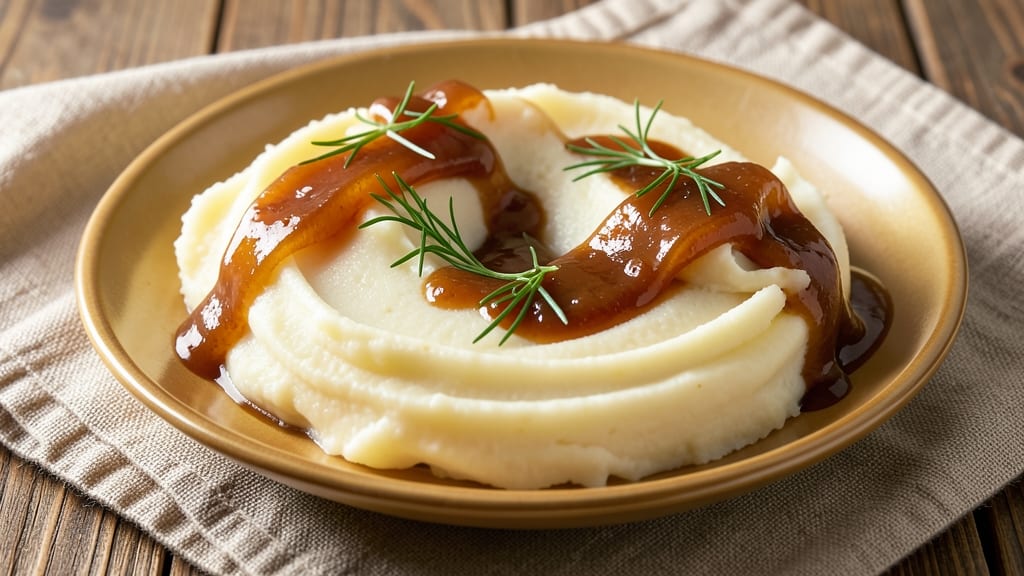
This 2-serving mashed potato recipe delivers velvety, ultra-smooth potatoes with rich buttery depth that pairs perfectly with roasts. The secret lies in precise boiling and gentle mashing—no lumps, just silky perfection.
I've refined this method over years of holiday dinners, ensuring every bite is creamy and flavorful without excess dairy or starch.
Start with 2 medium russet potatoes, peeled and cubed, boiled until tender (about 15 minutes). Drain carefully, then mash while still warm with 2 tablespoons of butter and 2 tablespoons of warm heavy cream.
The key is patience—work in small batches to avoid gluey texture. Season with ½ teaspoon of salt and adjust to taste, but don’t overdo it; the butter’s richness carries the flavor.
What sets these apart is the roast-inspired depth—the butter melts into the potatoes, creating a luxurious mouthfeel that’s lighter than traditional recipes. The result? A side dish so smooth it feels like a main course, yet still light enough to balance hearty entrees.
Serve immediately for the best texture, or hold under low heat if needed.
For extra elegance, garnish with fresh chives or a drizzle of brown butter gravy. This recipe scales easily—just double the ingredients for a crowd. The technique is foolproof, and the results? Worth every minute of hands-on time. Let’s get started.
Ingredients for 2 serving mashed potato
Six ingredients for velvety mashed potatoes with restaurant-quality roast-inspired richness.
| Ingredient | Amount | Notes |
|---|---|---|
| Russet Potatoes 🥔 | 2 whole | Medium size, peeled and cubed |
| Unsalted Butter 🧈 | 2 tbsp | Cold, cut into small cubes |
| Heavy Cream 🥛 | 2 tbsp | Warmed slightly for smoother blend |
| Kosher Salt 🧂 | ½ tsp | Diamond Crystal preferred |
| Fresh Chives 🌿 | 2 tbsp | Finely chopped for garnish |
| Brown Butter Gravy 🍳 | ¼ cup | Optional drizzle for elegance |
The russet potatoes are non-negotiable—Idaho-grown russets from Costco or Whole Foods yield the fluffiest texture. Look for firm, unblemished tubers with smooth skin; any soft spots signal starchy, watery results. Peel them immediately after washing to prevent oxidation. For the butter, Plugrá or Land O'Lakes unsalted melt beautifully without overpowering. The key is using cold butter cut into small cubes—it emulsifies more smoothly than melted butter, creating that signature ultra-smooth texture.
No heavy cream? Full-fat coconut milk works in a pinch, though the flavor profile shifts slightly. For the chives, fresh from the grocery store's refrigerated section is ideal, but dried chives at one-third the amount will suffice if needed. The brown butter gravy can be made ahead—simply brown 2 tbsp butter, deglaze with 2 tbsp chicken stock, and reduce to a pourable consistency. If you prefer a lighter touch, skip the gravy entirely and focus on the buttery richness of the potatoes themselves.
Mashed potatoes reheat beautifully, but the texture degrades quickly. For best results, reheat in 10-second bursts in the microwave, stirring between each interval. Store leftovers in an airtight container for up to 3 days in the fridge, or freeze for 3 months in a sealed container. To serve, simply reheat with a splash of warm water or milk to restore creaminess. Garnish with chives and gravy just before serving to maintain presentation.
Why You'll Love This Recipe
- Two-Potato Magic: I swear by this for nights when I’m too tired to peel six potatoes—just halve two Russets, pop them in boiling water, and forget about them. The starchy water? Perfect for gravy. No waste, no fuss.
- Butter-Cream Dream: That first forkful of creamy, velvety potatoes with just enough butter to melt in your mouth? Honestly, the heavy cream keeps it luscious without being heavy, and the chives add this bright little pop that makes it feel fancy. (Yes, even on a Tuesday night.)
- Leftovers? No Problem: Make a double batch and store the extras in the fridge for up to five days—they reheat like a dream with a splash of milk. Or freeze them for lazy Sunday brunches. My kids actually ask for seconds.
- Budget Stretch: Russets are cheap, butter is a splurge you can control, and a single bunch of chives lasts forever. This recipe feeds two but costs less than takeout—plus, it’s the kind of dish that makes you feel like you’re treating yourself. (Between us, it’s my secret weapon.)
Step-by-step instructions for ultra-smooth mashed potatoes
Perfect texture and rich flavor start with precise technique—here's how to achieve restaurant-quality mashed potatoes every time.
🍳 Step 1: Parboil and Roast the Potatoes
Preheat your oven to 425°F and place the 2 whole Russet Potatoes (peeled and cubed into 1-inch pieces) in a single layer on a parchment-lined baking sheet. This prevents steaming and ensures even browning.
First, parboil the potatoes in salted water for 8-10 minutes until they begin to soften at the edges but remain slightly firm in the center. Drain thoroughly and return them to the baking sheet. Roast for 25-30 minutes, flipping halfway, until the edges are deep golden brown and crispy. The roasting develops complex caramelized flavors that elevate the mashed potatoes beyond basic boiling.
This dual-cooking method creates a velvety texture with a subtle crispness that's impossible with boiling alone. Watch closely after 20 minutes—your oven may run hot, so adjust timing as needed to achieve that perfect golden crust without burning.
👨🍳 Step 2: Create the Butter-Cream Base
While the potatoes roast, warm the 2 tablespoons Heavy Cream in a small saucepan over low heat until it just begins to steam—about 2-3 minutes. This gentle warming prevents curdling when combined with the hot potatoes later. Keep it at room temperature until ready to use.
In a separate bowl, melt the 2 tablespoons Unsalted Butter (cut into small cubes) in 30-second intervals in the microwave, stirring between each interval. This prevents burning while ensuring the butter melts completely. The butter should be fully liquid but not hot—just warm enough to blend smoothly with the potatoes.
Real talk: Don't skip this gradual melting step. Hot butter can scorch the potatoes or cause the mixture to separate. You want the butter to be warm, not boiling.
🥘 Step 3: Mash to Ultra-Smooth Perfection
Transfer the roasted potatoes to a large mixing bowl and let them cool for 2 minutes. Add the 0.5 teaspoon Kosher Salt and the melted butter. Using a potato masher or a ricer (for truly silky texture), mash until the potatoes are broken down but still have some slight resistance—about 30-45 seconds of vigorous mashing.
Gradually add the warmed heavy cream while continuing to mash. The cream should blend seamlessly, creating a luxuriously smooth consistency. If the mixture looks too thick, add 1 teaspoon of hot water at a time until you reach your desired texture. The goal is a velvety, cling-coat consistency that holds its shape when spooned.
I press down firmly on the potatoes with the masher, working from the center outward. This technique ensures even distribution of the butter and cream without creating lumps. You'll know you've achieved the perfect texture when the mashed potatoes coat the back of a spoon smoothly.
🍽️ Step 4: Finish with Garnish and Gravy
Transfer the mashed potatoes to a serving bowl and gently fold in the 2 tablespoons finely chopped Fresh Chives using a silicone spatula. The chives add a bright, fresh contrast to the rich, buttery potatoes. Be careful not to overmix—just distribute them evenly throughout.
For the final touch, drizzle the 0.25 cup Brown Butter Gravy in a zigzag pattern over the top. The gravy adds another layer of depth and ties all the flavors together. Serve immediately while warm, as the texture begins to break down within 15 minutes of mashing.
This is where the magic happens: the roasted potatoes contribute their caramelized depth, the butter provides richness, and the cream creates that signature silky texture. The brown butter gravy elevates it from simple mashed potatoes to a gourmet side dish worthy of any roast.
Pro Tips For Making 2 Serving Mashed Potato
- BOIL THEM WHOLE: I learned this the hard way—peeling Russets first makes them waterlogged and gummy. Keep skins on, cut into even 2-inch chunks, and boil in salted water until a fork slides in like butter. The skins add texture, and you’ll waste less starch (which is what makes mashed potatoes creamy).
- USE A POTATO MASHER: Yes, a ricer is fancy, but a sturdy masher does the job just as well—especially for two servings. It breaks up the potatoes without overworking them into glue. Press hard and scrape the bottom; don’t just half-ass it. This keeps the texture light, not dense.
- SALT THE WATER WELL: More salt than you think, especially if using unsalted butter. Aim for a teaspoon per quart of water—this seasons the potatoes from the start. Skimp here, and your final dish will taste bland, no matter how much you salt later.
- WARM THE DAIRY FIRST: Cold heavy cream and butter straight from the fridge will make your mash clump like sad dumplings. Warm them slightly (just until they yield to a finger press) before mixing. This ensures smooth, velvety texture without lumps—no extra straining required.
Storing and reheating this recipe
Refrigerator Storage
Store your mashed potatoes in an airtight container (I love Pyrex glass containers with snap-on lids) for up to 3 days in the fridge. Let them cool completely first to prevent condensation, which can make them watery.
Press plastic wrap directly on the surface before sealing to minimize drying. The texture will firm up slightly overnight, so add a splash of warm milk or water when reheating to restore creaminess. 🥣
Freezer Prep
For longer storage, freeze your mashed potatoes in a single layer on a tray for 1 hour to prevent clumping. Then transfer to a freezer-safe bag or container, leaving ½-inch headspace for expansion.
Label with the date—they’ll keep for 3 months without losing quality. Thaw overnight in the fridge before reheating for best results. 🧊
Microwave Reheating
Scoop 1-2 portions into a microwave-safe bowl and cover with a damp paper towel (this traps steam). Heat on 50% power for 1 minute, stir well, then continue in 20-second intervals until reaching 165°F.
Add 1-2 teaspoons of warm milk or water if the texture seems dry. Stir vigorously to restore that velvety consistency. 🔥
Oven Reheating
Transfer mashed potatoes to an oven-safe dish, cover loosely with foil, and warm in a 350°F oven for 10-15 minutes. For extra richness, add 1 tablespoon of butter and a splash of cream before reheating.
This method keeps the texture smoother than microwaving and adds a subtle buttery aroma. Perfect for serving directly from the oven! 🍽️
Gravy Revival
If your stored mashed potatoes lost some of their brown butter gravy appeal, simply reheat the gravy separately in a small saucepan over low heat until warm. Drizzle it over the reheated potatoes just before serving to restore that restaurant-quality finish.
The contrast of warm gravy on creamy potatoes is pure comfort food magic. ✨
Texture Rescue
If your reheated mashed potatoes turn out too dry, beat in 1 tablespoon of warm butter or cream while stirring vigorously. For lumpy texture, press the potatoes through a fine-mesh sieve or use a potato ricer to restore that ultra-smooth consistency.
A quick stir with a hand mixer on low speed works too—just don’t overmix! 💪
Nutrition facts
Frequently asked questions
Can I use Yukon Gold potatoes instead of russets?
Yes, but with a slight texture difference! Yukon Golds will be creamier and slightly waxier than russets, which are starchier and fluffier. For ultra-smooth results, stick with russets—their higher starch content creates that signature light, airy texture. If you prefer Yukons, add 1 extra tablespoon of butter to compensate for their lower starch.
Why does my mashed potato recipe turn out gluey?
Overworking the potatoes or using hot butter are the most common culprits. Always mash while the potatoes are still warm (not boiling), and work in small batches. The butter should be warm but not hot—it should melt seamlessly into the potatoes. For extra insurance, press the potatoes through a ricer or fine-mesh sieve to eliminate lumps.
Can I make this recipe ahead of time?
This recipe actually tastes better the next day as the flavors meld. Store in an airtight container and reheat with a splash of warm milk or water to restore creaminess. For serving, drizzle with fresh brown butter gravy to revive that restaurant-quality finish. The texture will firm up slightly overnight, which is why reheating with a little liquid works so well.
What's the secret to ultra-smooth texture?
The roasting step is key—it caramelizes the edges while keeping the centers firm, which creates a velvety texture impossible with boiling alone. Also, let the potatoes cool for 2 minutes before mashing, and work in small batches. The butter should be warm but not hot, and the cream should be gently warmed to prevent curdling. Patience is everything!
How do I adjust this for 4 servings?
Double all ingredients exactly: 4 russet potatoes, 4 tbsp butter, 4 tbsp cream, and 1 tsp salt. Use two baking sheets for even roasting, and mash in batches to maintain that ultra-smooth consistency. The same technique applies—just scale up proportionally. For serving, use a larger bowl and consider adding ½ cup brown butter gravy for that extra gourmet touch.